
Best AI Fashion Model Generators Compared (2026 Guide) | Fashio AI
Compare 10+ AI fashion model generators side by side. Honest reviews, pricing breakdowns, output quality tests, and how to choose the right tool for your brand.
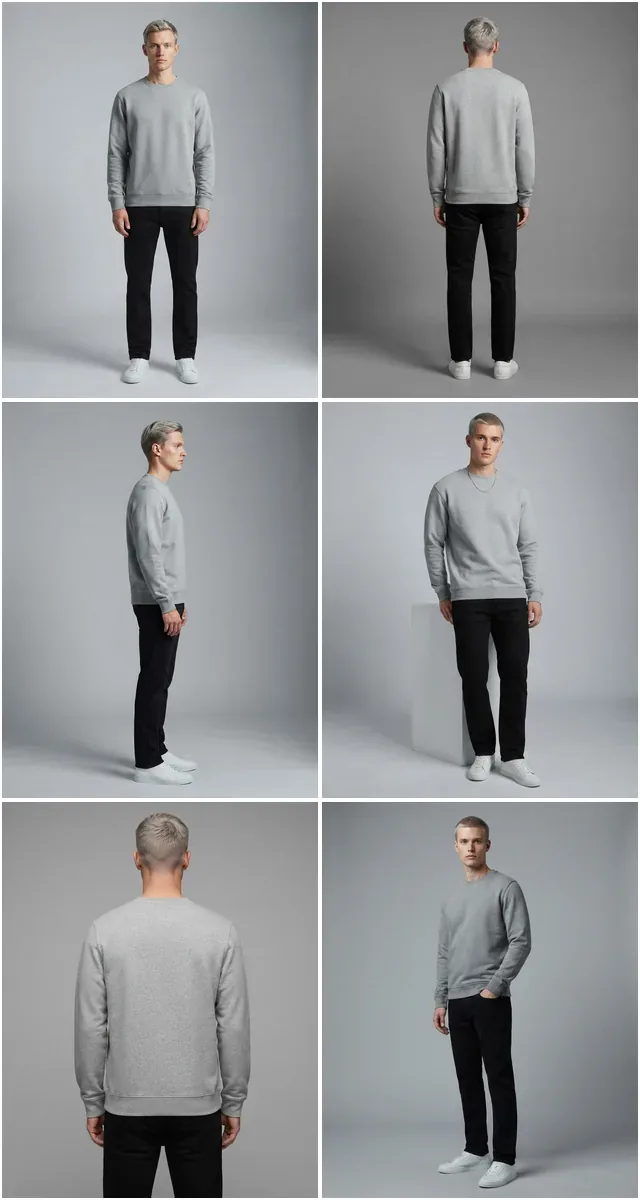
Run a complete catalog photoshoot from a single garment photo. Pick one of 55 ready-made sets — a fi...
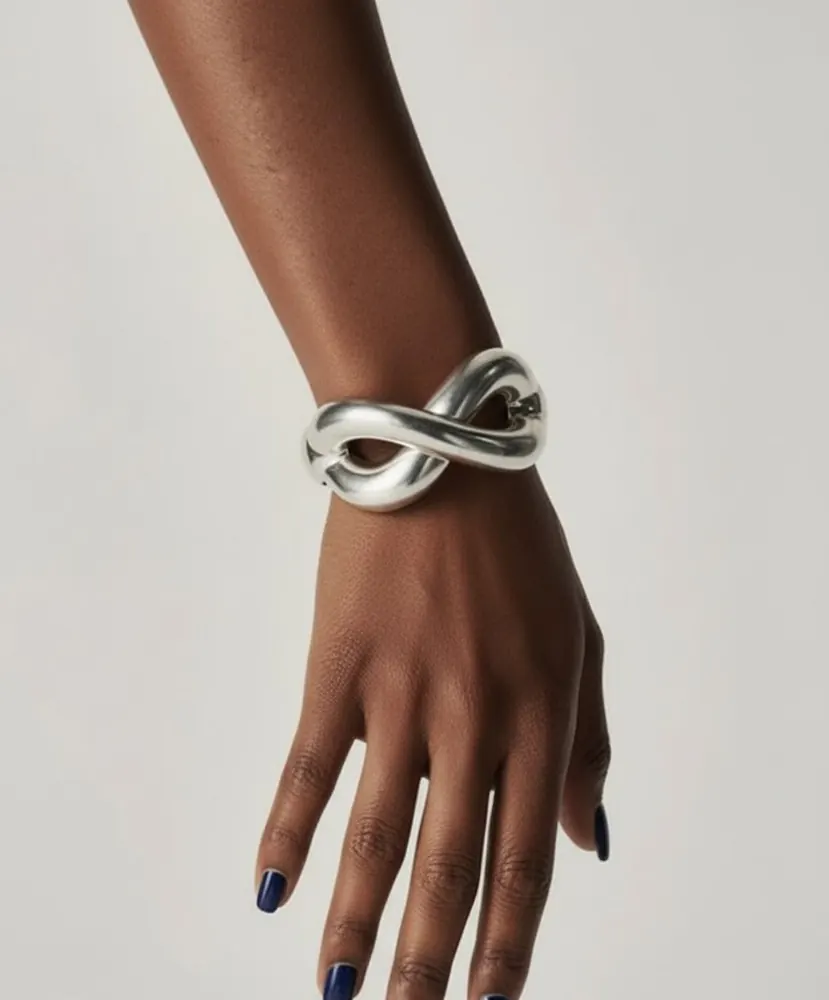
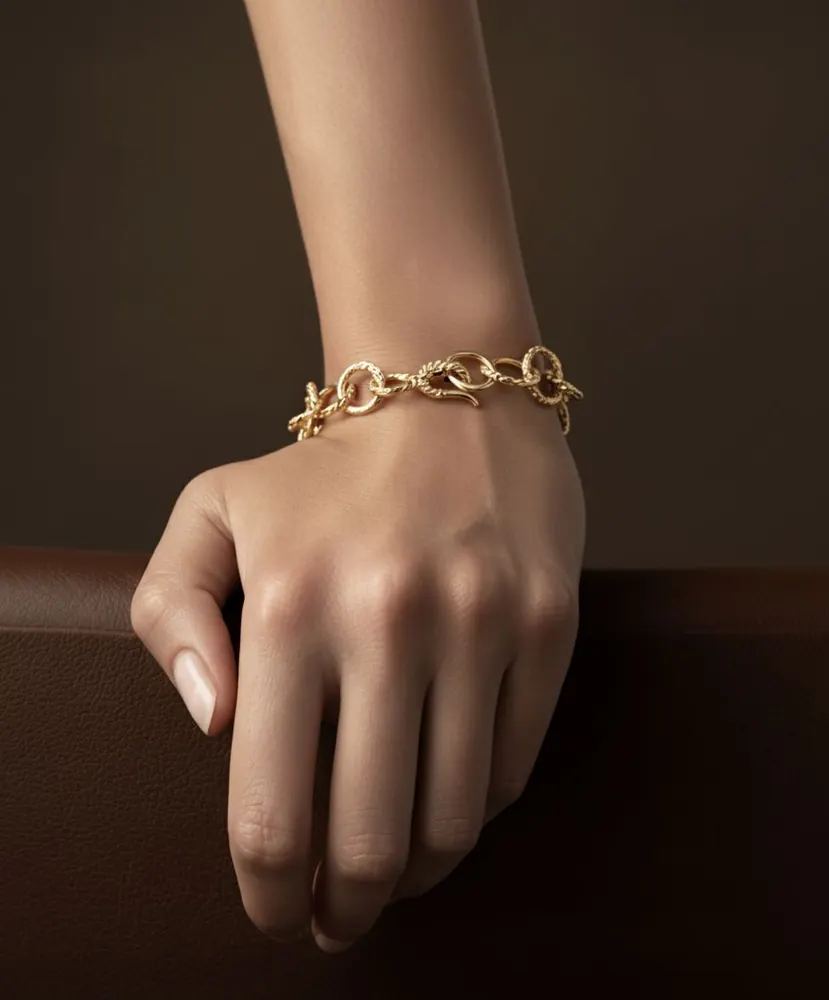

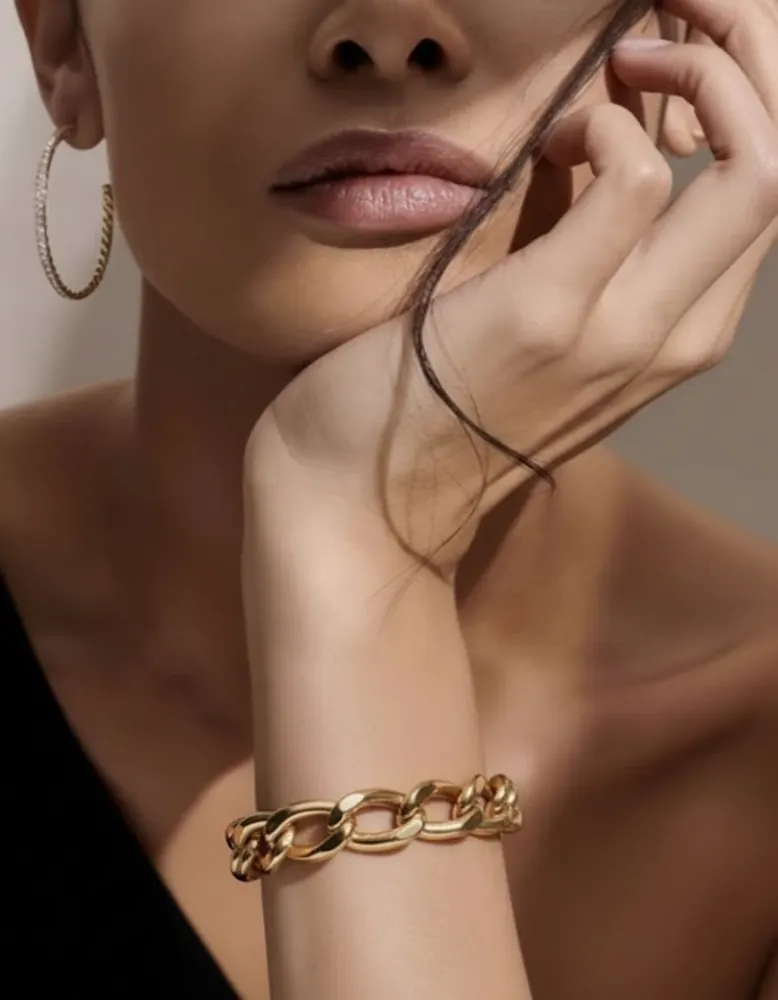
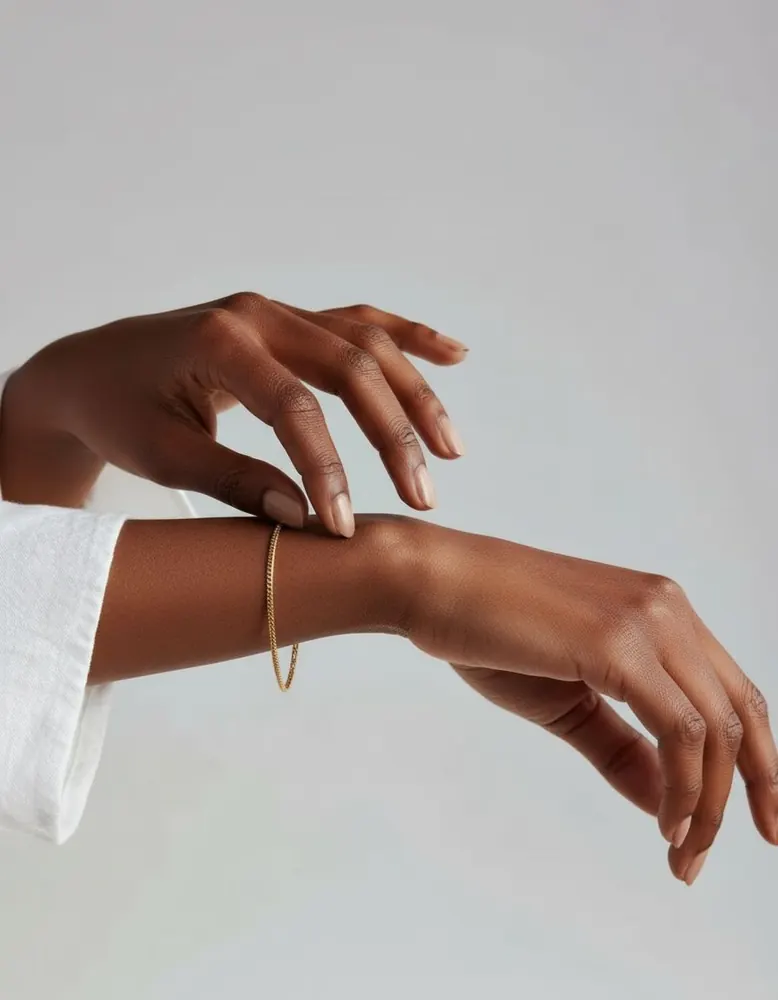
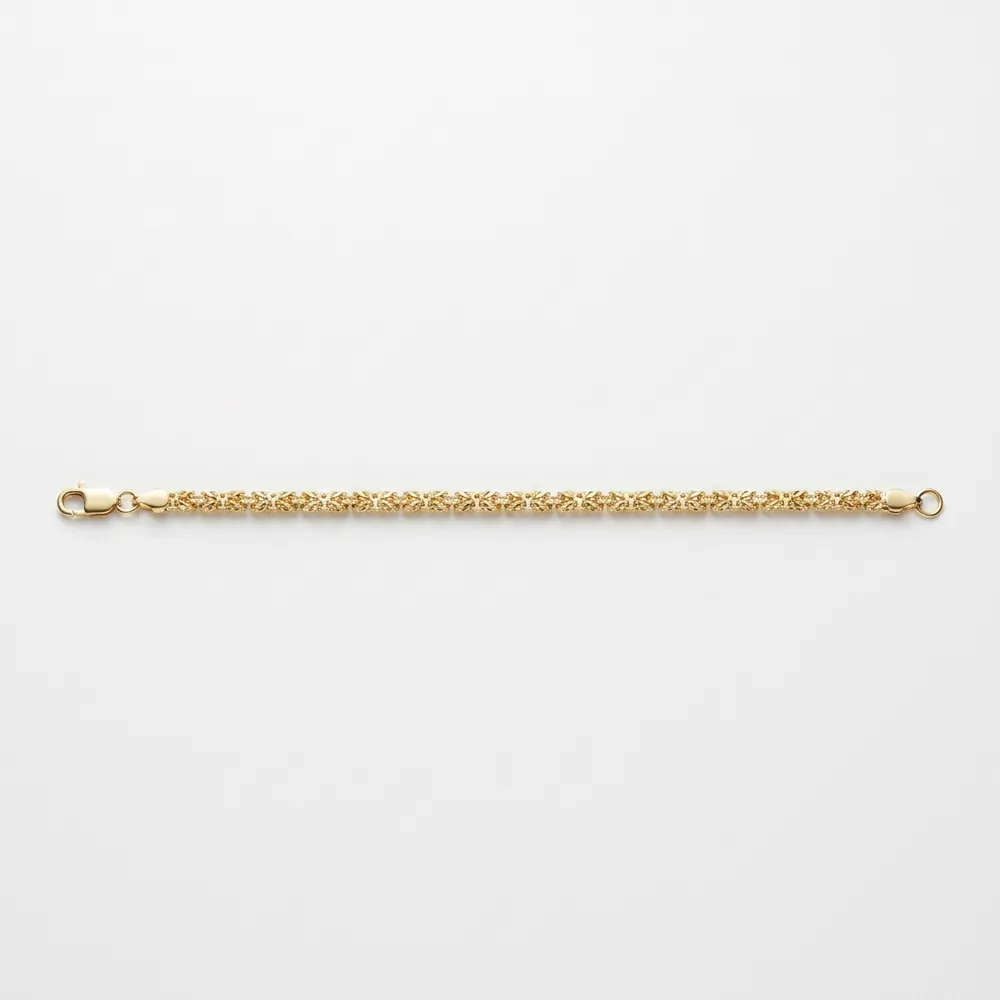
Upload the flat-lay. Get it on a wrist, where drape and fit are visible instead of guessed at.
Flat it is a circle. On a wrist it is a fit.
 Your photoFashio AI
 Your photo
 Fashio AI
 Your photo
 Fashio AI
 Your photoFashio AI
Compare 10+ AI fashion model generators side by side. Honest reviews, pricing breakdowns, output quality tests, and how to choose the right tool for your brand.
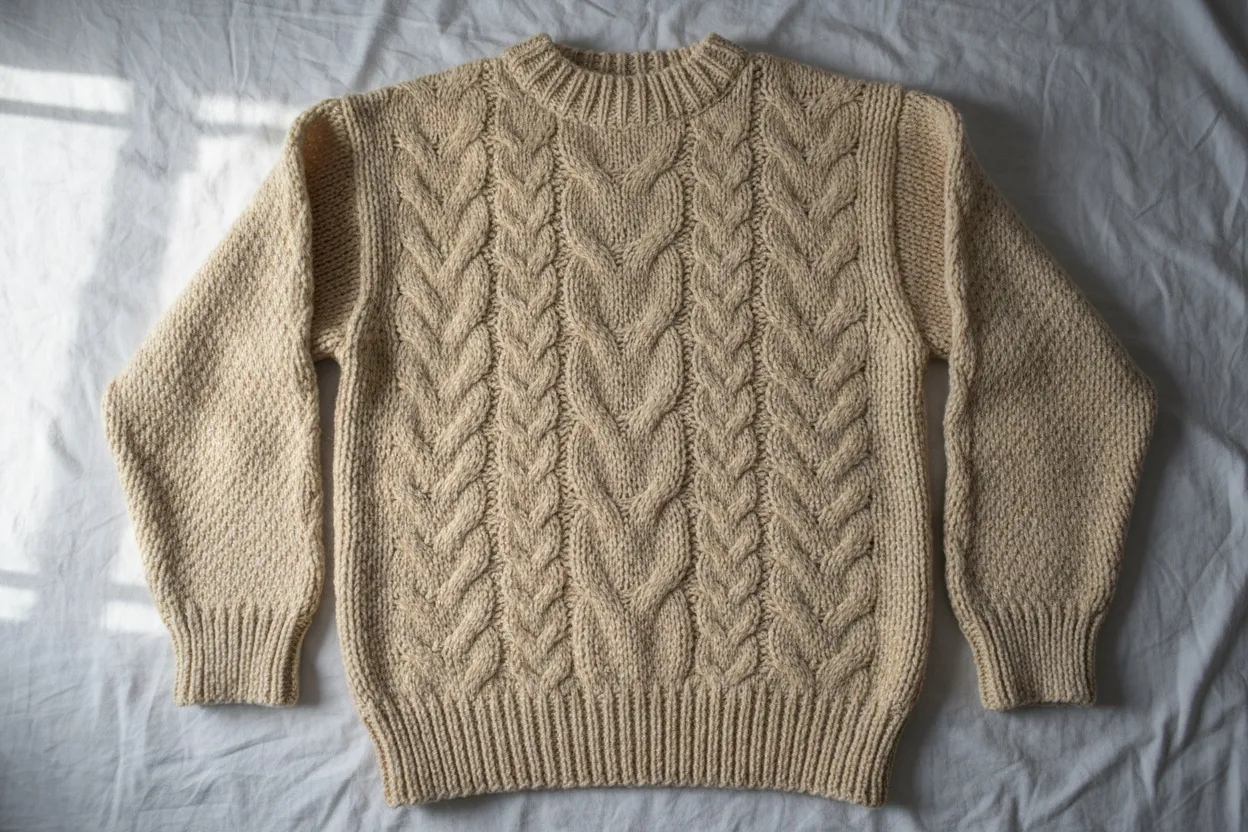
Transform flat lay product photos into professional on-model imagery with AI. Step-by-step guide covering flat lay photography tips and AI conversion tools.
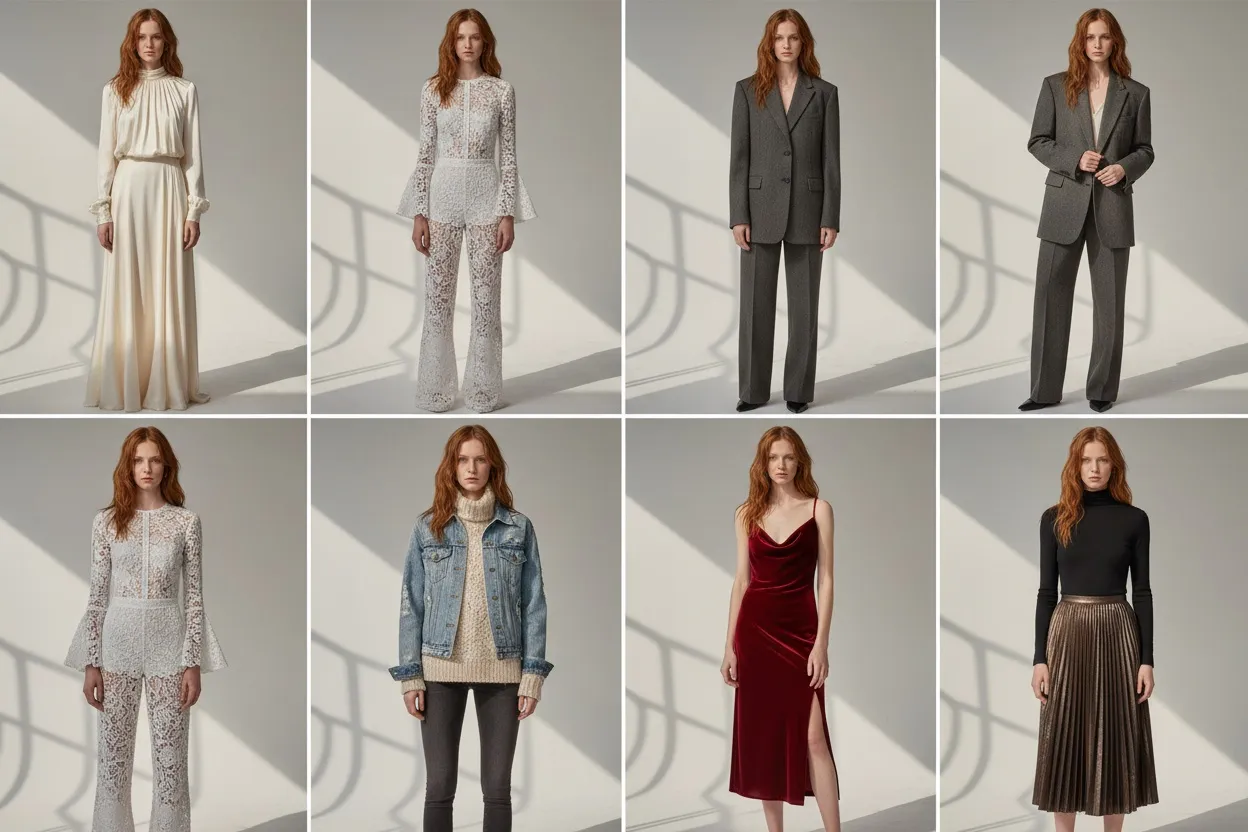
Step-by-step 2026 guide to creating photorealistic AI fashion models that stay consistent across your entire catalog — tools, prompts, and mistakes to avoid.
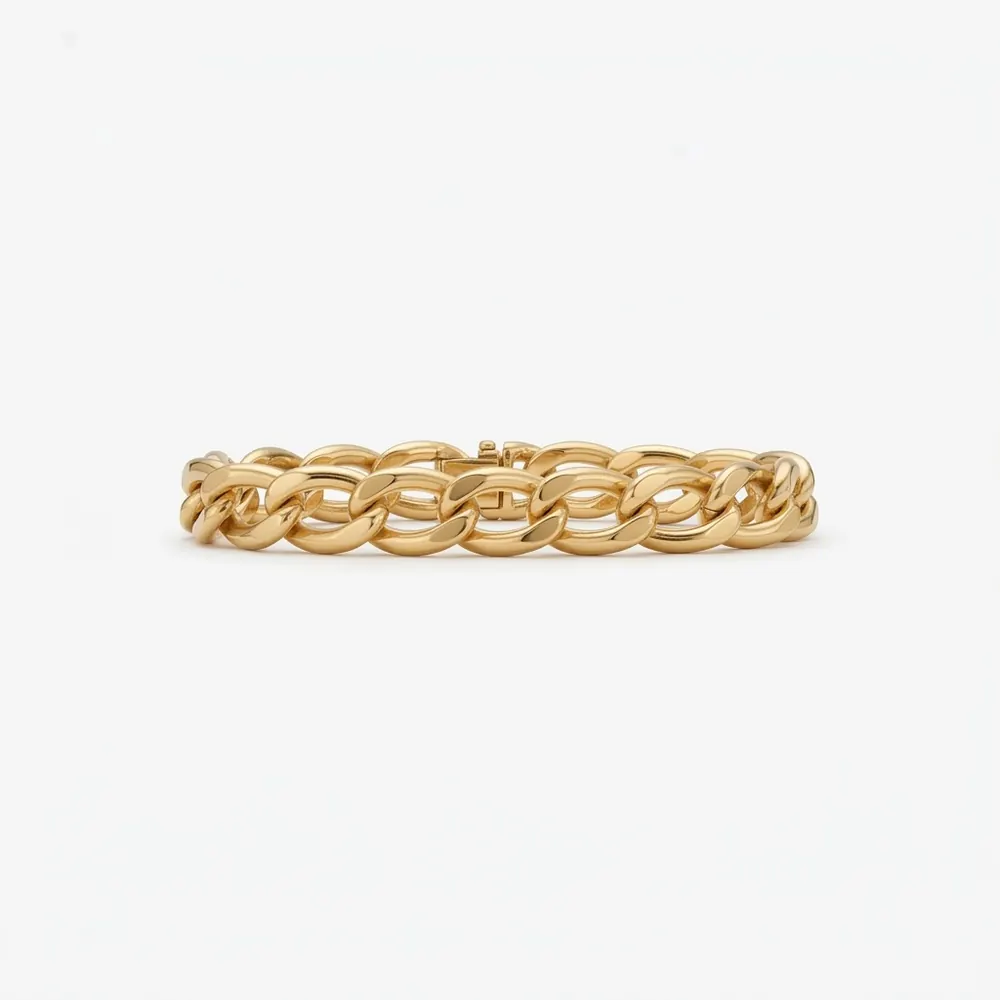
Bracelets live or die on fit. A bracelet photographed flat is a circle. Whether it drapes, whether it slides, whether a cuff gapes at the opening — none of that survives the table, and all of it is what the buyer is asking.
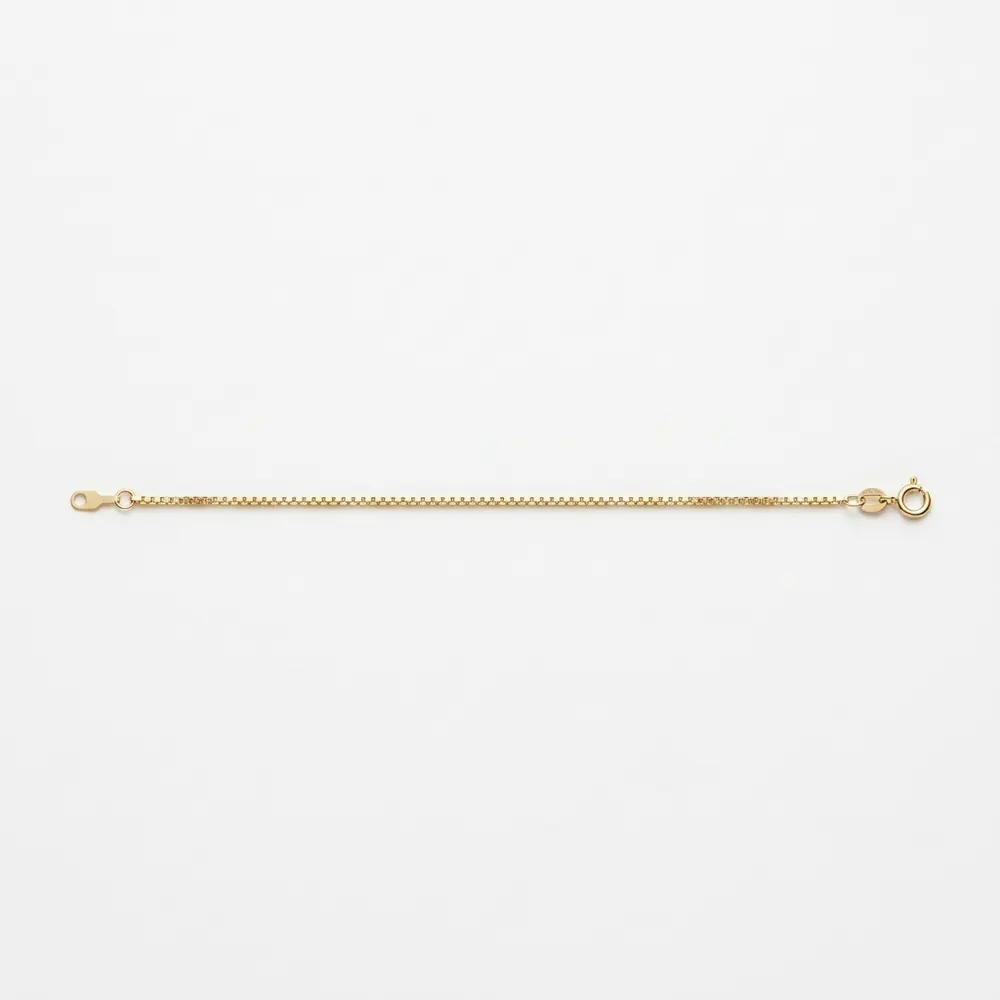
A bracelet has one dimension that matters and a flat-lay removes it. Laid out on a surface it becomes a shape: you can see the beads, the clasp and the metal, and you can see none of the behaviour.
Behaviour is the product. A chain that pools around the wrist bone and a bangle that holds a rigid circle photograph identically flat and feel like completely different purchases.
The shot here is wrist and forearm, because that is where a bracelet is looked at. It is a different crop from a necklace and a different one from a ring, and it loads automatically when you pick bracelet.
That framing exists for a reason: a bracelet in a full-body shot is a smudge, and in a décolleté crop it is not in the picture at all.
A chain that gathers and a cuff that keeps its shape are two products that look the same until they are worn. On a wrist the difference is the first thing you see — before the metal, before the stones.
If you sell both, this is the frame that stops buyers ordering the wrong one.
Most bracelet returns are fit. Too loose and it spins so the clasp faces up; too tight and it does not go on at all, which is worse.
A visible wrist gives the buyer a reference for how loosely it hangs. That does more than another row in the size table, because a size table asks the buyer to measure themselves and most of them will not.
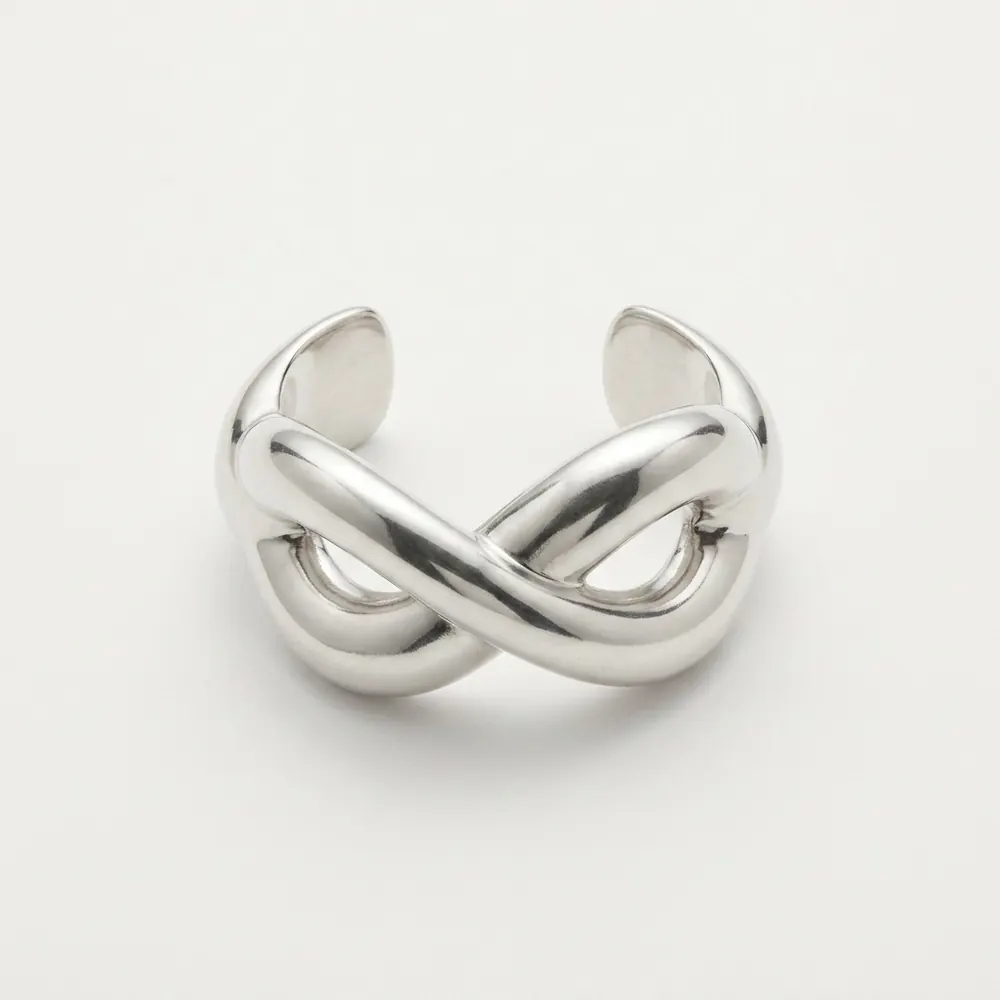
Rigid pieces have a specific failure in flat-lay: you cannot tell how much the opening gapes, or whether the gap sits under the wrist or on the side. Both matter for whether it stays on.
Photograph the cuff opening facing up and the on-model frame shows how it closes around a real wrist.
Pieces sold to be worn together need to be shown together on a wrist, where the order and the spacing are visible. A flat-lay of three bracelets is three circles; a wrist shot of three bracelets is an outfit.
The uploaded photo is transferred rather than redrawn, so freshwater pearls keep their irregularity, a smoky quartz keeps its depth and gold-fill stays warm instead of being cleaned into flat yellow. Beadwork order stays in order — which matters, because on a beaded bracelet the arrangement is the design.
92 models and 55 sets, full commercial rights on everything generated. Other pieces have their own framing: necklace, earring, ring, or start at the jewellery hub.