
Best AI Fashion Model Generators Compared (2026 Guide) | Fashio AI
Compare 10+ AI fashion model generators side by side. Honest reviews, pricing breakdowns, output quality tests, and how to choose the right tool for your brand.
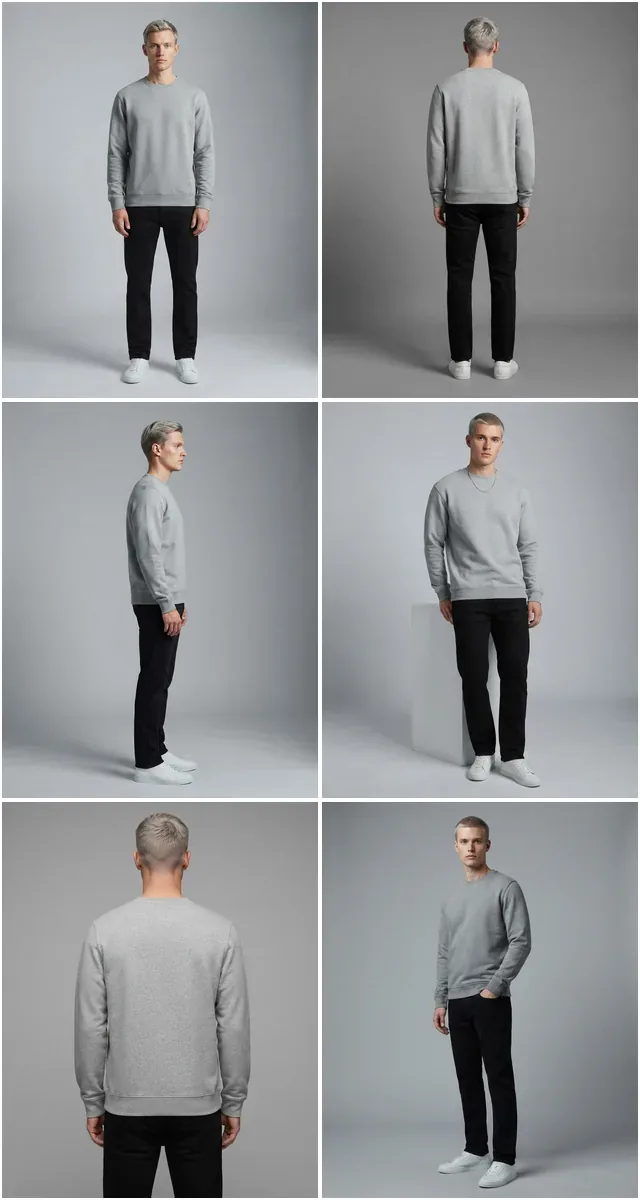
Run a complete catalog photoshoot from a single garment photo. Pick one of 55 ready-made sets — a fi...

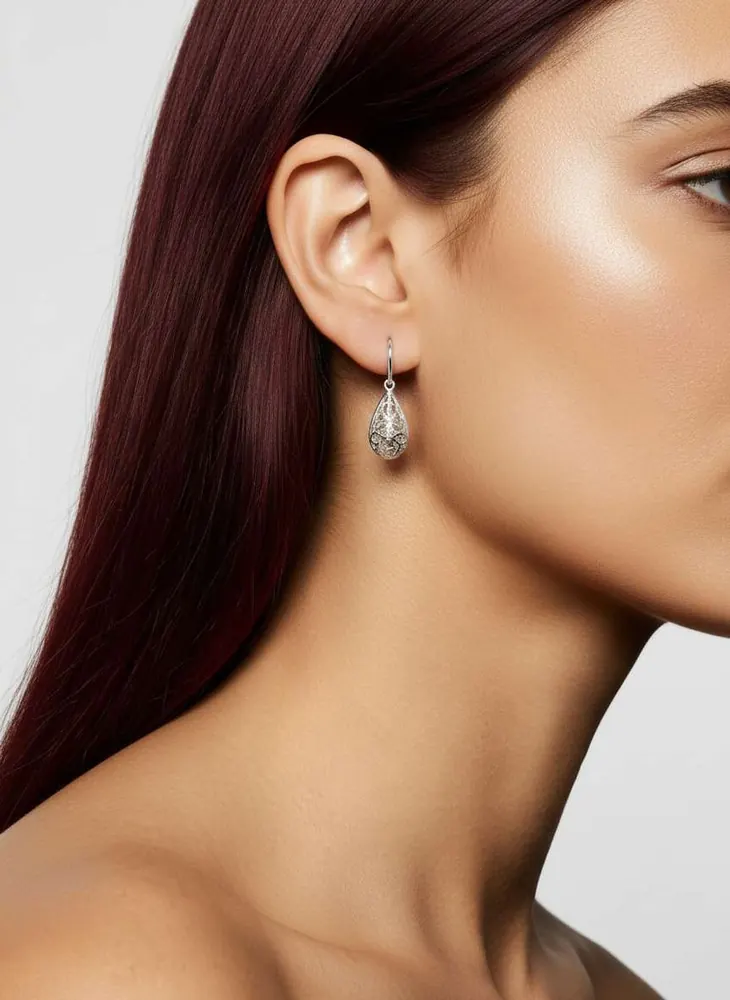
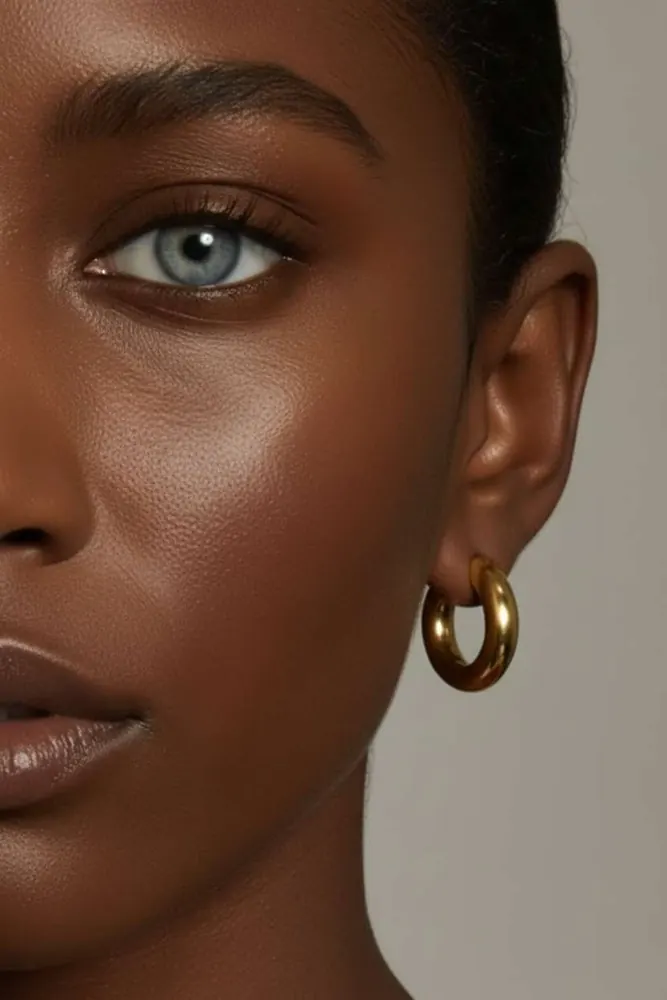
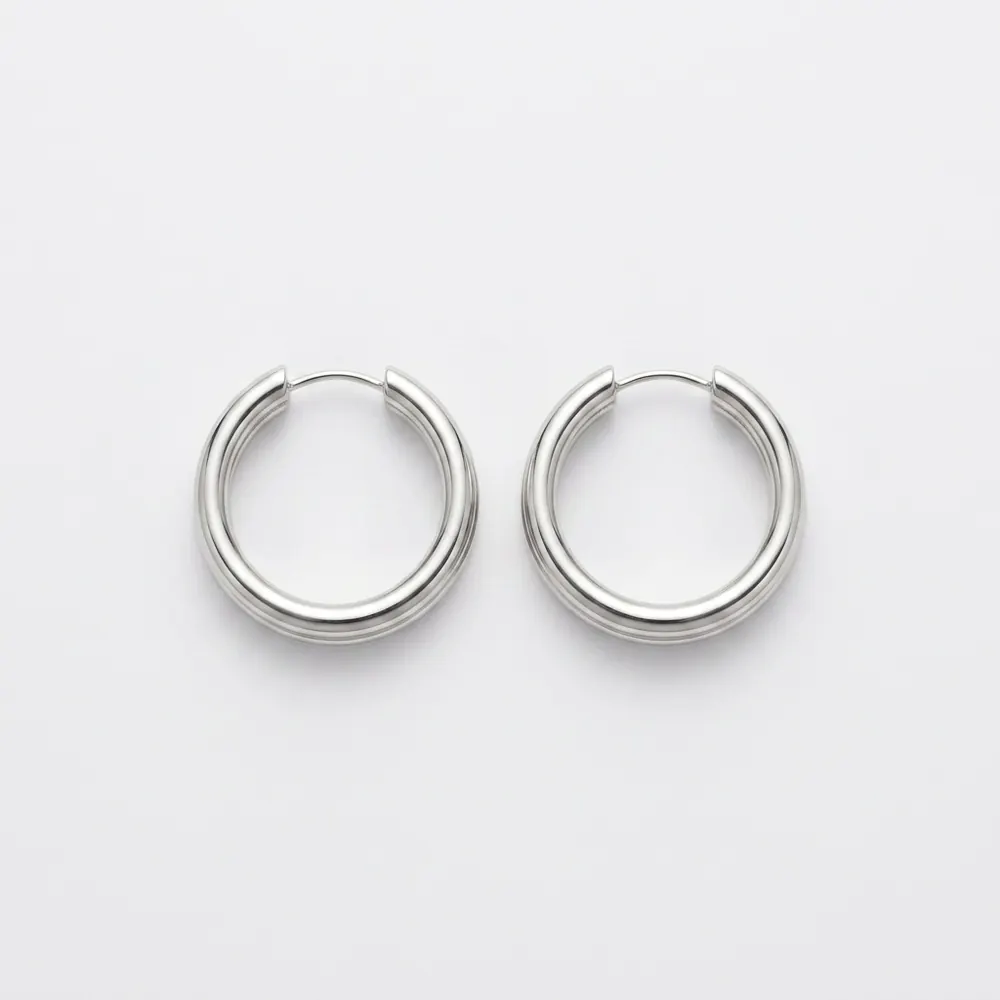
Upload the pair. Get a profile crop with the ear in frame, so the length against a jawline is obvious.
On a table it is a shape. Against a jawline it is a length.
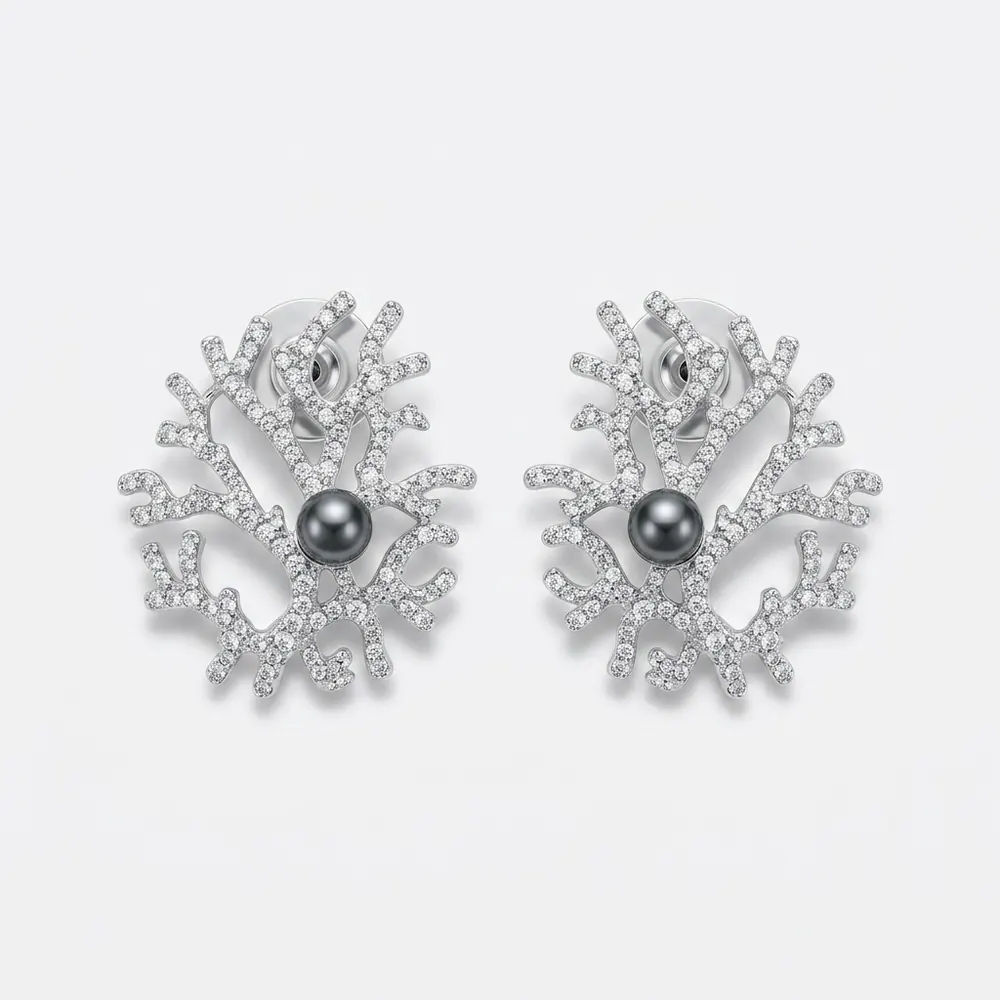 Your photoFashio AI
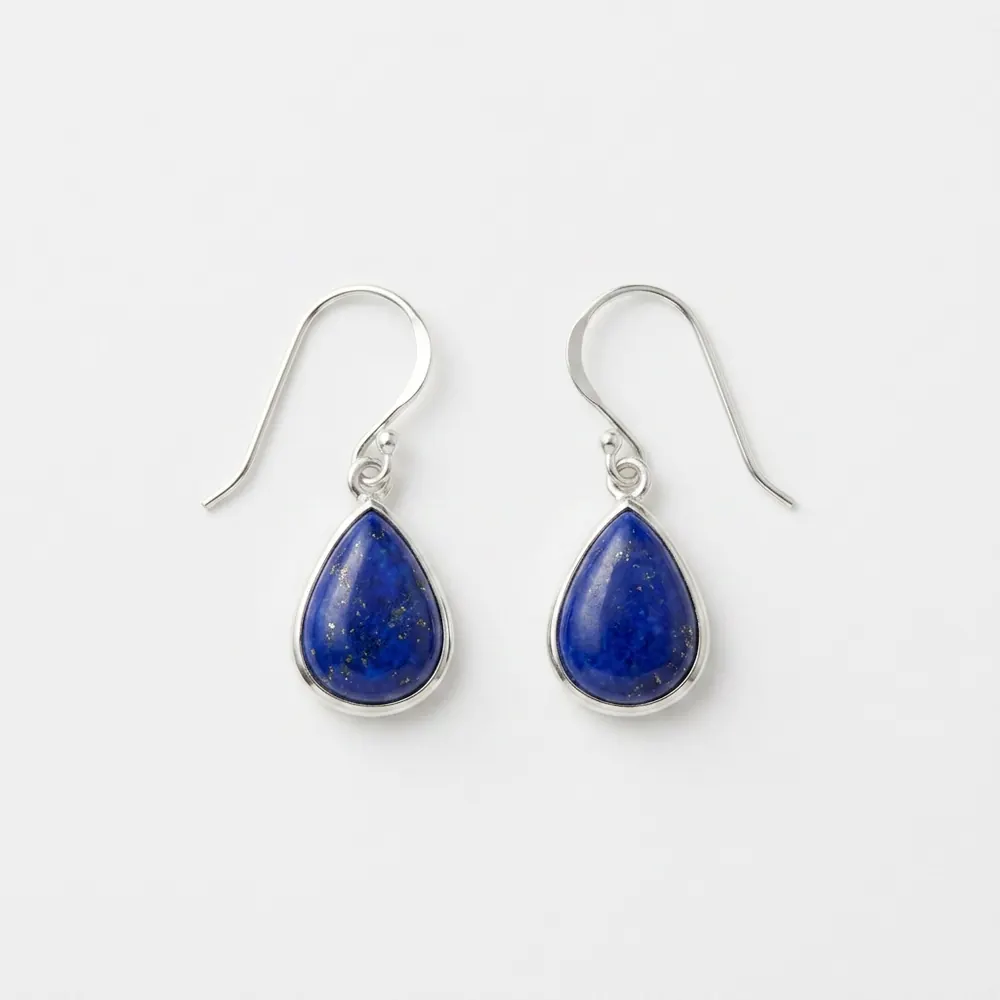 Your photo
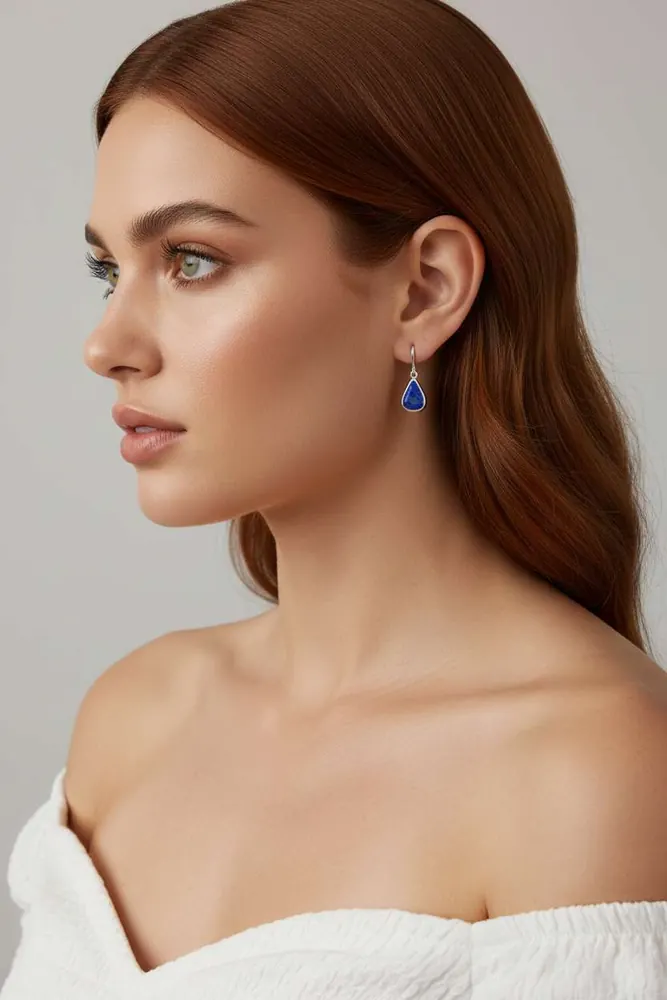 Fashio AI
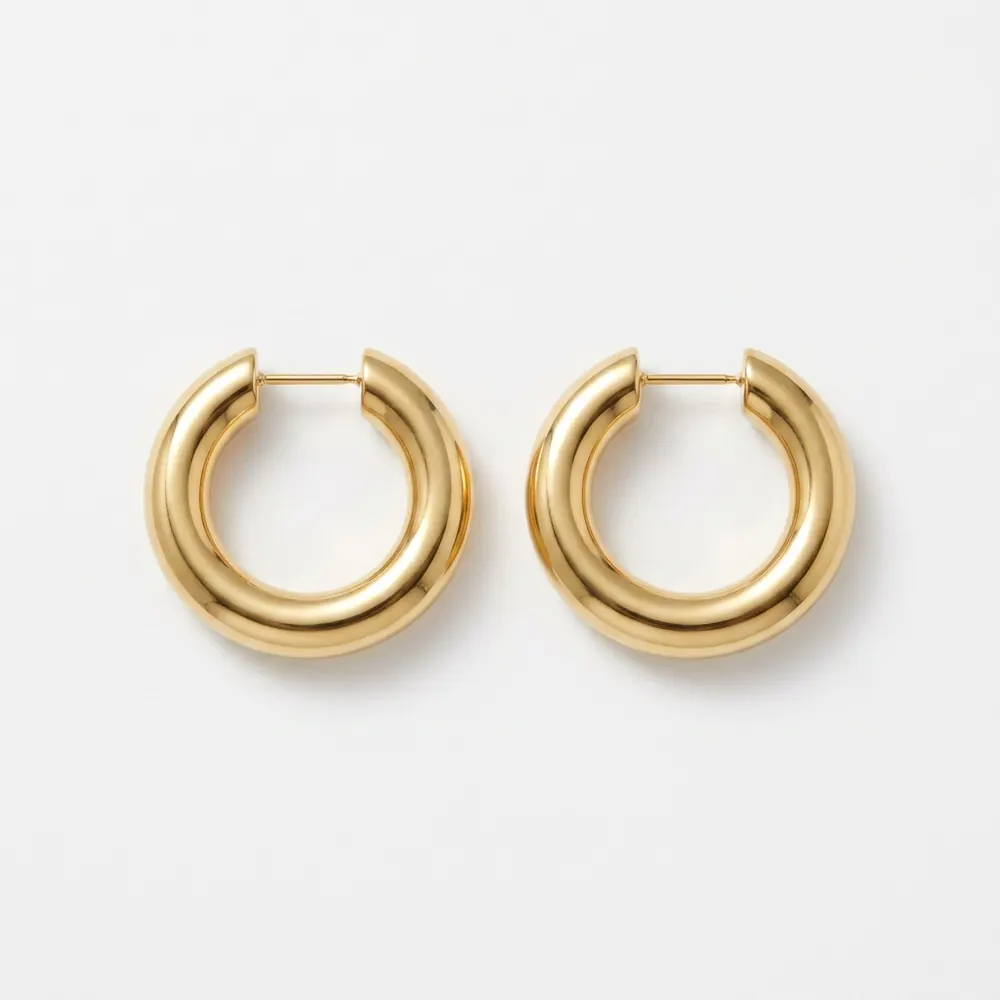 Your photoFashio AI
 Your photo
 Fashio AI
Compare 10+ AI fashion model generators side by side. Honest reviews, pricing breakdowns, output quality tests, and how to choose the right tool for your brand.
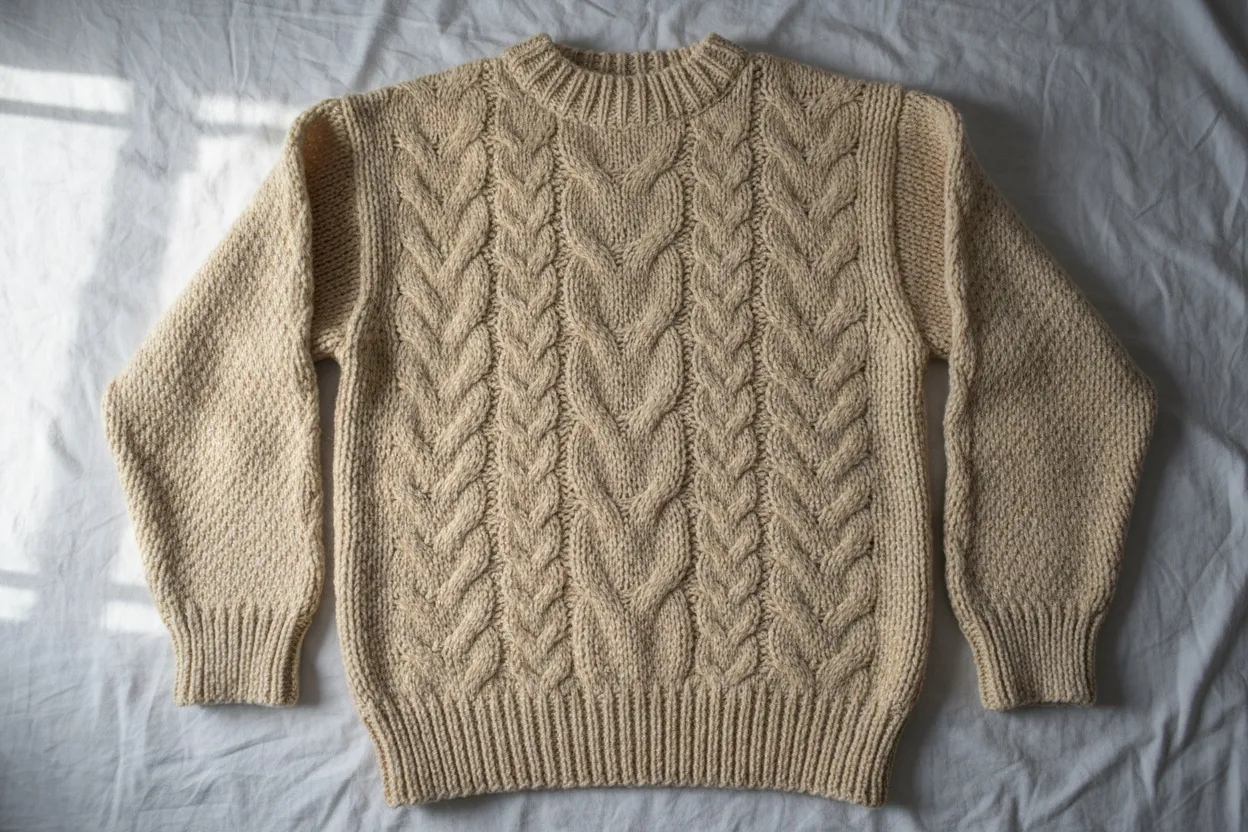
Transform flat lay product photos into professional on-model imagery with AI. Step-by-step guide covering flat lay photography tips and AI conversion tools.
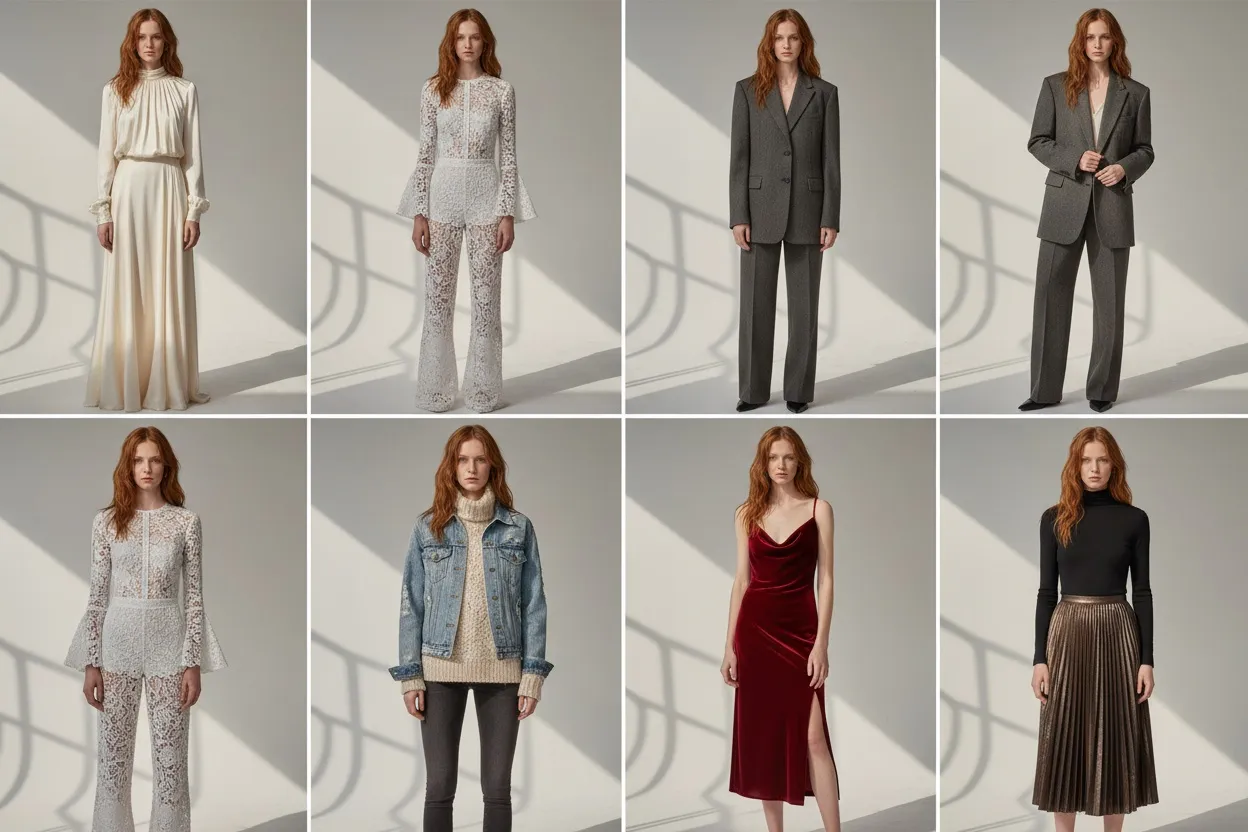
Step-by-step 2026 guide to creating photorealistic AI fashion models that stay consistent across your entire catalog — tools, prompts, and mistakes to avoid.
Earrings are bought on one question — how big is this on a face — and a flat-lay is the one photo that cannot answer it. A 4cm drop and a 7cm drop are the same photograph on a white background.
Scale is the whole category. An earring has no fixed reference: photographed alone it could be a stud or a statement piece, and a macro shot actively misleads, because a beautifully lit 6mm stone fills the frame exactly like a 20mm one.
The buyer knows this, which is why the first question in your inbox is almost always about size. A face answers it before the question is asked.
The framing is a profile or three-quarter crop with the ear in frame, not a front-facing bust. It is the angle that shows where the piece begins and where it ends, and it is the angle every earring listing that converts already uses.
That crop loads automatically when you pick earring. It is deliberately different from the décolleté a necklace gets — an earring in a bust crop is technically on-model and practically useless, because the ear is too small in frame to give a reference.
A drop that clears the jaw is a different product from one that sits above it. Same metal, same stone, different purchase.
This is the largest source of returns in the category and the cheapest to fix. One profile frame does more than another line in the description, because the buyer stops estimating and starts seeing.
It seems backwards — the smaller the piece, the more the model matters — but it holds. There is no way to communicate 4mm versus 6mm in a product shot. Both fill the frame. Both look substantial.
Against an earlobe the difference is obvious in a glance, and for a category where the two sizes are often different price points, that glance is the sale.
A threader falls the way a threader falls. A hoop sits against hair the way a hoop sits. A chandelier moves. Flat on a table, all three are shapes with the behaviour removed — and the behaviour is frequently the reason someone chooses one over another.
Upload the photo you have. A pair shot works and a single works; because the crop shows one ear, a single is often the cleaner input.
For the best result: shoot face-on rather than at a dramatic angle, keep the light even so the metal does not blow out, and use a plain background. If the earring has a front and a back worth seeing, upload the front — that is what will be worn toward camera.
The uploaded photo is transferred, so gold stays gold and rhodium stays cool rather than being reinterpreted. A pearl keeps its lustre, an opal keeps its fire, and an oxidised finish stays oxidised instead of being cleaned up into something you do not sell.
Generate twice and pick a different pose each time. The pose set loaded for earrings is built around the angles the category sells in — profile, three-quarter, head-back and hair-tucked — so two runs usually cover the listing and the ad.
92 models to choose from, full commercial rights on everything generated. Selling other pieces too? Necklace, ring and bracelet each have their own framing, or start at the jewellery hub.