
Best AI Fashion Model Generators Compared (2026 Guide) | Fashio AI
Compare 10+ AI fashion model generators side by side. Honest reviews, pricing breakdowns, output quality tests, and how to choose the right tool for your brand.
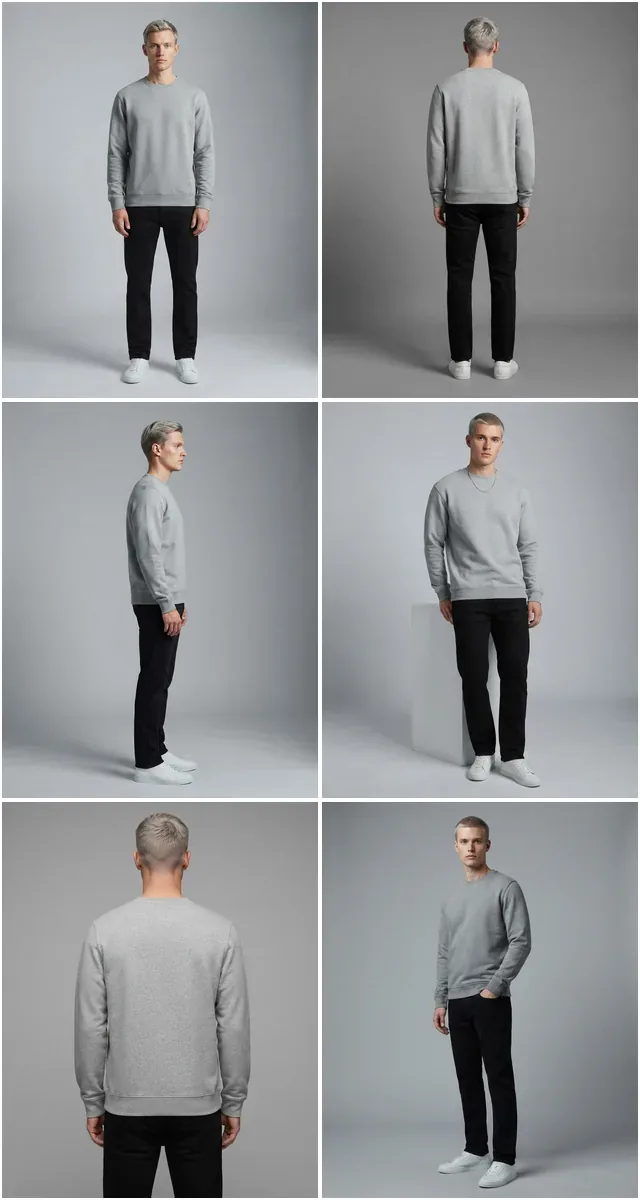
Run a complete catalog photoshoot from a single garment photo. Pick one of 55 ready-made sets — a fi...
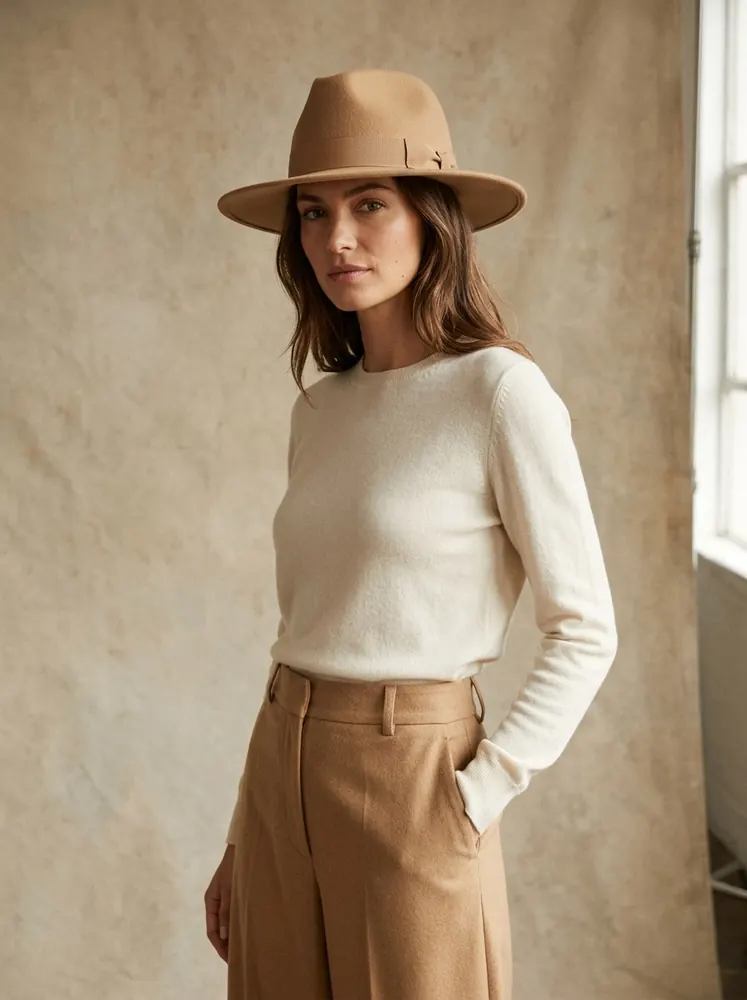
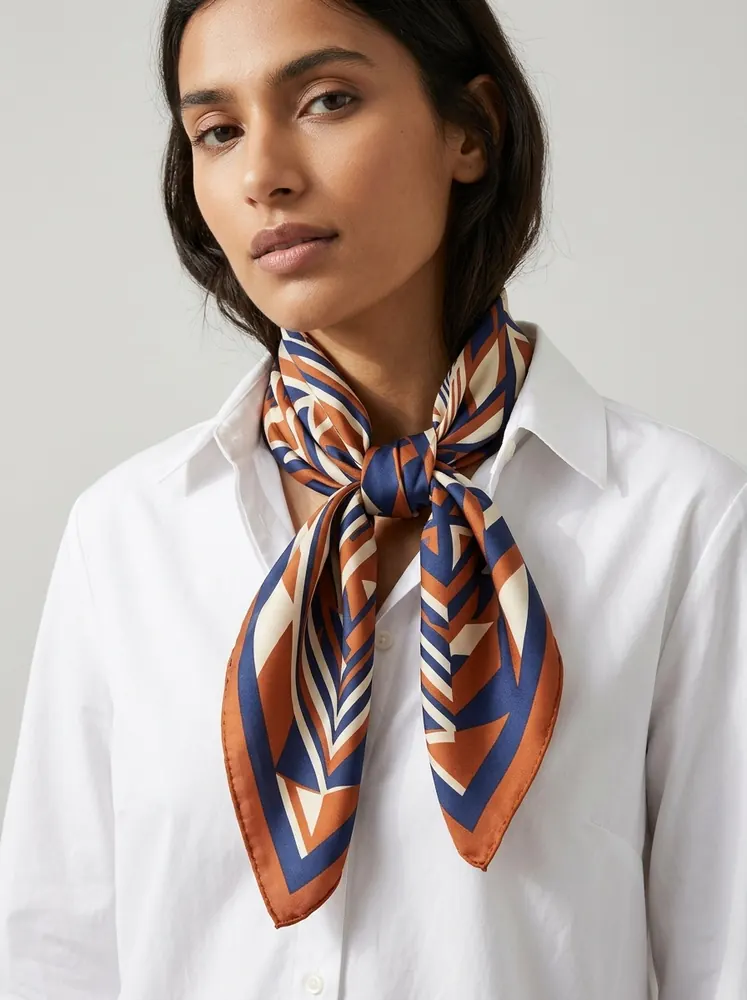
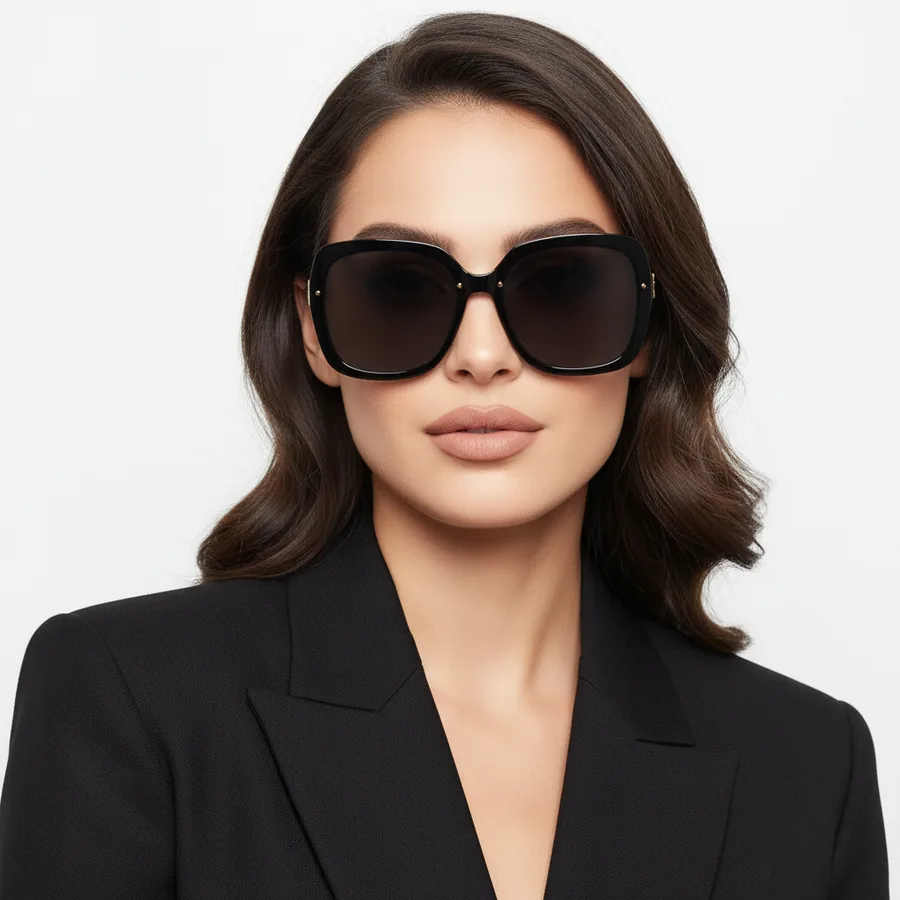
Eyewear, hats, bags and scarves — upload the product photo and get it worn instead of lying on a surface.
Eyewear, hats, bags, scarves. On a surface each is a shape; worn, each is a fit.
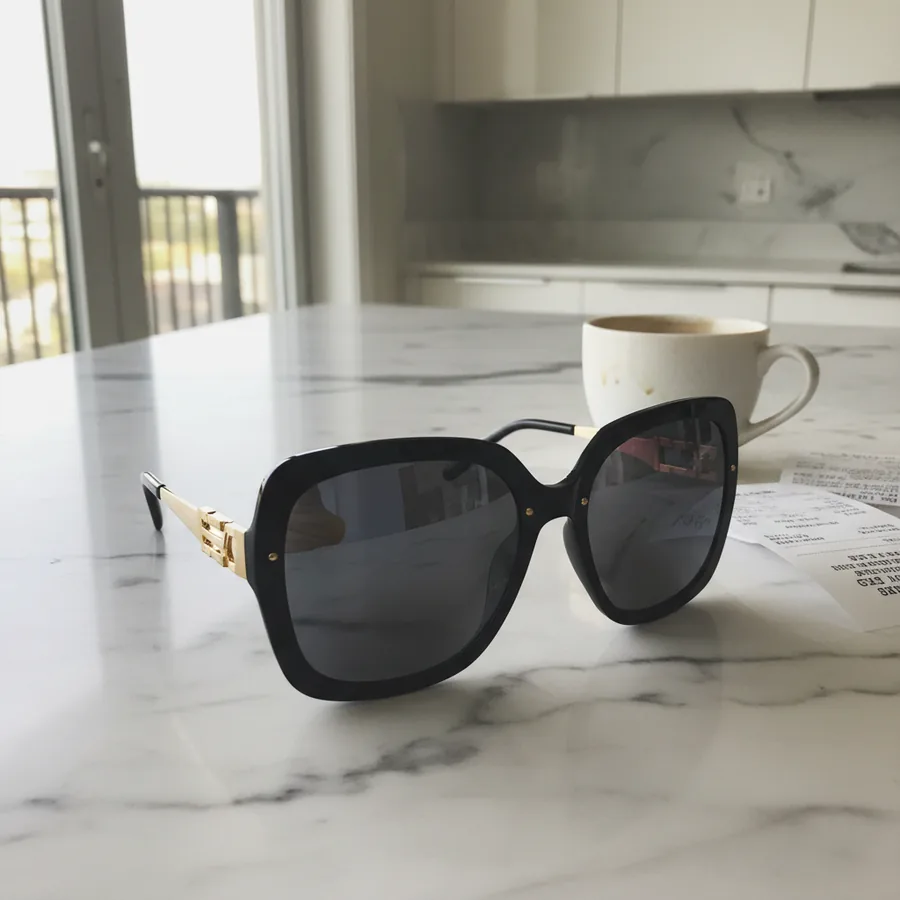 Your photoFashio AI
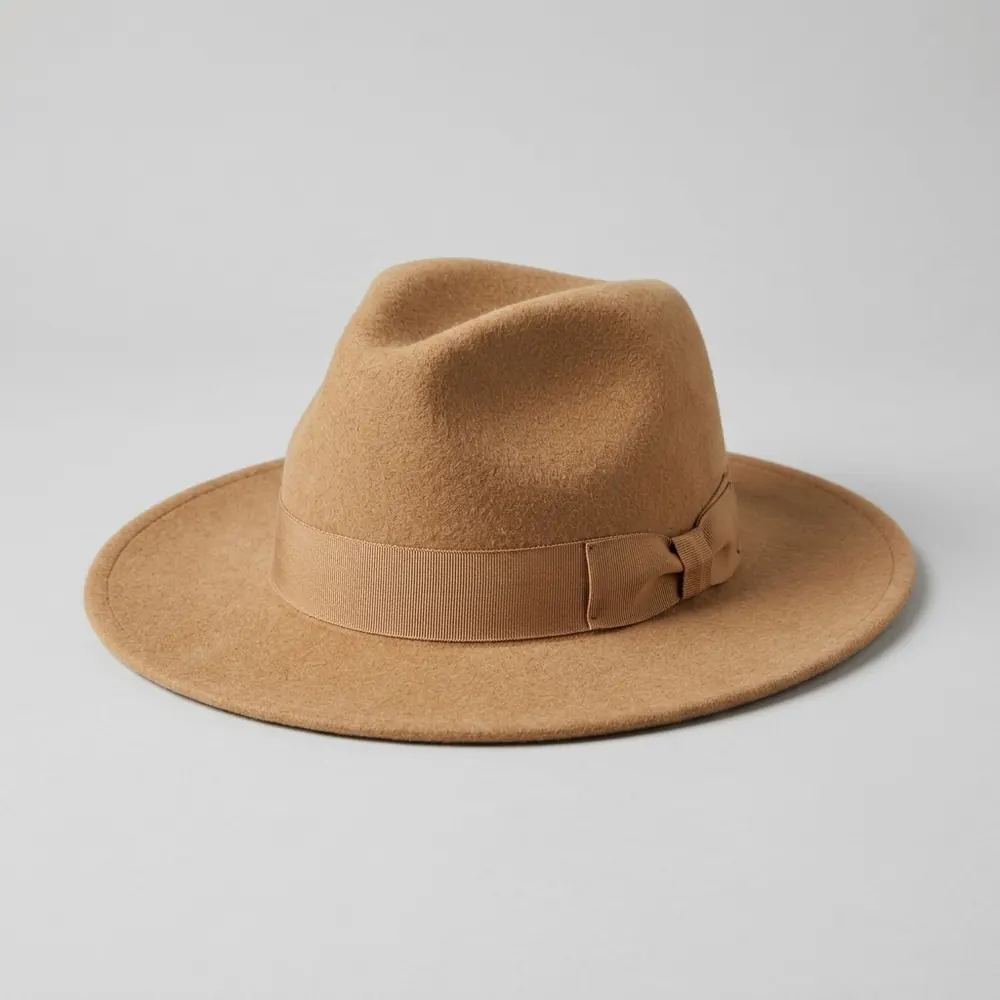 Your photoFashio AI
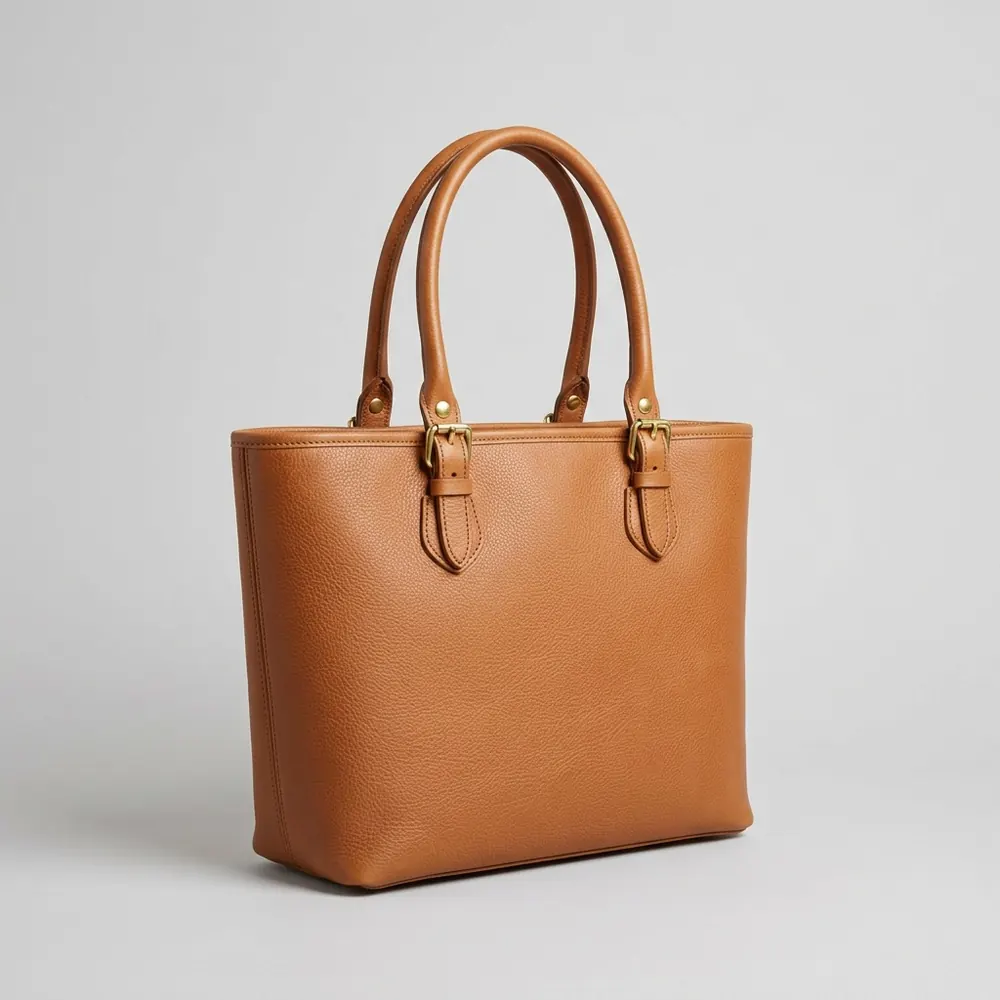 Your photo
 Fashio AI
 Your photoFashio AI
Compare 10+ AI fashion model generators side by side. Honest reviews, pricing breakdowns, output quality tests, and how to choose the right tool for your brand.
Master AI product photography for ecommerce. Compare tools, learn workflows, understand costs, and create studio-quality product images with AI.
How to shoot product photos for a Shopify store — exact image size requirements, lighting and setup, plus AI shortcuts. Complete 2026 guide for store owners.
Accessories are the category where the flat product shot fails hardest. Sunglasses on a table are a shape; on a face they are a fit. A hat crown that looks tall on a shelf looks right on a head, or does not.
Every accessory question is a proportion question. Are these frames too wide for my face. Is this crown too tall. Does this bag sit at the hip or under the arm. A surface answers none of them, and a description answers them badly, because millimetres do not convert into a mental image.
This page covers everything worn that is not jewellery. Jewellery has its own pages, because a necklace and a hat are not the same crop — start at the jewellery hub if that is what you sell.
Sunglasses and optical frames are the clearest case. Frame width, lens depth and how the temple sits against the head decide whether someone buys, and none of the three read from a packshot.
Shown worn, the frame has a face to be measured against and a buyer can tell in a glance whether it is oversized or neat. For a category where fit anxiety is most of the abandoned carts, that glance is the conversion.
A hat is bought on silhouette. Crown height, brim width and how deep it sits are all relative to a head, and a hat photographed on a stand or flat exaggerates all three.
The on-model frame also solves a subtler problem: hats look strange to shoppers when nobody is wearing them, and strange is not a state you want your hero image in.
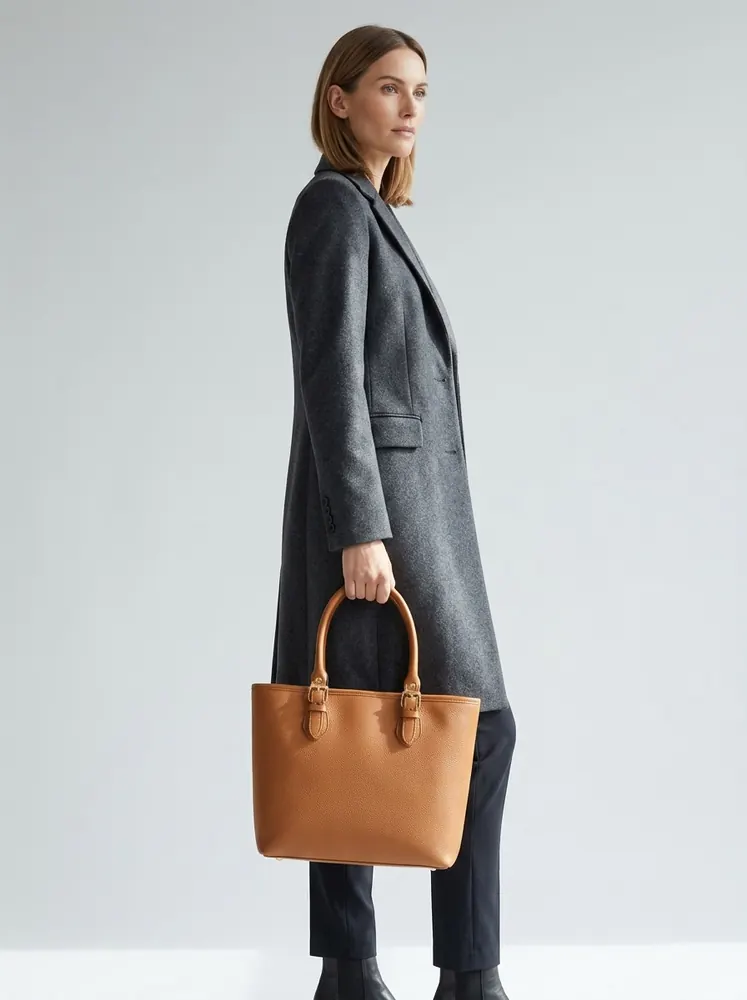
Bag dimensions are the most-ignored numbers in ecommerce. "28 × 20 × 10cm" tells almost nobody anything. Against a shoulder it is immediately either a day bag or an evening bag.
Strap drop is the second variable — the same bag at 55cm and 25cm is two different products — and it is only visible on a person.
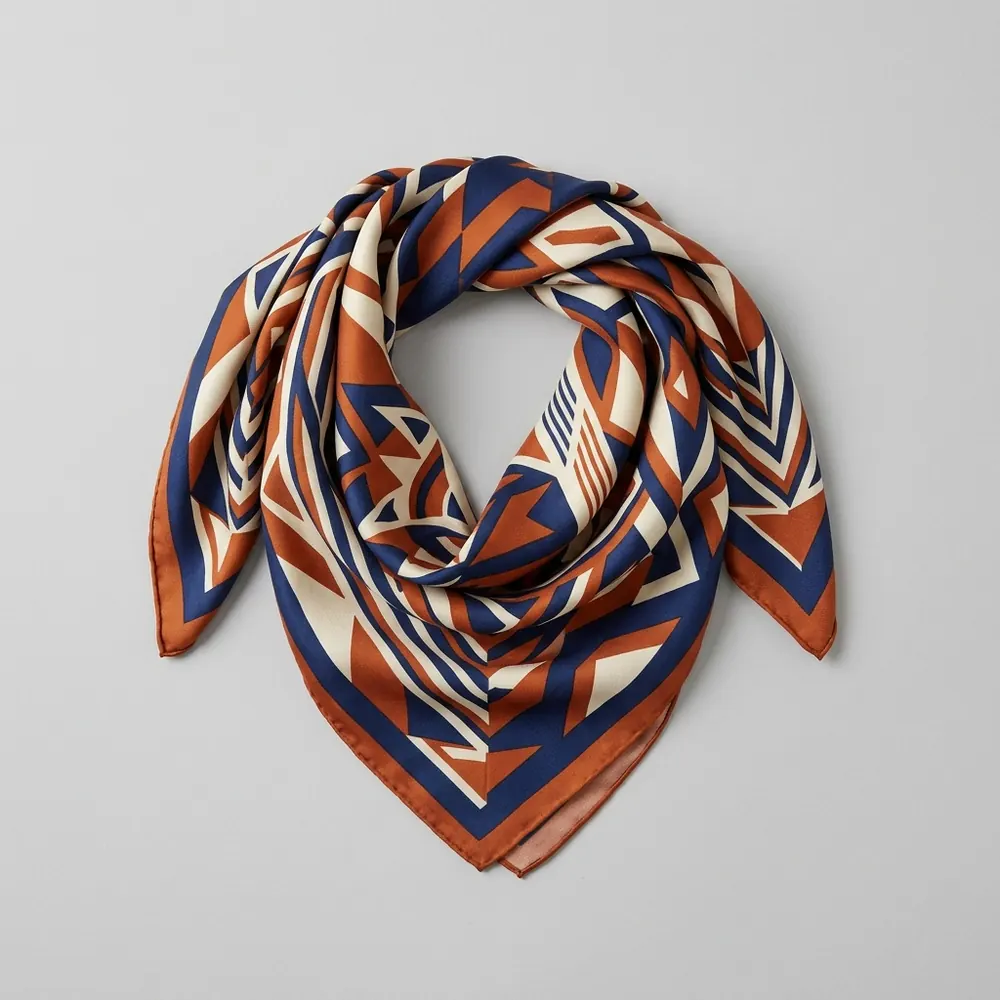
Anything worn goes through here. Scarves need drape and a body to hang from; belts need a waist to show width and buckle proportion. Both are shapes on a table and products on a person.
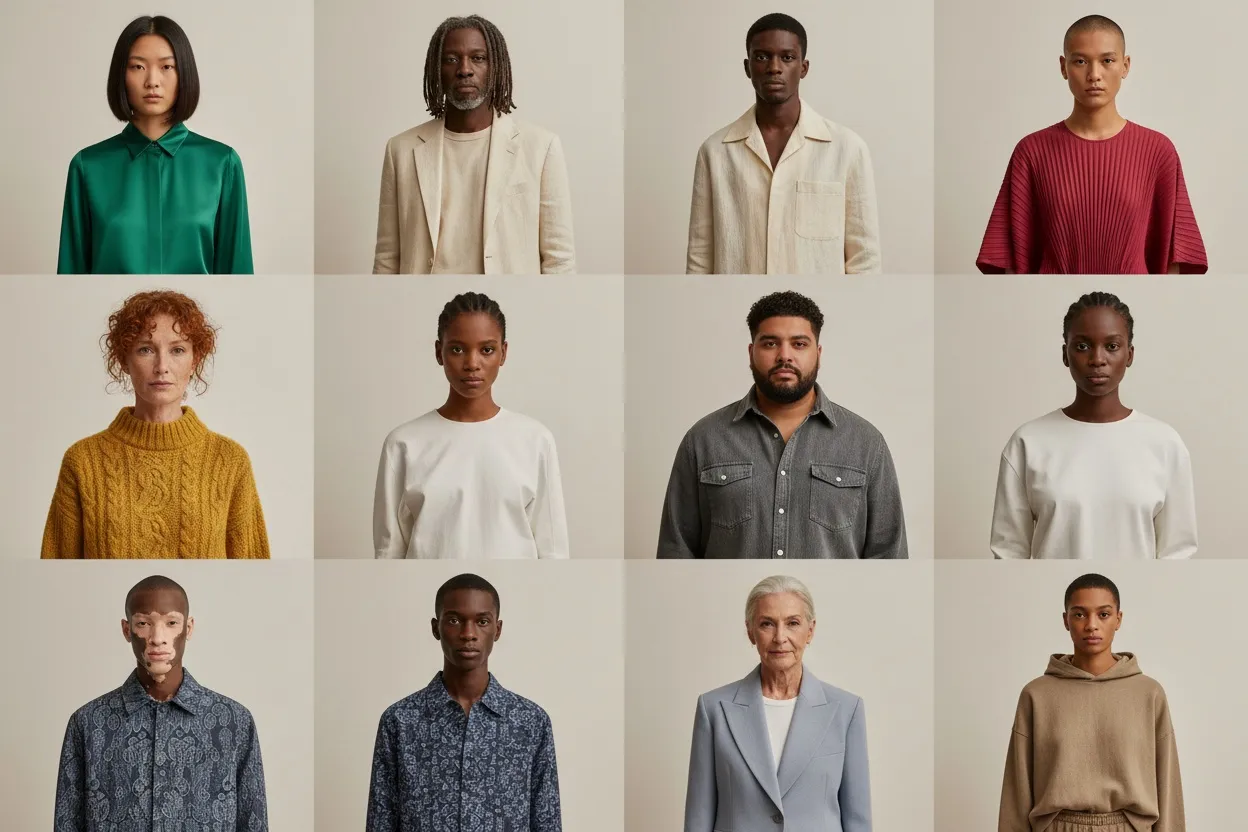
92 models and 55 venues. An accessory sells inside a look, and for anything going to social or paid, a shot with somewhere to be beats one on a seamless background.
Match the venue to the destination: a marketplace thumbnail rewards a clean background and a clear product, while an Instagram ad rewards context. Both come from the same upload.
A clean product shot is the input — you do not need it photographed on a person first. Front-on, evenly lit, plain background, sharp. For eyewear, shoot the frames open and facing camera. For bags, shoot with the strap arranged as it would be carried rather than coiled.
The uploaded photo is transferred rather than redrawn, so frame shape, lens tint, hardware and leather grain survive.
Shoes and eyewear will get their own pages with their own framing when there is enough search demand to justify one, the same way jewellery split into four. This page is the parent they will hang off.
Full commercial rights on everything generated, including marketplace listings and paid advertising.