
AI Photoshoot vs Studio Shoot: What Actually Changes for Fashion Brands (2026)
AI photoshoot vs traditional studio shoot for fashion brands. Real cost breakdown, turnaround times, quality trade-offs, and when each approach still wins.
Run a complete catalog photoshoot from a single garment photo. Pick one of 55 ready-made sets — a fi...
Upload one garment photo. Pick a ready-made set — one model, one location, up to six pinned angles. Get the whole shot list back in one run.
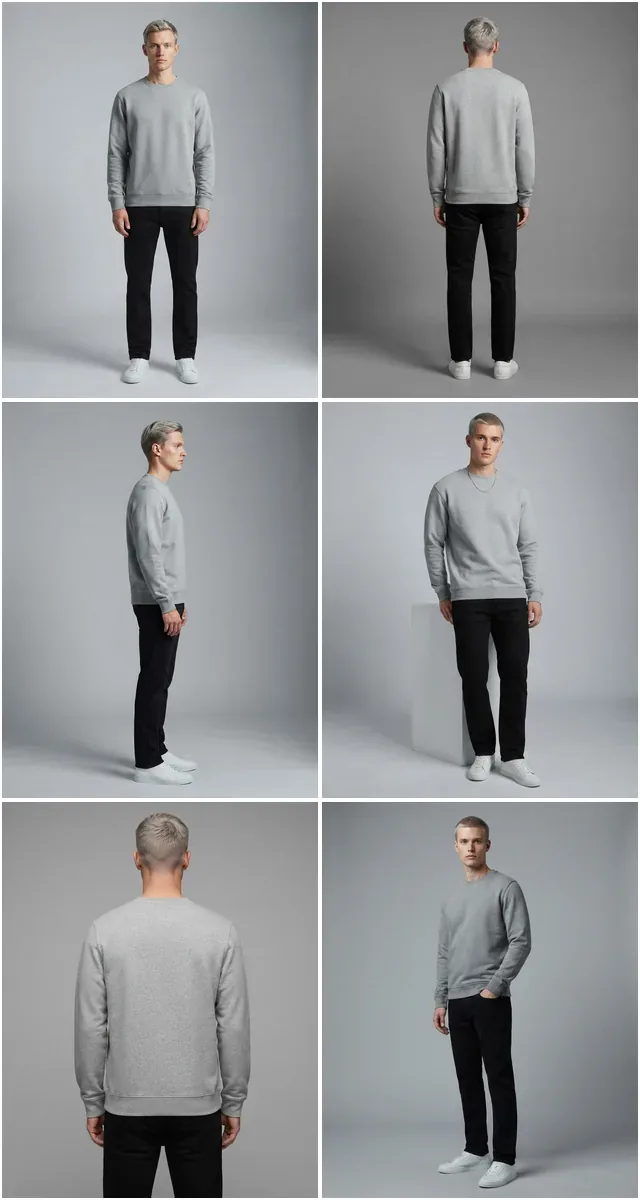
This is a single Catalogue Shoot run on the grey sweatshirt above: six pinned angles, one cast model, one studio, no reshoot.
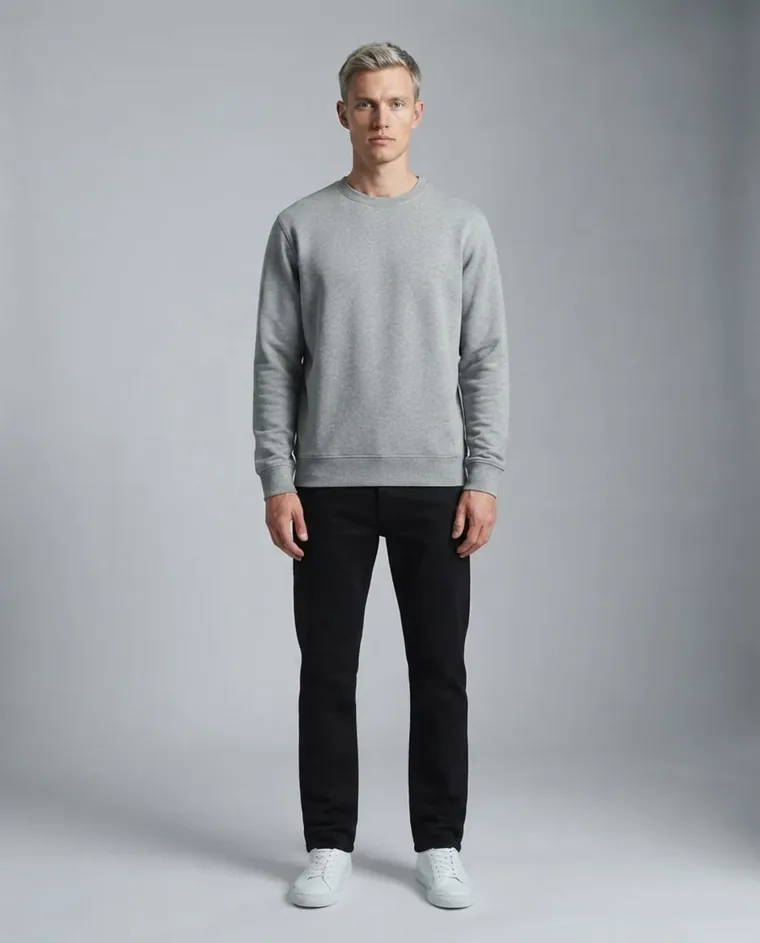 Front
Front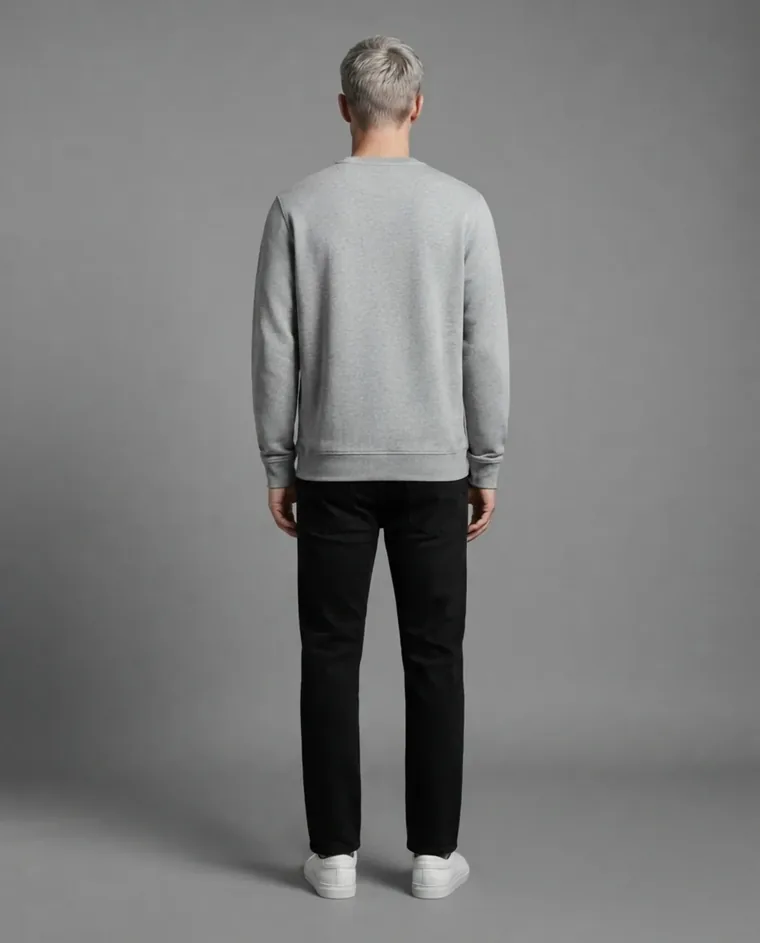 Back
Back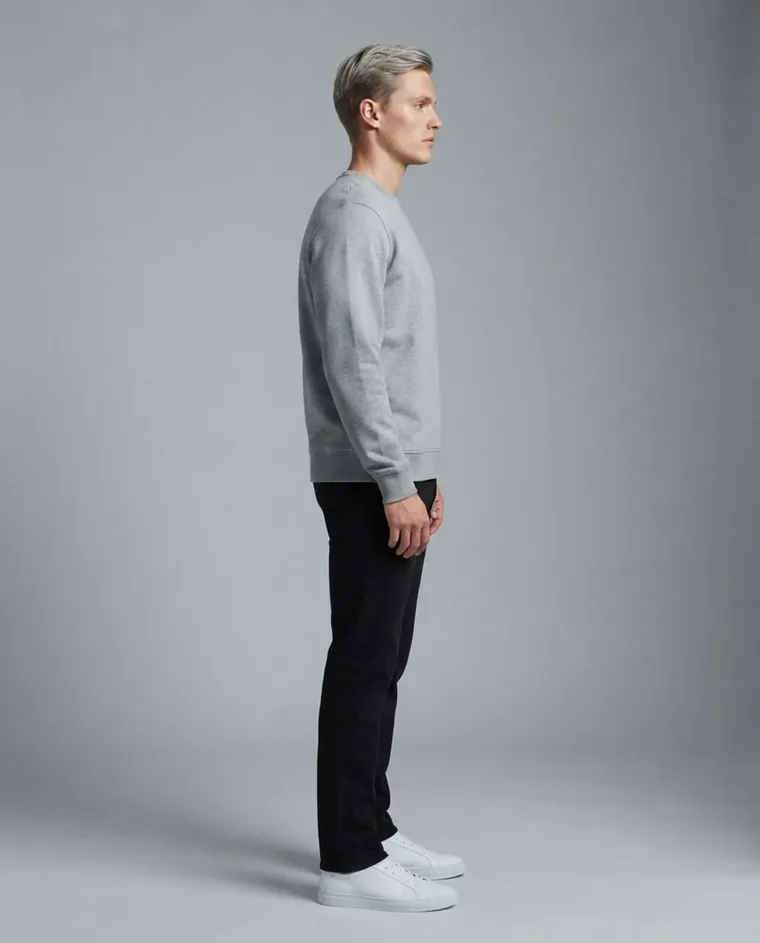 Side
Side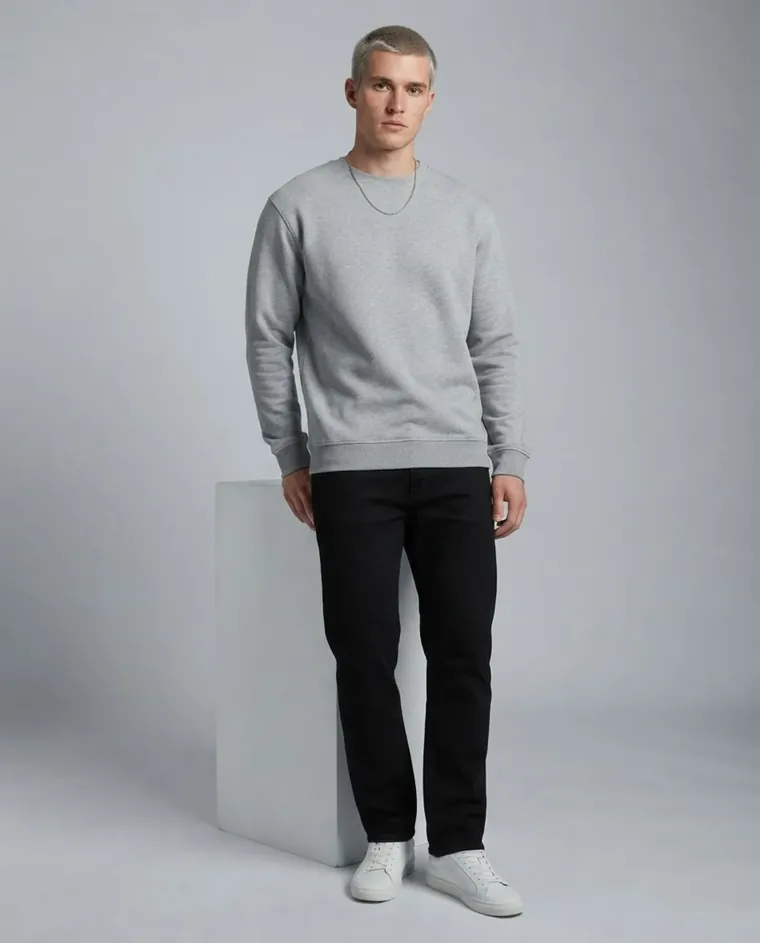 3/4
3/4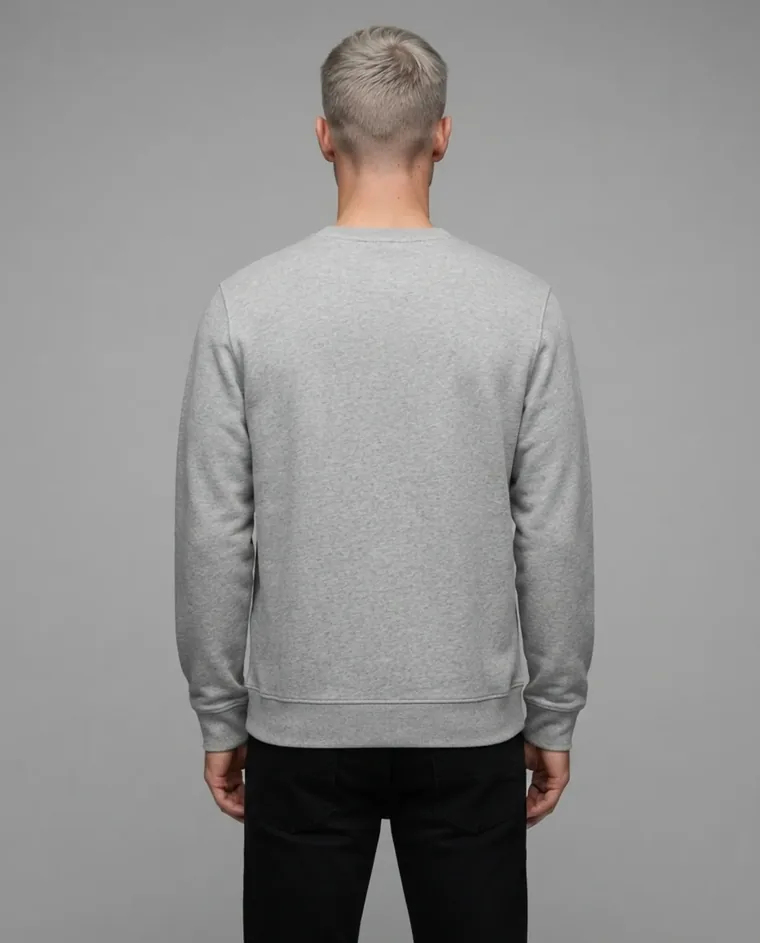 Detail
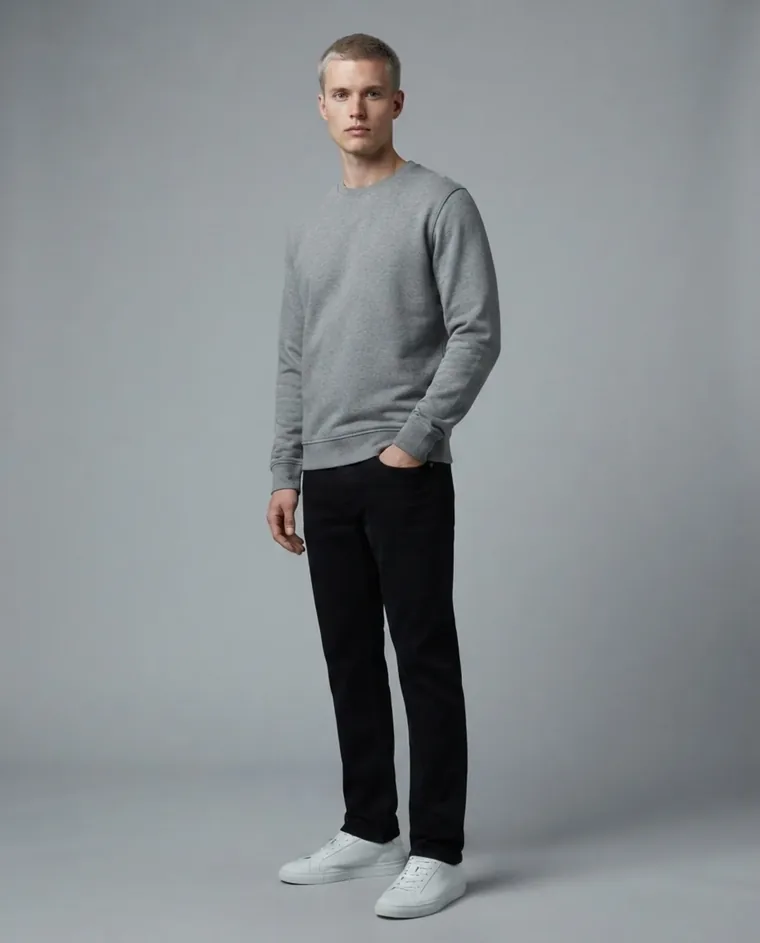 Movement
Each set pins its own shot list of up to six angles. Untick anything the listing does not need — you pay 3 credits for each shot you keep.
Garment centred, fully visible. The frame the listing opens on.
The angle most returns policies exist because of.
Fit and drape — the thing a flat-lay physically cannot show.
The frame that carries a collection page.
Fabric, seam, hardware, weave.
How the garment behaves when the body is not standing still.
The same pinned-set discipline, on location. This run is one linen dress through the Marrakech riad set — the shoot you would fly a crew out for.
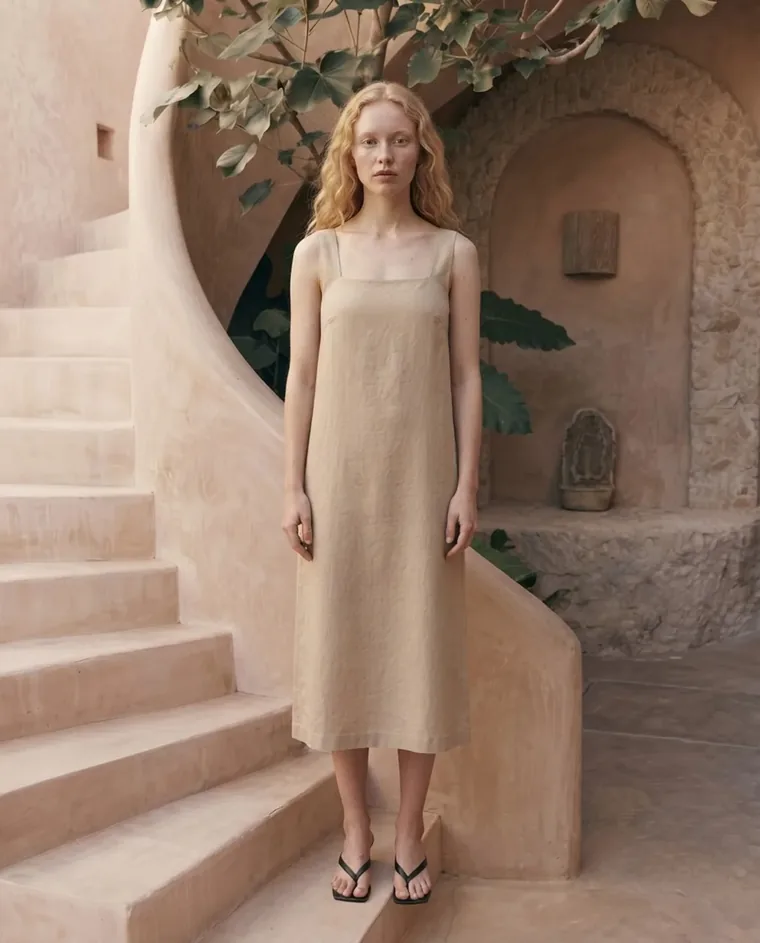 Front
Front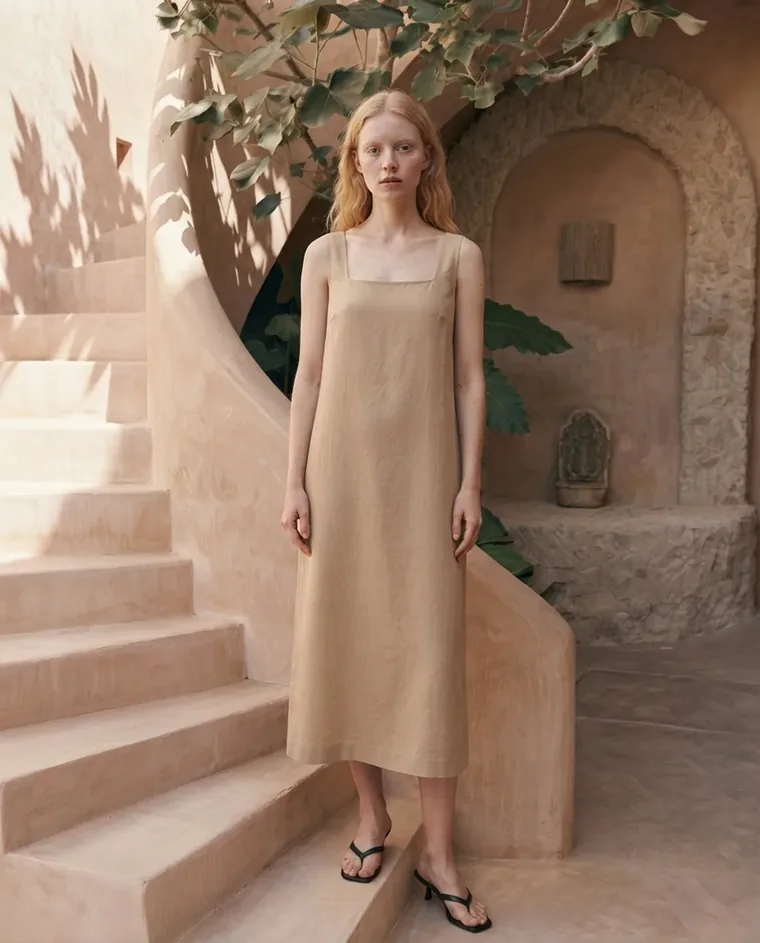 3/4
3/4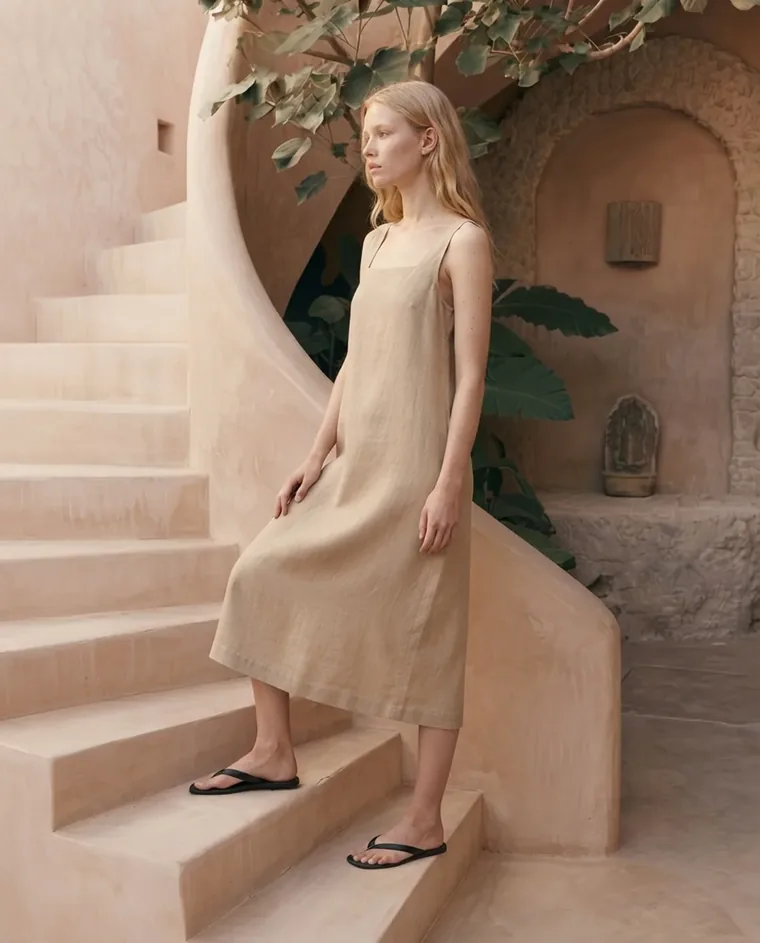 Walking
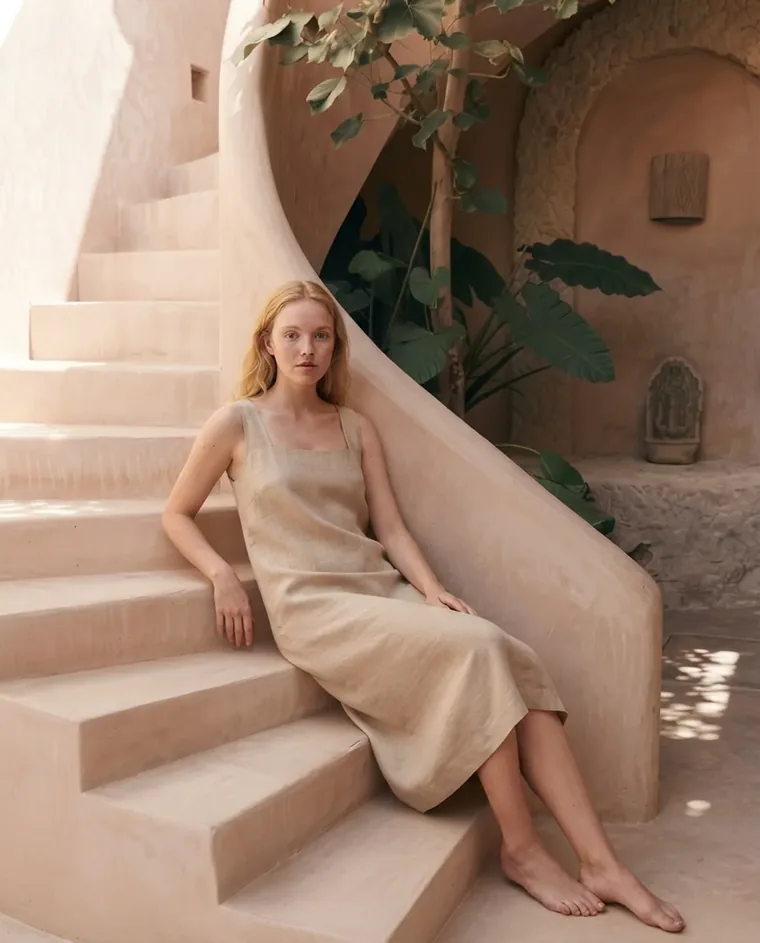 Seated
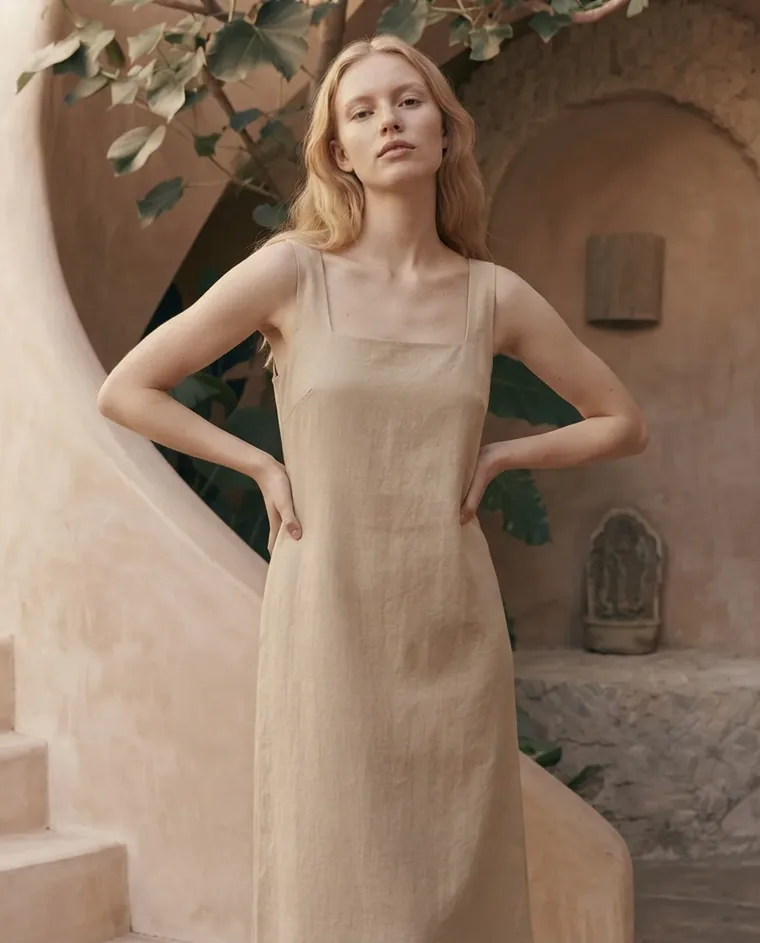 Crop
Crop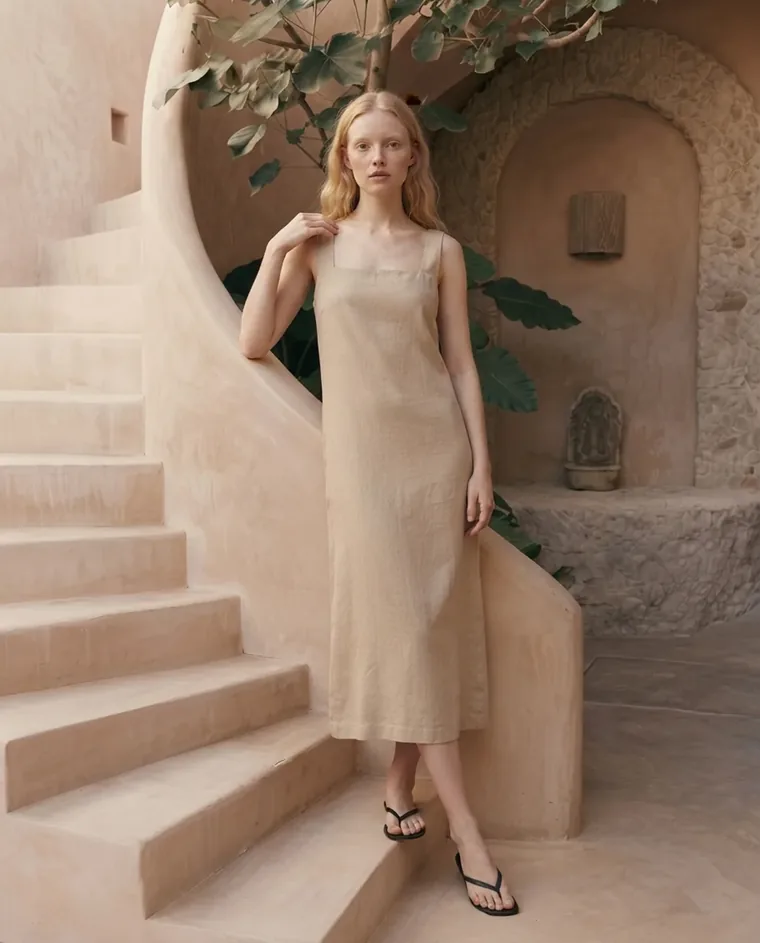 Detail
Each tile below is one set's own contact sheet. Pick the one that fits the category and every SKU you send through it lands matched.
Menswear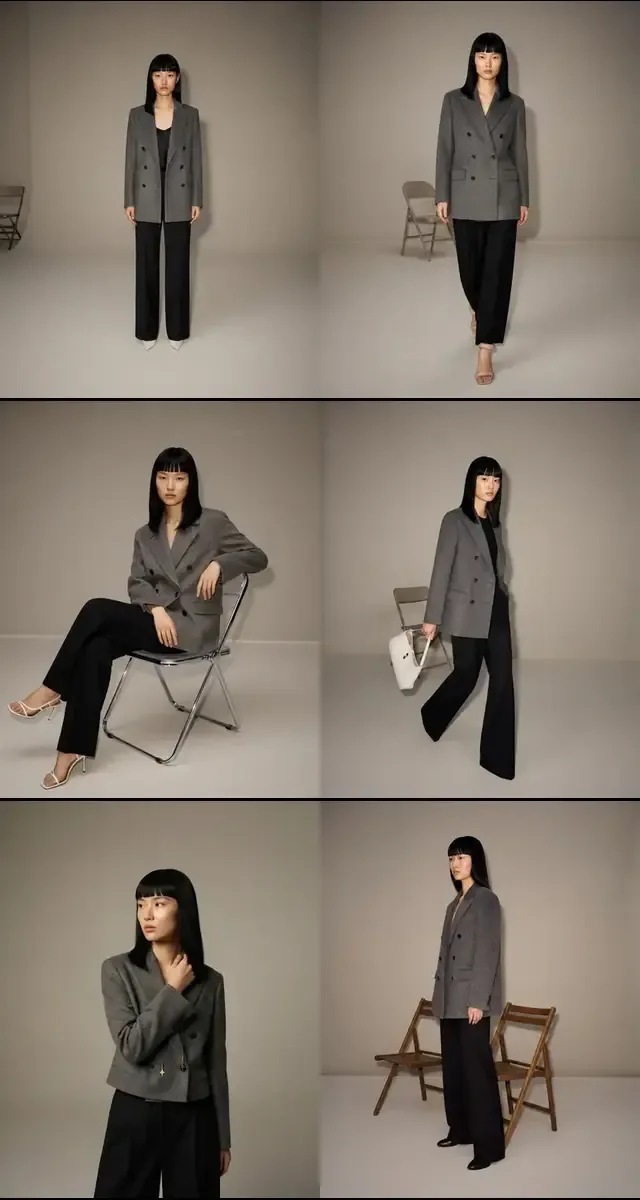 Womenswear
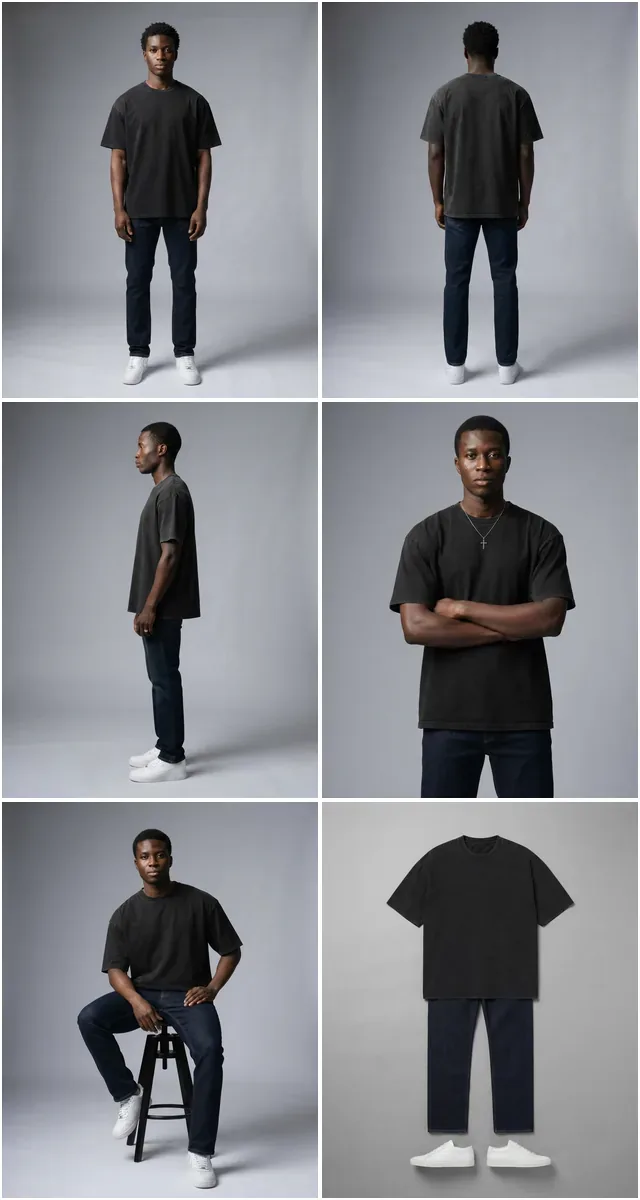 Basics
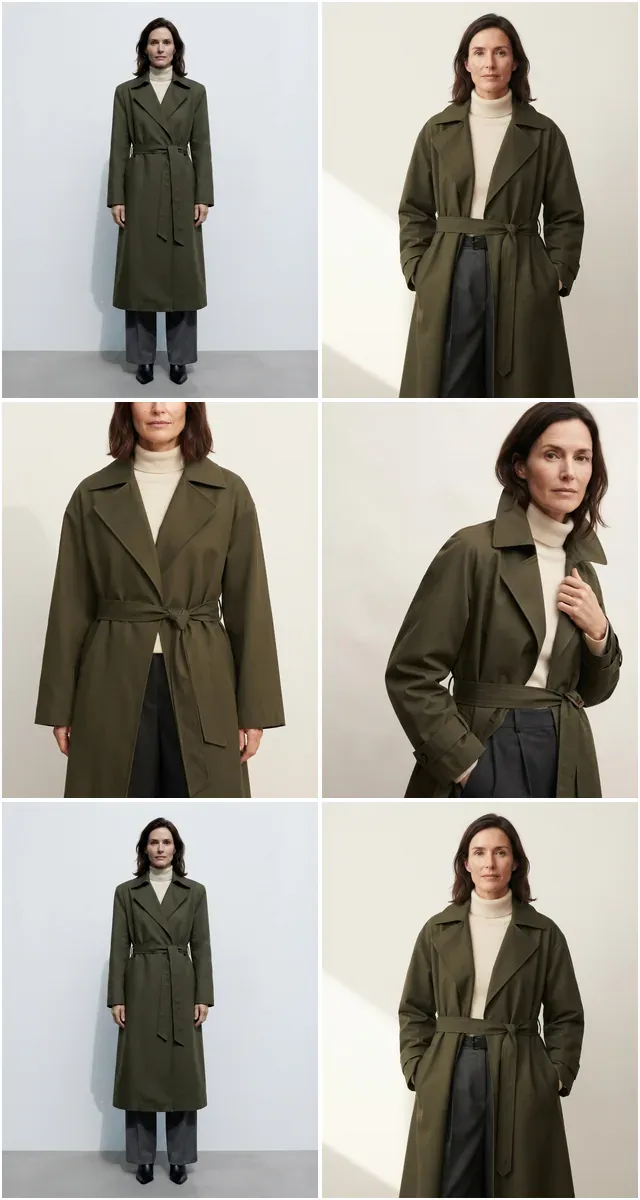 Outerwear
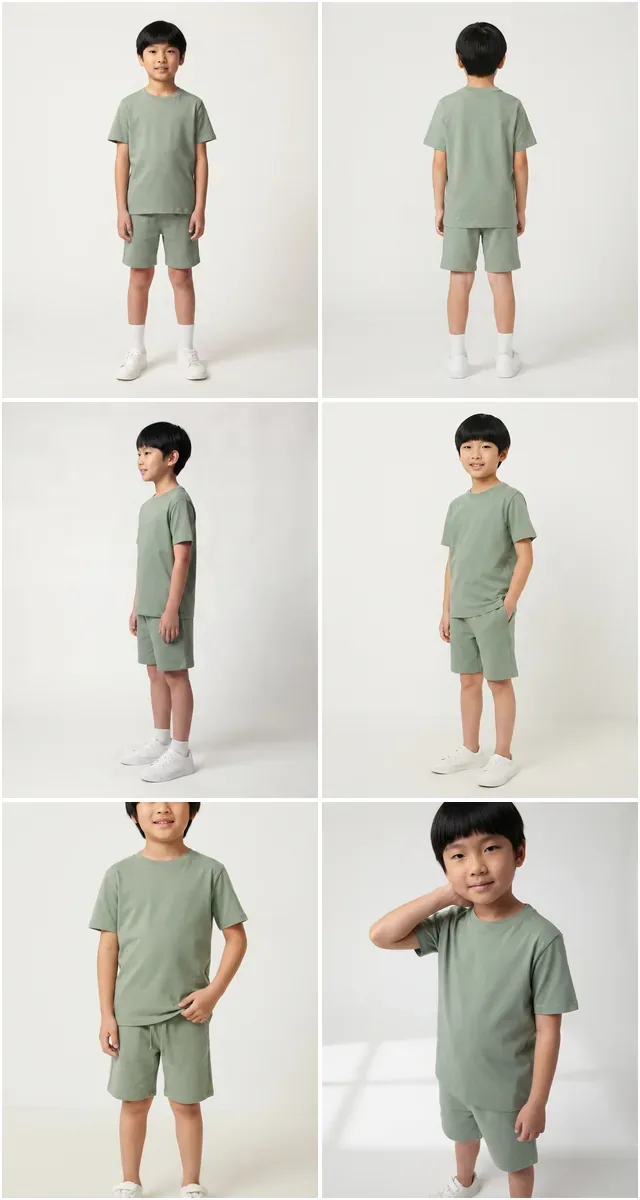 Kidswear
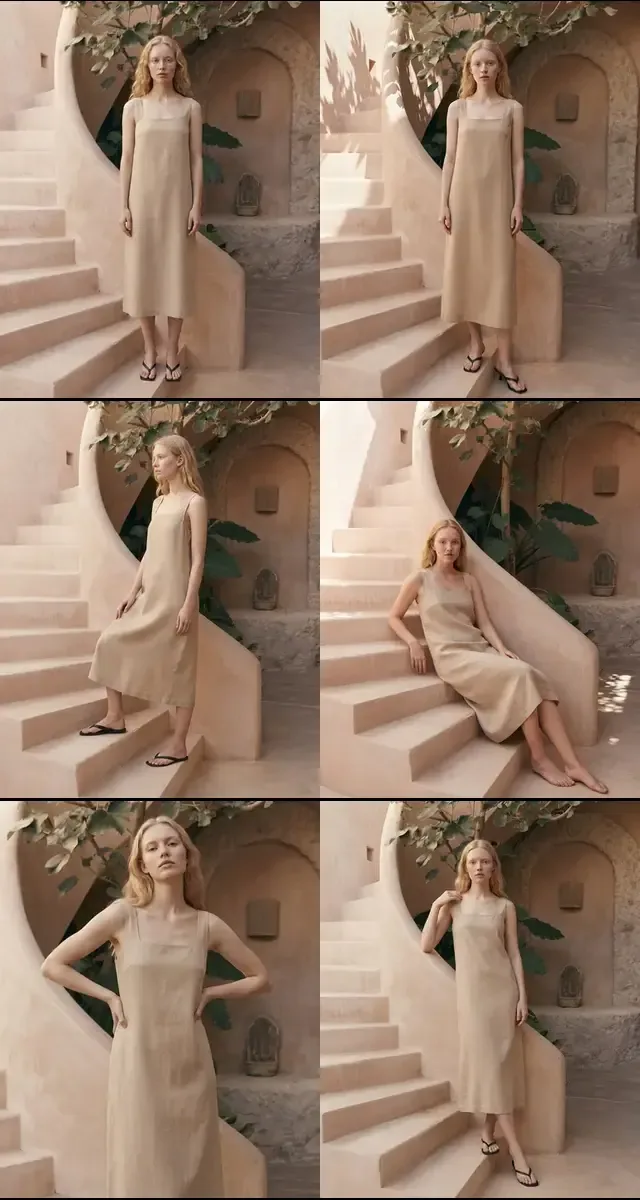 Resort
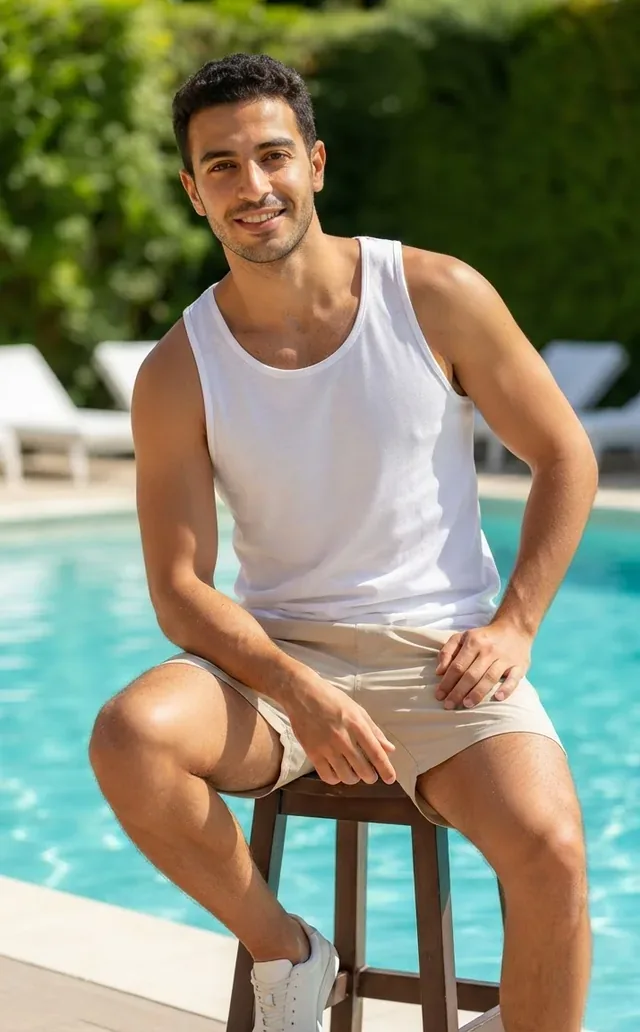 Swim
Swim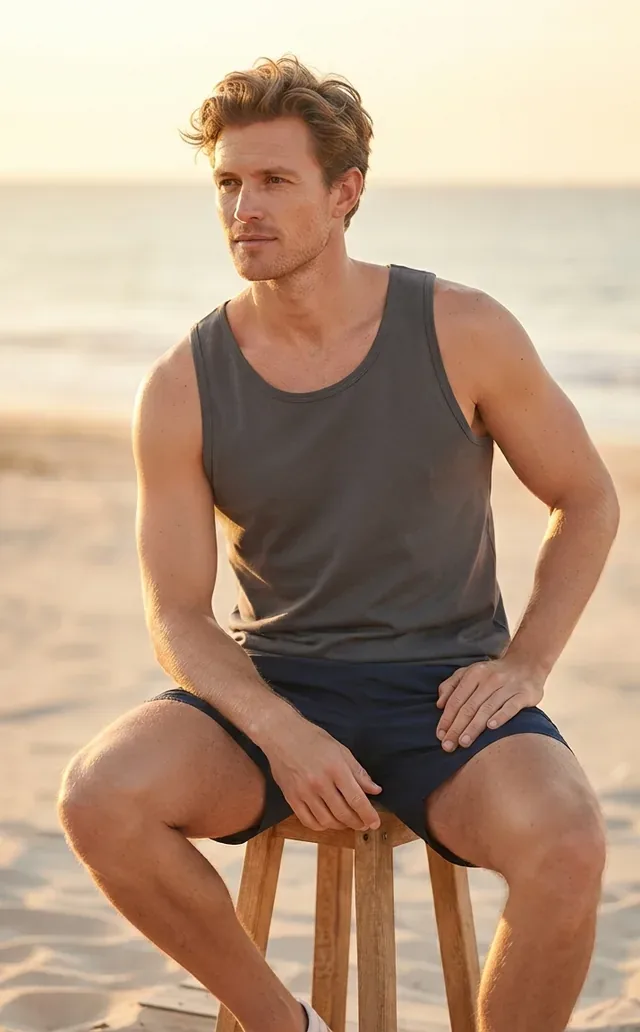 Location
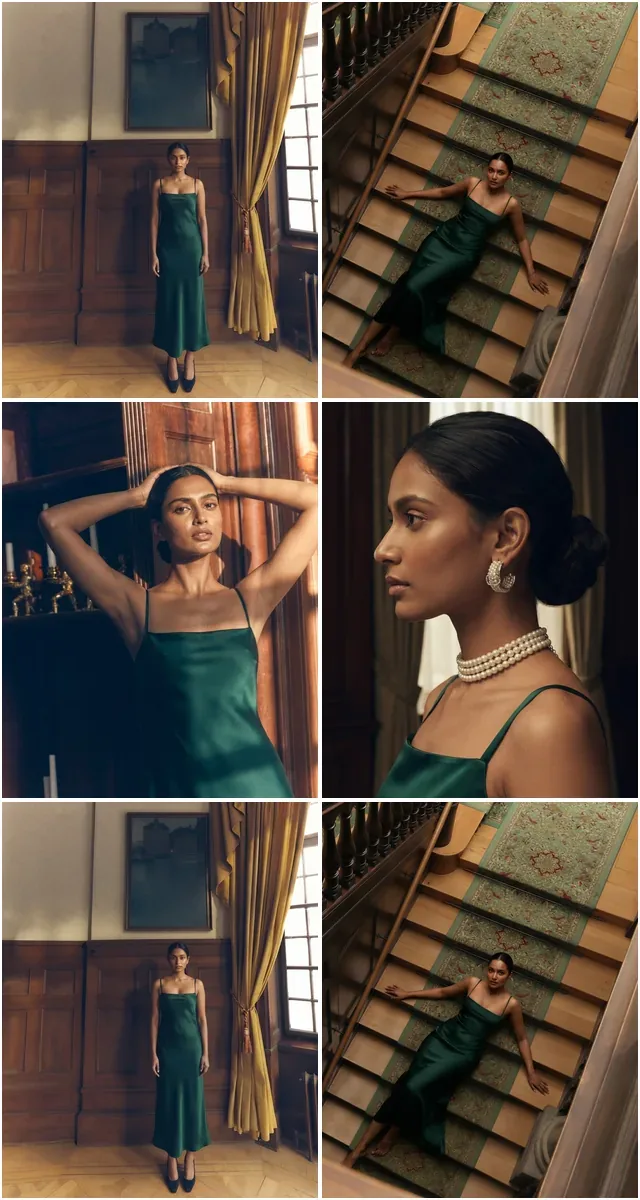 Occasion
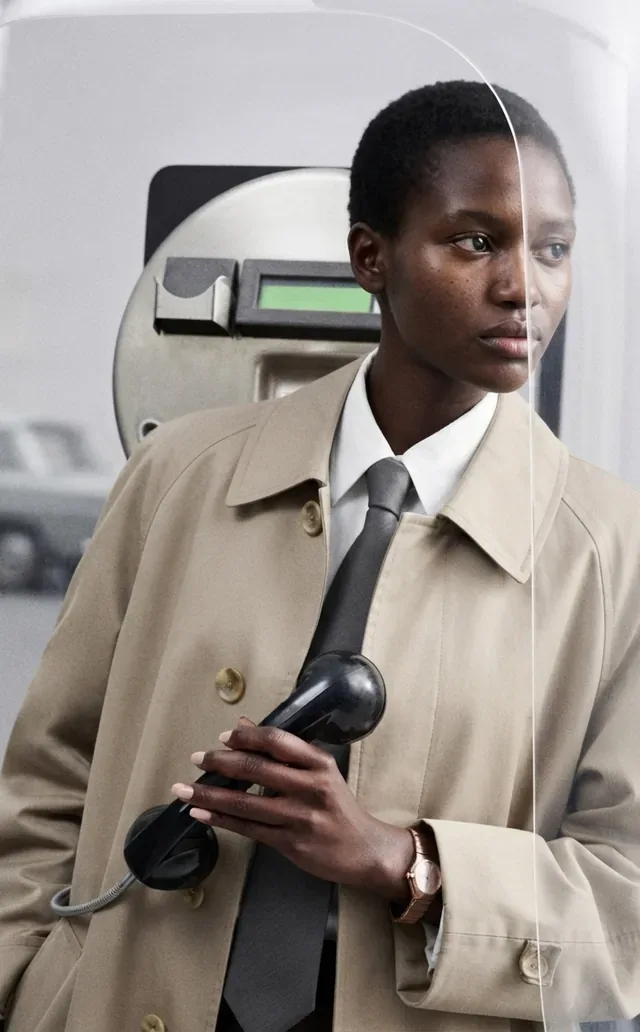 Street
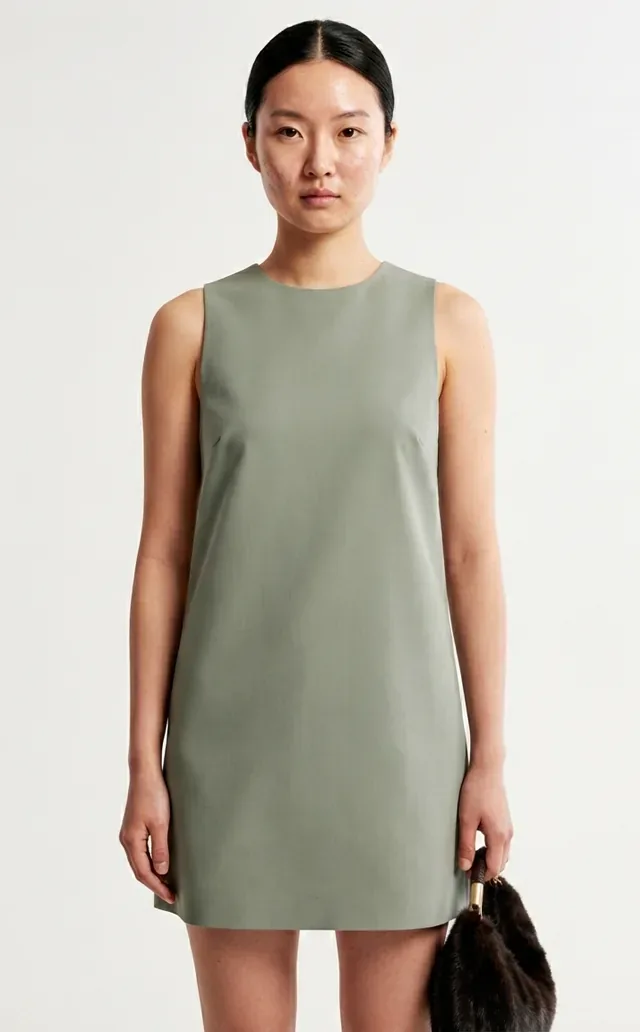 Dresses
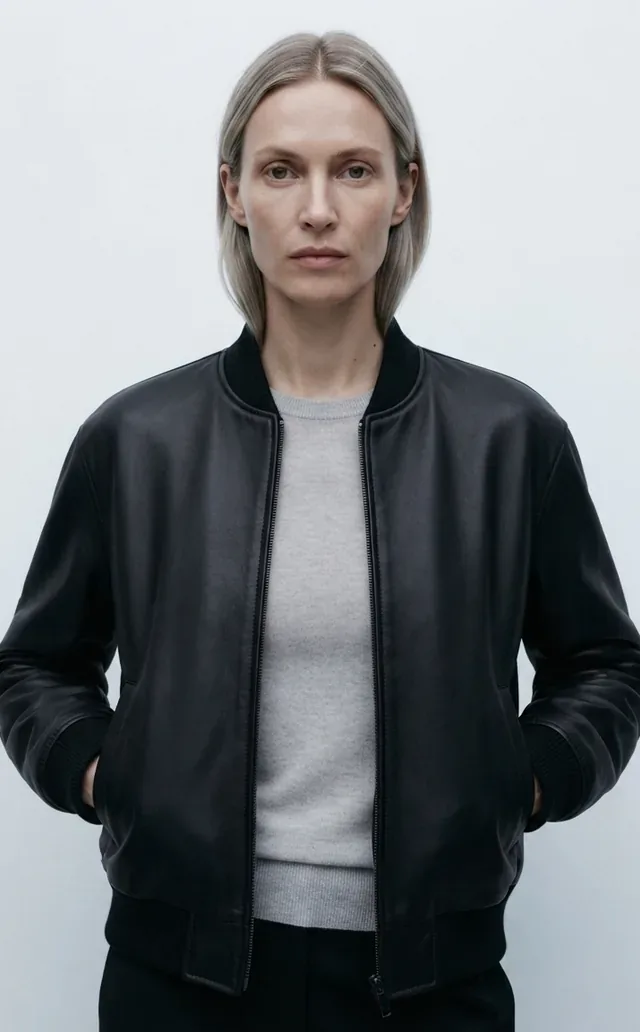 Leather
Showing 12 from the library. Womenswear, menswear and kidswear across studio, outerwear, resort, swim, occasion and street.
A set is not a filter. It pins the model, the location, the lighting and the lens, so the tenth SKU you run through it matches the first.
Up to six pinned frames — front, back, side, three-quarter, detail or seated, depending on the set. The shot list marketplaces ask for, produced in one run.
Grey studio for menswear e-com, a Marrakech riad for resort, a panelled interior for occasion, white seamless for the marketplace.
Body types, skin tones, ages and hair. Cast once and reuse the same face across the season so the catalog reads as one brand.
Sets are built per category, so a kids' tee is shot on a child and a trench is shot at a length that shows the drape.
Commercial use of every output — product pages, marketplaces, ads, social, print — with no royalties, on every plan and pack. No expiry.
Ranges below are typical market rates for a one-day apparel catalog shoot. Fashio bills the same work in credits: three per shot, so a four-shot set is twelve and a six-shot set eighteen.
Plans start at $14 a month (Starter, 50 credits); Plus is $29.99 (160 credits) and Pro $49.99 (500 credits). One fashion image costs 4 credits, about $1.12 on Starter. See the plans.
Twenty SKUs land on Monday. Run each one through the same set and the whole collection page goes live matched, without booking a studio day.
Buyers want the garment shown clearly from every side. The pinned shot list is the line sheet, already consistent.
Amazon, Zalando and Trendyol all want a clean on-model frame plus supporting angles. Run the white seamless set and meet the spec.
The sample came back in a second colourway. Re-run the same set instead of rebooking the model, the studio and the photographer.
AI photoshoot vs traditional studio shoot for fashion brands. Real cost breakdown, turnaround times, quality trade-offs, and when each approach still wins.
The zero-budget path from one phone photo of a garment to a full set of on-model Shopify images, for stores that were never going to book a shoot in the first place.
30 creative fashion photoshoot ideas for designers in 2026. Editorial concepts, AI prompt templates, location ideas — from minimalist to maximalist.
CampaignAny phone can take a sharp photo of a jumper. What a catalog needs is the twentieth photo to match the first — same model, same distance, same light, same crop — so a collection page reads as one line and a buyer can compare two SKUs without the photography getting in the way.
That is what makes a catalog photoshoot expensive. You are not paying for one good image. You are paying for a studio day where a model, a photographer, a stylist and a set stay locked while the whole rail goes through them. Break the day across two sessions and the catalog stops matching.
Fashio moves that consistency into the set. A set fixes the model, the location, the lighting and the camera angles as properties of the shoot rather than instructions you retype. Send the first garment through it and send the twentieth through it a month later, and they come back matching.
LookbookEach set pins its own shot list of up to six frames, drawn from:
Untick anything the listing does not need. A marketplace SKU might only want front, back and detail; a lookbook usually wants the full list.
MenswearDozens of sets are built today, grouped by what they are for rather than by mood:
Studio e-commerce — grey and white seamless for menswear, womenswear and kidswear, lit flat and evenly so a marketplace crop never clips a shoulder. Outerwear and tailoring — longer lens, more headroom, lighting that reads a lapel roll and a coat's fall. Resort and swim — Marrakech riad, poolside, golden-hour beach, for linen and warm-season ranges. Occasion and eveningwear — panelled interiors and evening light, for satin, silk and anything with drape. Street and lifestyle — city pavement and architecture for the campaign frame that sits beside the listing frame.
StreetIndependent labels who have never been able to justify a studio day. Wholesalers who need line sheets buyers can read. Marketplace sellers whose listings get suppressed for inconsistent imagery. Agencies covering the long tail of a client's catalog between the two real shoots a year they can bill for.
StudioA booked catalog day is a studio rental, a model day rate, a photographer, an assistant, a stylist, and a week of retouching afterwards — commonly $3,000 to $8,000 for a single collection, and the same again when a colourway changes. A set run costs 3 credits per shot you keep — 12 credits for a four-shot set (about $3.36 on Starter or $1.20 on Pro), 18 for a six-shot set — and needs no booking.
You still need one good photo of the garment. Everything after that is the set's job.