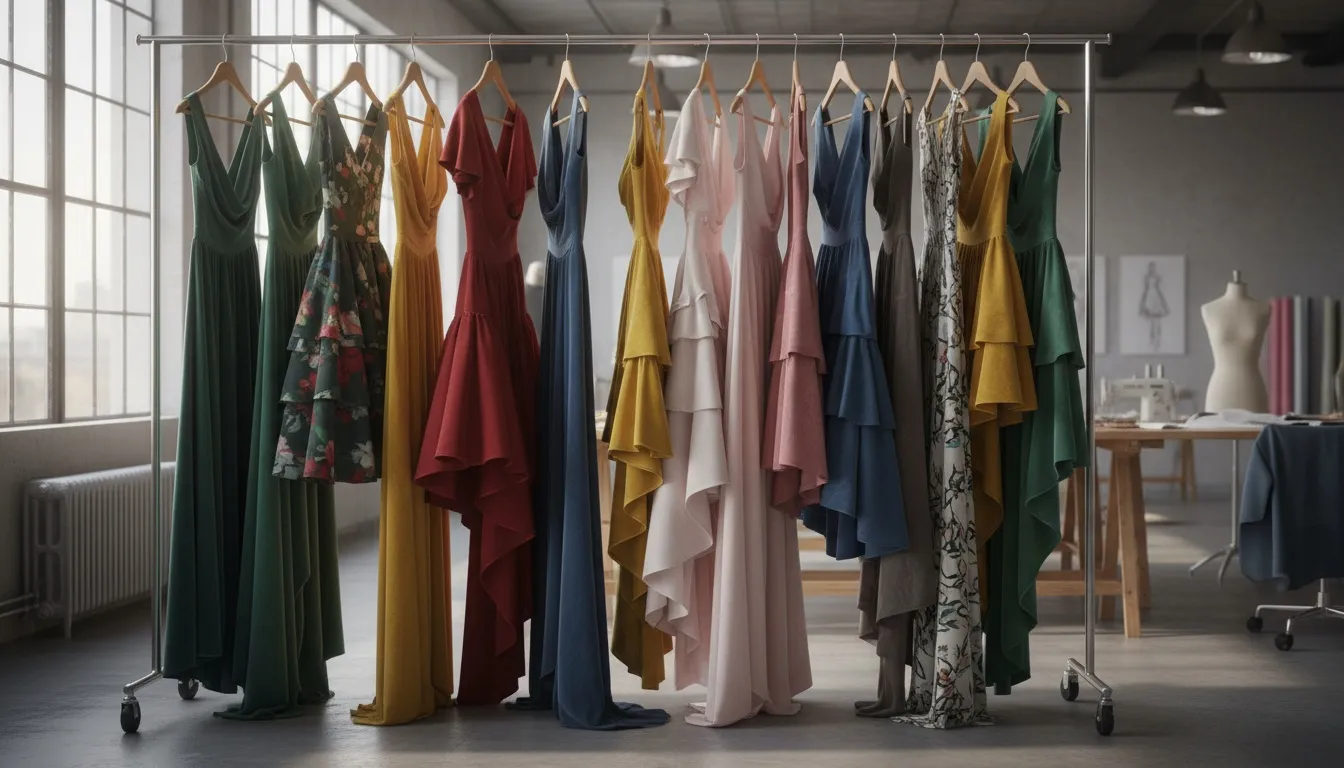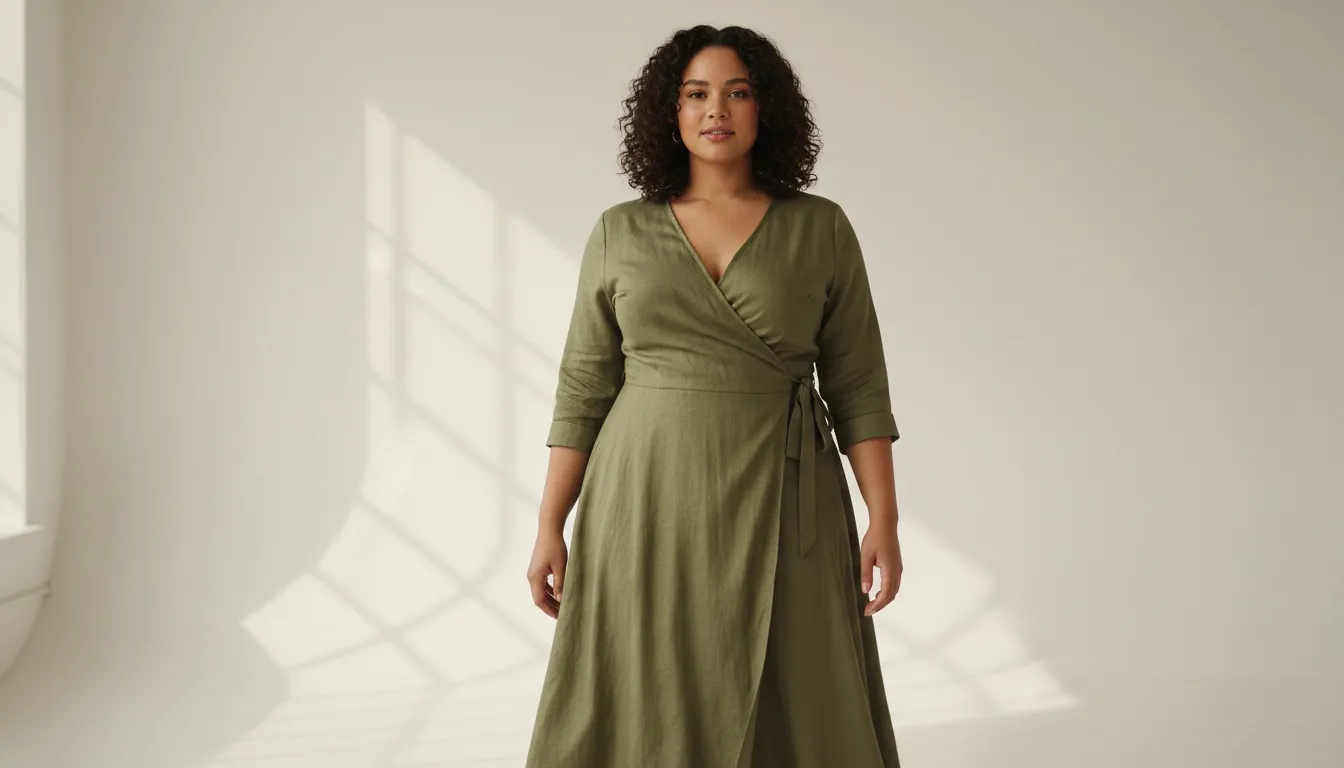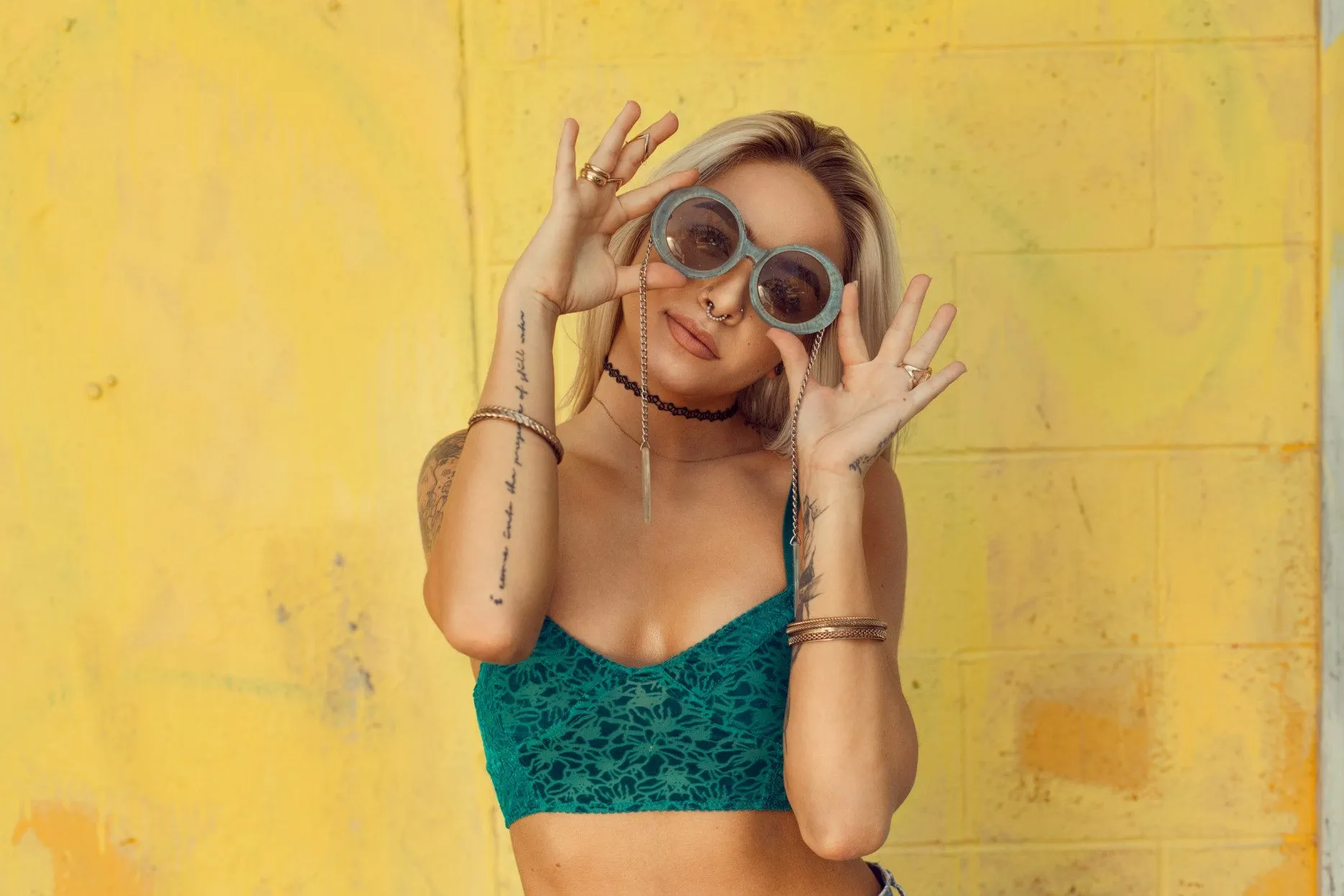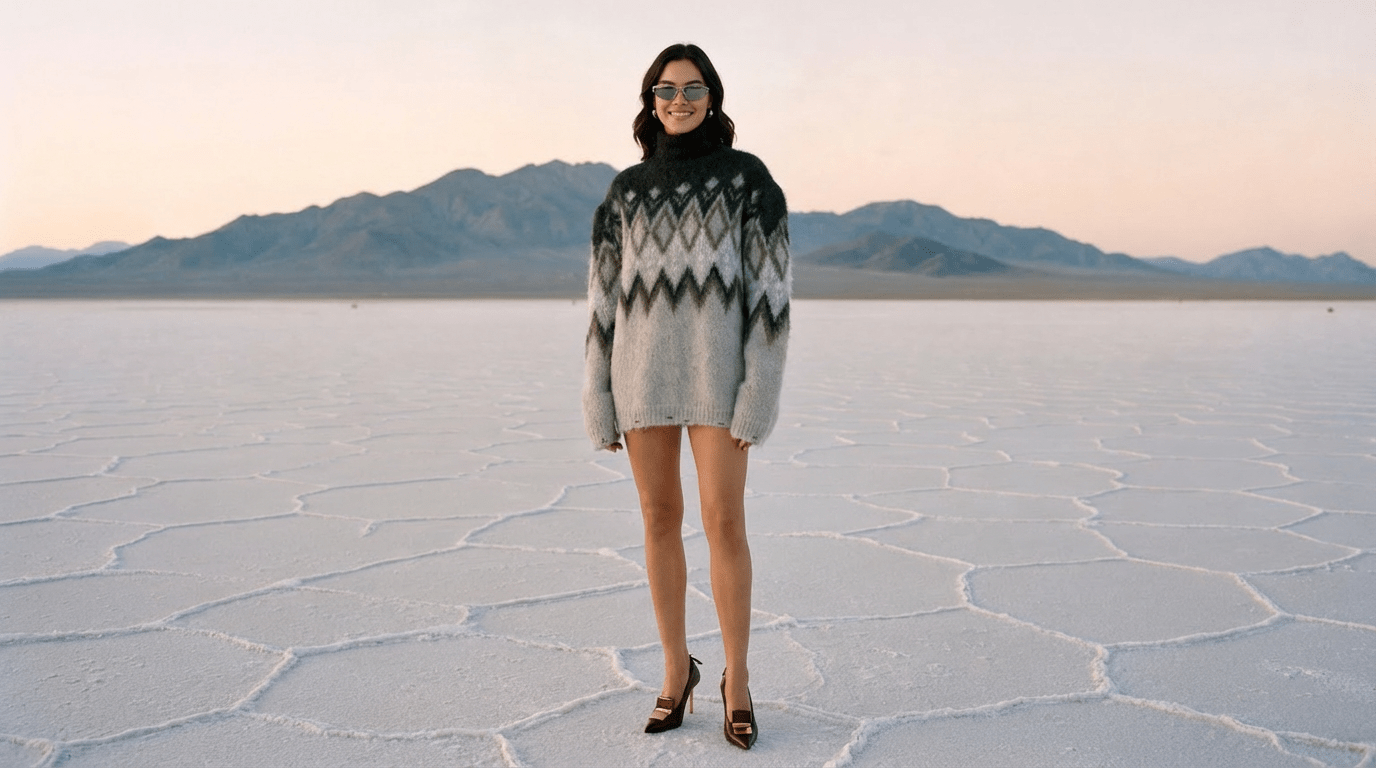
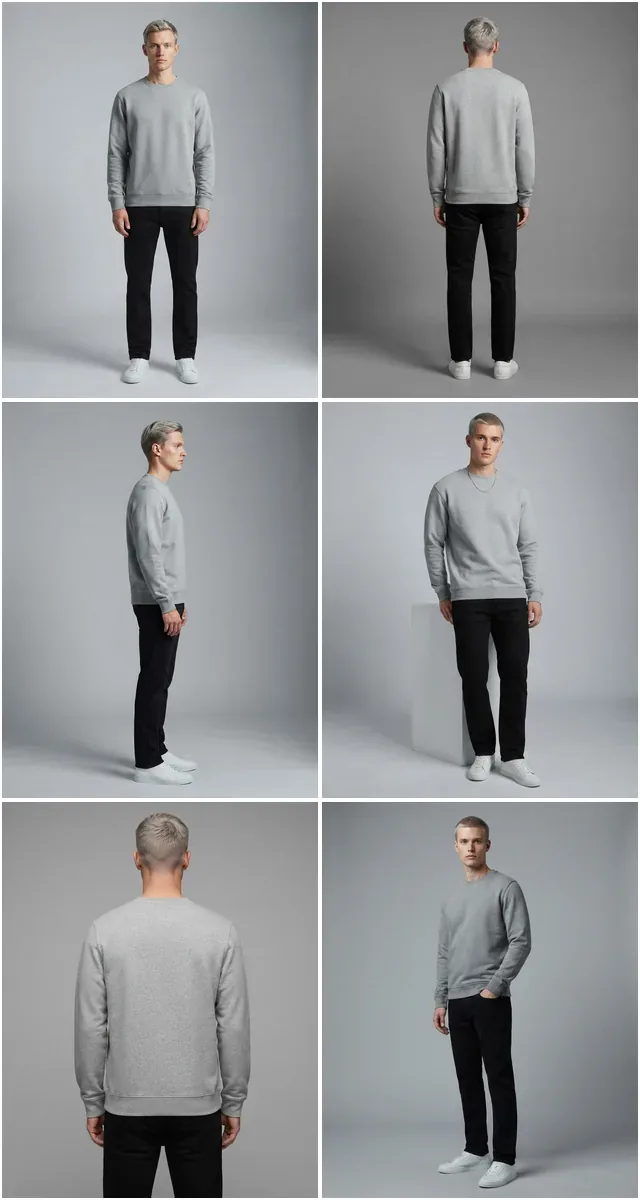
The 2026 Reality: Every Product Image Needs Three Layers of Text — And AI Writes Them All
1-3 sec per image $0.005-$0.05 per description WCAG 2.2 compliance ready Unlocks image and visual search traffic
Every product image carries three text layers: alt text for accessibility, SEO description for search, and product copy for the buyer. AI image description generators write all three in parallel — at the cost of pennies per SKU.
Until recently, writing alt text and image descriptions for a 1000-SKU catalog was the work of an intern with a spreadsheet — or, more often, the work that simply didn't get done. Brands launched products with empty alt attributes, generic filenames, and product copy that ignored the actual photo. The cost was hidden but real: lost Google Images traffic, accessibility non-compliance, weaker AI shopping signals, and missed conversions for visually-driven categories.
The AI image description generator changes that economics. A modern vision-language model reads a fashion product photo and produces accurate, context-aware descriptions in 1-3 seconds — alt text, SEO copy, and even draft product descriptions in one pass. For fashion ecommerce specifically, tools trained on apparel imagery generate the kind of detailed description that captures fabric, fit, color nuances, and styling context.
This guide covers what AI image description generators actually do, which tools work best for fashion, the workflow to deploy them at scale, and how to use AI descriptions across accessibility, SEO, and product copy without sounding like every other store on the internet.
What an AI Image Description Generator Actually Does
The technology is built on vision-language models (VLMs) — neural networks that combine image understanding with text generation. The model receives a photo, analyzes the visual content, and produces a natural-language description of what it sees.
For fashion product photos, the output typically covers:
| Description Layer | What It Includes | Where It's Used |
|---|---|---|
| Garment Identification | Item type (dress, jacket, blouse), silhouette, length | Product title, alt text, search tags |
| Color & Pattern | Primary color, secondary tones, patterns (stripes, floral, etc.) | Color filter metadata, alt text |
| Fabric & Texture | Material appearance (knit, woven, leather, silk), texture detail | Product description, SEO copy |
| Styling Details | Necklines, sleeves, hemlines, closures, embellishments | Feature bullets, detailed description |
| Context & Setting | Model present, backdrop, lighting style, mood | Lifestyle/editorial alt text, social captions |
| Fit Description | Loose, fitted, oversized, tailored, drape characteristics | Sizing copy, fit guide content |
The depth of description depends on the prompt. Asked for alt text, the AI produces a 100-character description. Asked for product copy, it produces a 200-word paragraph. Asked for technical specs, it produces an attribute-keyed list.
Why Fashion Brands Specifically Need This Workflow
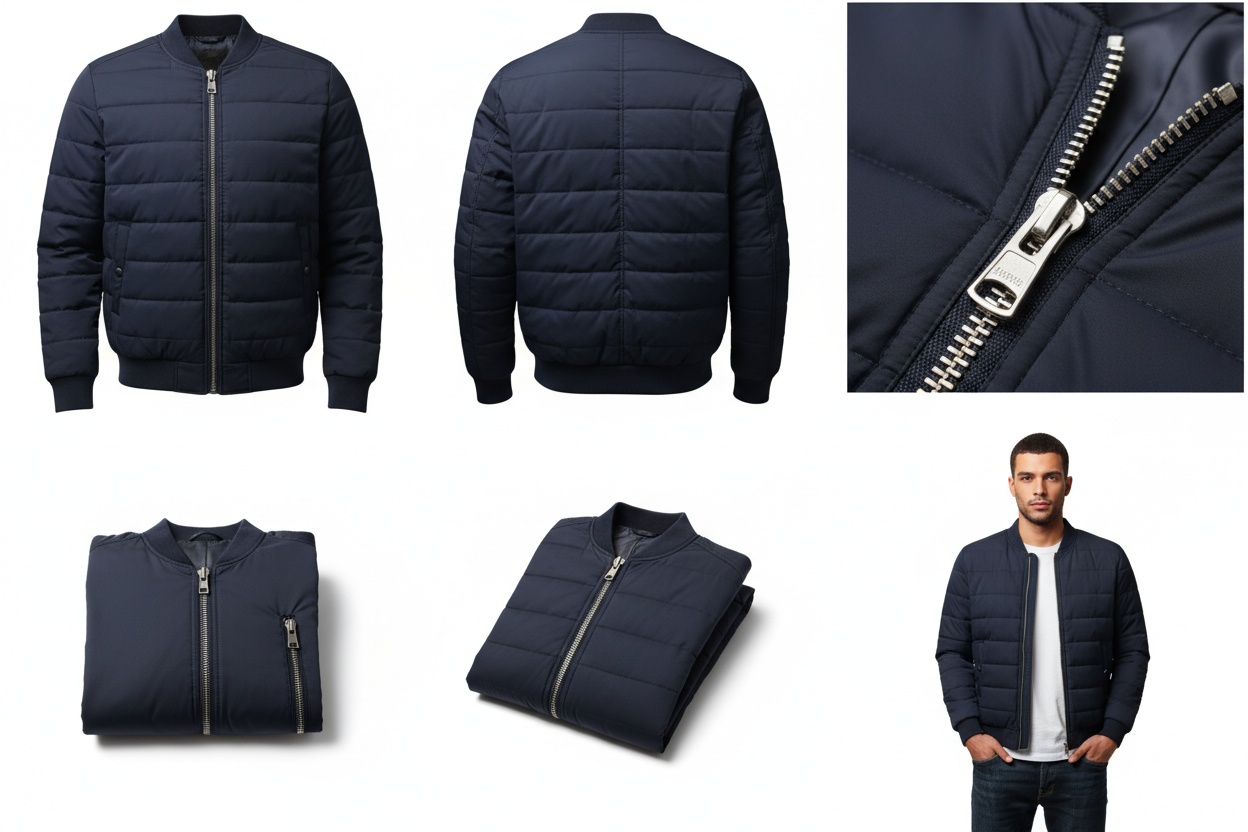
Fashion ecommerce has a unique imagery problem: catalogs are massive (often 1000-10,000+ SKUs), seasons turn over every 6-12 weeks, and each product needs three text layers per image (alt text, SEO description, product copy) across multiple angles and contexts. Manual writing at this scale isn't practical.
The Three-Text-Layer Problem
- Alt text — accessibility and SEO, must exist on every img tag
- Image SEO description — filename, caption, structured data, surrounding page text
- Product description — the customer-facing buying copy that references the image
Each layer serves a different purpose, but all three describe the same image. Writing them by hand is redundant and slow. AI generates all three from one image in one pass.
Fashion catalogs aren't text-light because writers are lazy — they're text-light because human writing doesn't scale to 5000 SKUs. AI image description generators solve the scale problem so the text layers actually exist on the page.
Manual Writing vs AI Generation — The Honest Comparison
- 4-8 minutes per product for full description set
- $25-60/hour for a copywriter
- Inconsistent quality across long sessions
- Skipped images when deadlines tighten
- Hard to maintain across seasonal restocks
- Bottleneck for SKU velocity
- 1-3 seconds per image for full description set
- $0.005-$0.05 per image at scale
- Consistent quality across the entire catalog
- Every image covered, every season
- Automatic regeneration for restocks and variants
- Scales with SKU growth instead of becoming the bottleneck
The hybrid workflow most brands use: AI generates 100% of alt text and draft descriptions; copywriters polish the customer-facing product copy for brand voice. Hours of mechanical writing become minutes of editorial polish.
Tool Comparison — 7 AI Image Description Generators Tested on Fashion
We tested seven tools by feeding them 25 fashion product photos (mix of flat lays, on-model shots, accessories, and lifestyle imagery) and scoring the output on accuracy, fashion specificity, customizability, batch capability, and pricing.
1. Fashio AI Image Description
Fashion-trained image-to-text generator built for apparel ecommerce. Strongest accuracy on fashion-specific attributes — fabric type, garment construction, silhouette, fit. Produces alt text, SEO copy, and product copy from one source image with brand-voice toggles. Batch processing through the dashboard. Designed for shoppable workflows so output is structured and exportable.
Fashion specificity: Excellent. Pricing: From $29.99/mo. Best for: Fashion brands wanting integrated description-to-listing workflow.
2. GPT-4 Vision (OpenAI)
General-purpose vision-language model with strong fashion knowledge through training breadth. Highly customizable via prompts — can be instructed to produce any description format. API access for batch jobs. Quality is excellent but requires careful prompt engineering for fashion-specific output. Output is creative and well-written.
Fashion specificity: Strong (with good prompts). Pricing: ~$0.01-0.05 per image via API. Best for: Technical teams building custom description pipelines.
3. Google Gemini Vision
Google's multimodal model. Strong at structured attribute extraction (garment type, color, material). Integrates with Google's broader ecosystem (Search Console, Merchant Center, Shopping Graph). Output is reliable and well-formatted for ecommerce metadata use cases.
Fashion specificity: Strong. Pricing: Free tier + API pricing. Best for: Google-ecosystem brands (Merchant Center, GMC).
4. Claude Vision (Anthropic)
Anthropic's vision model. Particularly strong at natural-language, flowing description copy — output reads more like editorial product writing than technical specs. Excellent for brands prioritizing brand voice in AI-generated copy. API access for batch.
Fashion specificity: Strong. Pricing: ~$0.01-0.04 per image via API. Best for: Brands with strong voice requirements.
5. AltText.ai
Dedicated alt text generator with Shopify, WooCommerce, and WordPress integrations. Specializes in the alt-text-only use case at scale. Lower per-image cost than general-purpose VLMs because the model is optimized for short-form output.
Fashion specificity: Good for alt text. Pricing: Subscription based on volume. Best for: Pure alt-text deployment, accessibility compliance.
6. Modelia Image Description Generator
Apparel-focused description tool. Reasonable fashion specificity. Output suitable for product listing copy. Has been gaining traction in the fashion AI tooling space alongside companion model and try-on tools.
Fashion specificity: Good. Pricing: Subscription tiers. Best for: Brands already using companion fashion AI tools.
7. Microsoft Azure Computer Vision
Enterprise-grade vision API. Strong at attribute tagging (returns structured tags rather than flowing copy by default). Best paired with a separate text-formatting layer to convert tags into descriptions. Used heavily in enterprise PIM systems.
Fashion specificity: Good for tagging. Pricing: API per call. Best for: Enterprise PIM integration, tag/attribute extraction.
Head-to-Head Comparison Table
| Tool | Fashion Accuracy | Brand Voice | Batch / API | Pricing | Best For |
|---|---|---|---|---|---|
| Fashio AI | Excellent | Built-in toggles | Yes | Free / $19+ | Apparel ecommerce |
| GPT-4 Vision | Strong (prompt-tuned) | Via prompt | Yes (API) | $0.01-0.05/img | Custom pipelines |
| Gemini Vision | Strong | Moderate | Yes (API) | Free + API | Google ecosystem |
| Claude Vision | Strong | Excellent | Yes (API) | $0.01-0.04/img | Voice-led brands |
| AltText.ai | Good (alt only) | Limited | Yes | Subscription | Pure alt text |
| Modelia | Good | Moderate | Yes | Subscription | Companion tools |
| Azure Vision | Good (tags) | n/a (raw tags) | Yes (API) | Per call | Enterprise PIM |
Even the best AI image description generators occasionally misidentify fabric (calling cotton-blend "silk"), miss subtle pattern details, or get color names slightly off. For high-traffic SKUs and hero products, always have a human review the AI output before publishing. Spot-check 5-10% of bulk-generated descriptions for quality control on the full set.
Step-by-Step: Deploying AI Image Descriptions for a Fashion Catalog
-
Define Your Three Description Layers
Decide upfront what alt text, SEO description, and product copy should look like for your brand. Set length limits, voice guidelines, and attribute requirements. The AI will follow whatever template you give it — but the template needs to exist first.
-
Build a Sample Set of 25-50 Reviewed Examples
Write the three description layers by hand for 25-50 representative products. These become your prompt examples (for tools like GPT-4V or Claude Vision) or your training reference (for fine-tuned tools). Quality of the sample set determines quality of the bulk output.
-
Run a Pilot Batch of 100 SKUs
Process 100 products through your chosen tool with the template applied. Review every output. Look for: accuracy on garment type, color naming consistency, fabric identification, fit description, and brand voice match. Identify recurring errors.
-
Iterate on Prompts or Settings
Adjust prompts (for VLM tools) or template settings (for purpose-built tools) to fix the recurring errors. Re-run the pilot batch and check again. Two to three iterations usually produce production-ready quality.
-
Scale to Full Catalog Processing
Process the full catalog in batches. Per-session upload limits vary by tool, so plan the batches around them. Track per-image cost and total processing time. A 5000-SKU catalog typically completes in 3-8 hours of total processing.
-
Pipe Output into PIM / CMS
Export the AI-generated descriptions to your product information management system or directly to your CMS. Most tools provide CSV, JSON, or direct API delivery. For Shopify, plugins exist that write descriptions directly to product fields.
-
Quality-Check 5-10% Random Sample
Once descriptions are deployed, spot-check a random 5-10% sample. Flag errors, retry those SKUs with adjusted settings, and republish. This QA step catches the edge cases that statistical accuracy misses.
-
Set Up Auto-Generation for New SKUs
Once the bulk catalog is processed, configure auto-generation for new product uploads. Every new photo gets descriptions automatically as it enters the system — eliminating the bottleneck forever.
Alt Text Specifically — The Accessibility & SEO Layer
Alt text deserves its own deep dive because it's the layer with the most rules and the most impact on accessibility compliance and SEO traffic.
What Good Alt Text Looks Like
- Length: 100-150 characters typical, max 250
- Content: Garment type + color + key details + context (if relevant)
- Voice: Descriptive and neutral, not promotional
- Keyword usage: Natural inclusion of search terms, no stuffing
- Repetition: Don't repeat the page title or product name verbatim
Example Alt Text Patterns
- Product flat lay: "Black cotton ribbed crew-neck t-shirt flat lay on white studio backdrop, short sleeves and crew neckline visible."
- On-model shot: "Female model wearing oversized beige linen blazer over white tank top and dark jeans, standing in soft natural light."
- Detail shot: "Close-up of gold metal buttons and notched lapel on navy double-breasted blazer."
- Lifestyle scene: "Woman in floral midi dress walking on cobblestone street in golden hour light, capturing relaxed summer style."
The patterns work because they answer the questions a screen reader user or search engine asks: what is the item, what does it look like, what context is shown.
SEO Impact — What Brands See After Deploying AI Alt Text
The traffic impact of properly filled alt text is one of the highest-ROI SEO improvements available to ecommerce sites. The metrics vary by brand and category, but the pattern is consistent:
| Metric | Before AI Alt Text | After AI Alt Text (3-6 mo) |
|---|---|---|
| Google Images Traffic | Baseline | Improves as descriptions become unique and keyword-complete |
| Image Search Impressions | Baseline | Improves once alt text and image captions are populated |
| Visual Search Discovery | Limited | Eligible for Google Lens, Pinterest Visual Search |
| Accessibility Audit Score | Often fails WCAG 2.2 | Passes alt text requirements |
| Time on Page (a11y users) | Low (poor experience) | Improved with descriptive alt |
| AI Shopping Visibility | Low | Increased — LLMs use alt text to rank products |
The AI shopping line is increasingly important in 2026. ChatGPT, Claude, Gemini, and Perplexity all use alt text and image descriptions when answering product queries. Products without descriptions don't appear in AI shopping recommendations. Products with descriptions do.
Generate Alt Text and Product Copy for Every Image
Fashio AI's image description capabilities handle alt text, SEO descriptions, and draft product copy in one pass — fashion-trained, batch-ready, brand-voice configurable.
Start creating →Use Cases — Real Brand Scenarios
| Scenario | Problem | AI Description Workflow |
|---|---|---|
| New Seasonal Drop (200 SKUs) | Need descriptions before launch in 1 week | Batch generate alt text + product copy in 2 hours; copywriter polishes 30% |
| Archive Catalog Backfill | 5000 existing products have no alt text | Bulk process catalog overnight; deploy via PIM |
| Accessibility Audit Remediation | WCAG compliance gap on image alt | Generate alt text for every img tag site-wide |
| Multi-Language Expansion | Need descriptions in 5 languages | Generate in English; translate via LLM; review by native speaker |
| Visual Search Optimization | Want to appear in Google Lens / Pinterest Visual Search | Detailed alt text + structured data on every product image |
| Wholesale Linesheet Copy | Need attribute-driven copy for buyer linesheet | Generate technical specs from images; format for linesheet template |
Brand Voice Management — Keeping AI Output Sounding Like You
The biggest objection to AI-generated descriptions is that they sound generic. This is solvable, but it requires deliberate brand voice management:
1. Build a Voice Reference Document
Write 10-20 example product descriptions in your brand voice. These become the AI's reference for what "your voice" sounds like.
2. Use Voice-Specific Tools or Prompts
Tools like Fashio AI and Claude Vision support brand voice configuration. For GPT-4V and Gemini, include voice examples in your prompt.
3. Set Voice Constraints Explicitly
Examples: "Use sentence fragments occasionally. Avoid superlatives like 'best' or 'amazing.' Reference texture and feel rather than just appearance. Write in second person." The more explicit, the more on-brand.
4. Always Review Voice-Critical Copy
Customer-facing product copy gets a human pass. Alt text and technical descriptions can go AI-only. Triage by visibility.
Fashio AI Tools That Pair with Description Generation
- AI Image Editing — clean up photos before description generation for accurate AI output
- AI Fashion Model Generator — generate model imagery that needs descriptions
- Flat Lay to Catalog Creator — create complete catalog with imagery + AI descriptions
- AI Fashion Studio — full ecommerce content workflow including descriptions
- Clothing Description Generator Guide — companion guide for product copy specifically
Common Quality Issues and How to Fix Them
Even with the best tools, certain quality issues recur. Knowing them in advance lets you set up QA filters:
- Wrong fabric identification — AI calls "polyester knit" what's actually "viscose blend." Fix: provide fabric data alongside the image when available.
- Color naming inconsistency — "Burgundy" vs "wine" vs "maroon" for similar reds. Fix: provide a color vocabulary in the prompt.
- Pattern misreading — Subtle patterns labeled "solid" or vice versa. Fix: review pattern-heavy SKUs manually.
- Model attributes leaking into product description — Description mentions the model's appearance instead of focusing on the product. Fix: explicit prompt instruction to describe garment, not wearer.
- Repetitive phrasing across SKUs — Every product starts with "This stylish..." Fix: provide voice variation examples or generate with temperature/diversity settings.
- Missing technical details — Doesn't mention fit, fabric, closures, etc. Fix: structured prompt with required fields.
What AI Image Description Generators Won't Replace
To be honest about limits:
- Brand storytelling copy — The narrative around a collection, the founder's story, the inspiration for a design — those require a human writer.
- Editorial features — Magazine-style features, lookbook narratives, brand campaigns — AI can draft, but humans craft.
- Customer-facing voice for hero products — Your top 20 SKUs should have human-polished copy. AI handles the rest.
- Cultural and regional nuance — Local idioms, seasonal references, holiday-specific copy. AI is improving but still needs human review.
For everything else — and "everything else" is the bulk volume of an ecommerce catalog — AI image description generators do the job at near-zero cost.
Going Deeper — Related Reading
If you're building out your ecommerce content stack, these guides cover adjacent topics:
- Clothing Description Generator AI Guide — companion guide focused on product copy
- 12 Best AI Tools for Fashion Brands in 2026 — broader tool stack overview
- AI Product Photography Complete Guide — imagery side of the pipeline
- Shopify Product Photography AI Guide — platform-specific image and copy workflows
Key Takeaways
- AI image description generators use vision-language models to produce alt text, SEO copy, and product descriptions in 1-3 seconds per image
- Fashion-trained tools like Fashio AI outperform generalists on apparel-specific accuracy — fabric, drape, fit, construction
- Three description layers — alt text (accessibility + SEO), SEO description (search), product copy (conversion) — can all be generated from one image
- Cost ranges from $0.005 to $0.05 per image at scale, vs $25-60/hour for manual writing
- SEO impact: product images become eligible for Google Images, Google Lens, and Pinterest Visual Search, and the copy gives AI shopping surfaces something to read
- WCAG 2.2 accessibility compliance becomes achievable at catalog scale with AI alt text
- Brand voice manageable via prompt examples, voice reference docs, and explicit constraints
- Hybrid workflow: AI generates bulk descriptions, copywriter polishes top 20% of customer-facing product copy
Try Fashio AI for Image Descriptions and More
16 fashion AI tools — image descriptions, model generation, try-on, editing — all on one membership, with full commercial rights.
Start creating →FAQ: AI Image Description Generators for Fashion
What is an AI image description generator?
An AI image description generator analyzes an image and produces a text description of what it contains. For fashion ecommerce, the tool reads a product photo and outputs descriptions covering garment type, color, fabric, fit, styling details, and context — usable as alt text, SEO copy, product descriptions, or accessibility content. Modern tools use vision-language models like GPT-4V, Gemini, and Claude Vision to deliver descriptions with near-human accuracy.
Why do fashion brands need AI image descriptions?
Three main reasons: SEO (image alt text helps products rank in Google Images and assist text search), accessibility (screen readers depend on alt text for visually impaired users), and scale (generating descriptions for 1000+ SKUs manually takes weeks, while AI completes the job in hours). Fashion brands also use AI descriptions for product page copy, social media captions, and metadata for visual search.
Are AI-generated image descriptions accurate enough for fashion ecommerce?
Yes for general product attributes (garment type, color, basic style), and increasingly yes for nuanced details (fabric type, pattern recognition, fit description). Fashion-trained tools like Fashio AI's image description capabilities outperform general-purpose vision models for apparel-specific accuracy. For brand voice and tone, AI output should be reviewed and lightly edited — accuracy is strong, but voice still benefits from a human pass.
How long should alt text be for product images?
Best practice: 100-150 characters per alt text. Long enough to describe garment, color, key details, and context. Short enough to read quickly via screen reader. Avoid stuffing with keywords; focus on accurate description. Example: 'Black ribbed cotton midi dress with v-neckline and short sleeves on female model against beige studio backdrop.' That's 113 characters and covers everything a search engine and screen reader user need.
What's the difference between alt text and image SEO description?
Alt text is the alt attribute on an HTML img tag — used by screen readers and search engines, kept brief (under 150 characters), and focused on describing the image content. Image SEO description is broader: it includes alt text plus filename, caption, surrounding page context, and structured data. The two work together but live in different places on the page.
Can I batch-generate image descriptions for an entire catalog?
Yes. Tools with API access (OpenAI GPT-4V, Google Vision, Fashio AI) support batch processing — upload a folder or CSV of image URLs, set the description template, and process the entire catalog. A 1000-SKU catalog typically completes in 1-2 hours of batch processing, compared to weeks of manual writing. Cost ranges from $0.005 to $0.05 per image depending on tool and detail level.
How do AI image descriptions help with accessibility compliance?
WCAG 2.2 (Web Content Accessibility Guidelines) requires alt text on all meaningful images. ADA and similar laws can apply this requirement to ecommerce stores. AI image description generators help comply at scale by producing alt text for every product photo, banner, lifestyle shot, and editorial image — a task that's impractical to do manually for large catalogs. The output should still be reviewed for accuracy and brand voice.
Will AI replace fashion copywriters?
Not for brand voice and storytelling — those still benefit from human craft. But for descriptive copy (alt text, technical product specs, attribute-driven product descriptions), AI handles the volume work that used to consume copywriter hours. Most fashion brands now use a hybrid model: AI generates draft descriptions, copywriters polish for brand voice and add story-driven product copy on top.