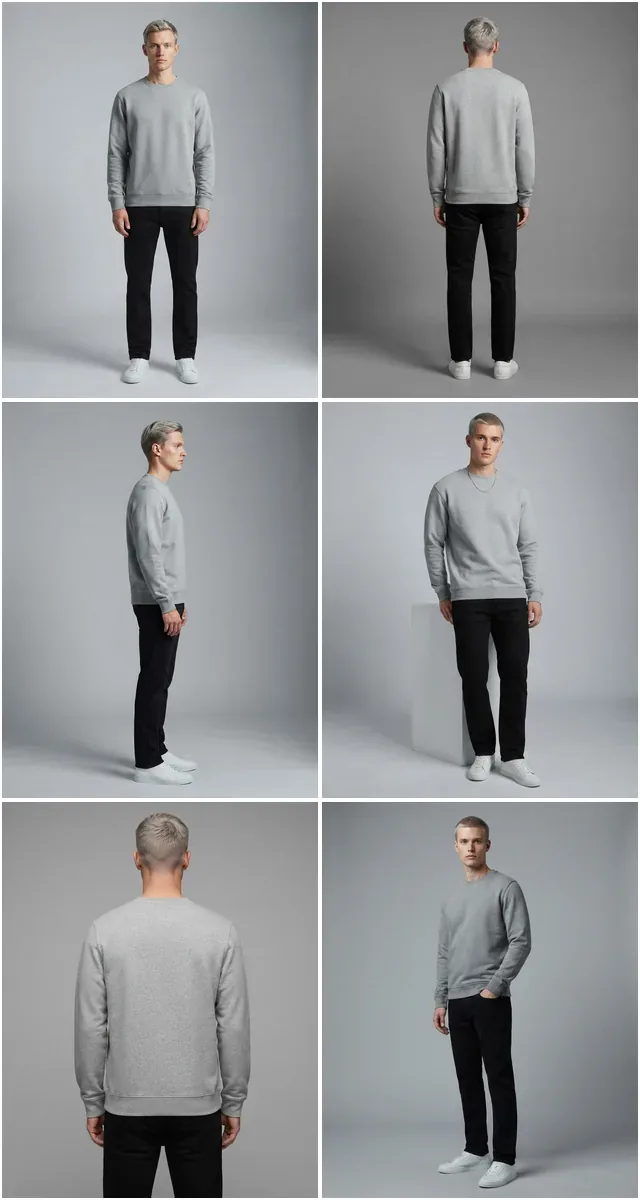
Why Product Descriptions Matter More Than Most Fashion Brands Think
87% of consumers say accurate, rich and complete product content is very important to their buying decision, according to 1WorldSync research reported by Retail TouchPoints — yet most fashion brands invest heavily in photography while neglecting copy.
Every fashion e-commerce store obsesses over product photography. Few give the same attention to product descriptions. That imbalance is costing conversions. 87% of consumers say accurate, rich and complete product content is very important to their buying decision (1WorldSync via Retail TouchPoints) — and in fashion, where customers cannot touch fabric or try on garments, written copy carries even more of that weight.
A strong clothing description does three jobs simultaneously. First, it sells: translating a visual product into tangible benefits the customer can feel before buying. Second, it ranks: giving search engines the keyword-rich, unique content they need to surface your product pages. Third, it reduces returns: setting accurate expectations about fit, fabric, and care so customers know exactly what they are getting.
- Sell — Translate visual products into tangible benefits customers can feel before buying
- Rank — Give search engines keyword-rich, unique content to surface your product pages
- Reduce returns — Set accurate expectations about fit, fabric, and care
The problem is scale. A fashion brand with 500 SKUs needs 500 unique, compelling, SEO-optimized descriptions. Writing those manually takes weeks. Copying a generic template across products creates duplicate content penalties and fails to differentiate items. This is exactly the gap that AI clothing description generators fill — producing unique, high-quality product copy at scale without sacrificing quality or brand voice.
A fashion brand with 500 SKUs needs 500 unique, compelling, SEO-optimized descriptions. AI clothing description generators fill this gap — producing high-quality product copy at scale without sacrificing brand voice.
What Makes a Great Clothing Description: The Core Formula
Before using any AI tool, you need to understand what a great clothing description contains. The most effective fashion product descriptions follow a consistent formula: Fabric + Fit + Occasion + Care. This framework ensures every description answers the four questions customers ask before buying clothing online.
Every effective clothing description answers four customer questions: What is it made of? How does it wear? Where do I wear it? How do I maintain it? Use this framework as your checklist for every product page.
Fabric: What Is It Made Of?
Fabric is the first thing a customer would touch in a physical store. Your description needs to replace that tactile experience with words. Go beyond stating "100% cotton" — describe how the fabric feels. Is it a brushed cotton that feels soft against the skin? A crisp poplin with structure? A lightweight linen that breathes in heat? Sensory language transforms a spec sheet into an experience.
Fit: How Does It Wear?
Fit descriptions prevent returns. Specify whether the garment runs true to size, relaxed, or fitted. Reference body types and styling preferences. "Relaxed through the body with a slightly cropped hem that sits at the natural waist" tells a customer far more than "regular fit." Include measurements where possible — inseam length, shoulder width, rise height — and always mention whether the fabric has stretch.
Occasion: Where Do I Wear It?
Context drives purchase confidence. A customer who sees "perfect for weekend brunches, farmers market mornings, or casual office Fridays" can immediately picture themselves wearing the item. Occasion framing also opens keyword opportunities — "work blouse," "date night dress," "athleisure jogger" — that capture high-intent search traffic.
Care: How Do I Maintain It?
Care instructions reduce post-purchase anxiety and returns. A simple line — "Machine wash cold, tumble dry low, minimal ironing needed" — reassures customers that the garment fits their lifestyle. For delicate fabrics, frame care positively: "Hand wash to preserve the silk's natural luster" sounds better than a list of restrictions.
How AI Clothing Description Generators Work
An AI clothing description generator uses natural language processing trained on millions of product descriptions, fashion editorials, and e-commerce copy to produce original product descriptions from structured inputs. The process typically works in three stages.
Stage 1: Input Collection
You provide the AI with product details: garment type, fabric composition, color, fit, key features, target customer, and brand voice preferences. More advanced tools — including ai image description generators — can extract many of these details directly from product photographs, identifying garment type, color, pattern, and visual details automatically.
Stage 2: Content Generation
The AI processes your inputs against its training data to produce a complete product description. It applies copywriting principles — benefit-driven language, sensory adjectives, scannable structure — while naturally integrating your specified keywords. Modern fashion-trained models understand garment-specific terminology, fabric properties, and styling conventions that general-purpose AI tools often miss.
Stage 3: Optimization and Formatting
The generated description is structured for e-commerce: a compelling opening line, organized feature bullets, a persuasive body paragraph, and properly formatted specifications. Many generators also produce meta descriptions, title tags, and alt text for the associated product image — giving you a complete SEO package for each product page.
See AI Product Descriptions in Action
Upload a product image and get professional descriptions, on-model photography, and SEO metadata — all from a single photo.
Start creating →Best Practices for AI-Generated Fashion Copy
AI produces excellent raw material. Applying these best practices turns that raw material into copy that genuinely converts.
- Define brand voice first — Document tone, adjectives, and vocabulary before generating a single description
- Use sensory language — Bridge the tactile gap with phrases like "buttery-soft leather" and "crisp cotton poplin"
- Integrate keywords naturally — Provide primary + 2–3 secondary keywords; edit any awkward placements
- Write for scanners — Lead with benefits, use bullets, keep paragraphs to 2–3 sentences
- Always review and edit — Treat AI output as a high-quality first draft, not a final product
Define Your Brand Voice First
The single biggest mistake brands make with AI-generated descriptions is skipping brand voice configuration. A luxury silk blouse brand and a streetwear hoodie brand should not sound the same. Before generating a single description, document your brand voice: the adjectives you use, the tone you strike, the vocabulary you avoid. Feed this to the AI as a style guide. The difference between generic AI copy and branded AI copy is entirely in this step.
Use Sensory Language Strategically
Fashion is a sensory category. Customers cannot touch, feel, or try on products online. Your descriptions need to bridge that gap with words that activate the senses. "Buttery-soft leather," "crisp cotton poplin," "cloud-light cashmere" — these phrases create a mental experience of the product. AI tools can be prompted to prioritize sensory language, but review the output to ensure sensory words are accurate to the actual product.
Integrate Keywords Naturally
AI excels at keyword integration when given clear targets. Provide your primary keyword (e.g., "linen midi dress") and 2–3 secondary keywords (e.g., "summer dress," "vacation outfit," "breathable dress"). The AI will place these naturally throughout the description. The key word is "naturally" — if a keyword placement reads awkwardly, edit it. Search engines are sophisticated enough to penalize forced keyword insertion, and customers will notice it too.
Write for Scanners, Not Readers
Online shoppers scan product pages in an F-pattern: they read the first line, skim the bullets, and jump to the bottom. Structure your AI-generated descriptions accordingly. Lead with the most compelling benefit. Use bullet points for features and specs. Keep paragraphs to 2–3 sentences. Bold the key details. A well-structured 200-word description outperforms a dense 400-word paragraph every time.
Always Review and Edit
AI-generated copy should be treated as a high-quality first draft, not a final product. Review every description for accuracy (does the fabric description match the actual fabric?), brand voice consistency (does this sound like your brand?), and factual claims (do not let AI invent features your product does not have). A 2-minute human review per description is a small investment for copy that will be read by thousands of customers.
Templates for Different Clothing Types
Different garment categories require different description emphases. Here are proven templates optimized for the most common fashion product types.
Dresses
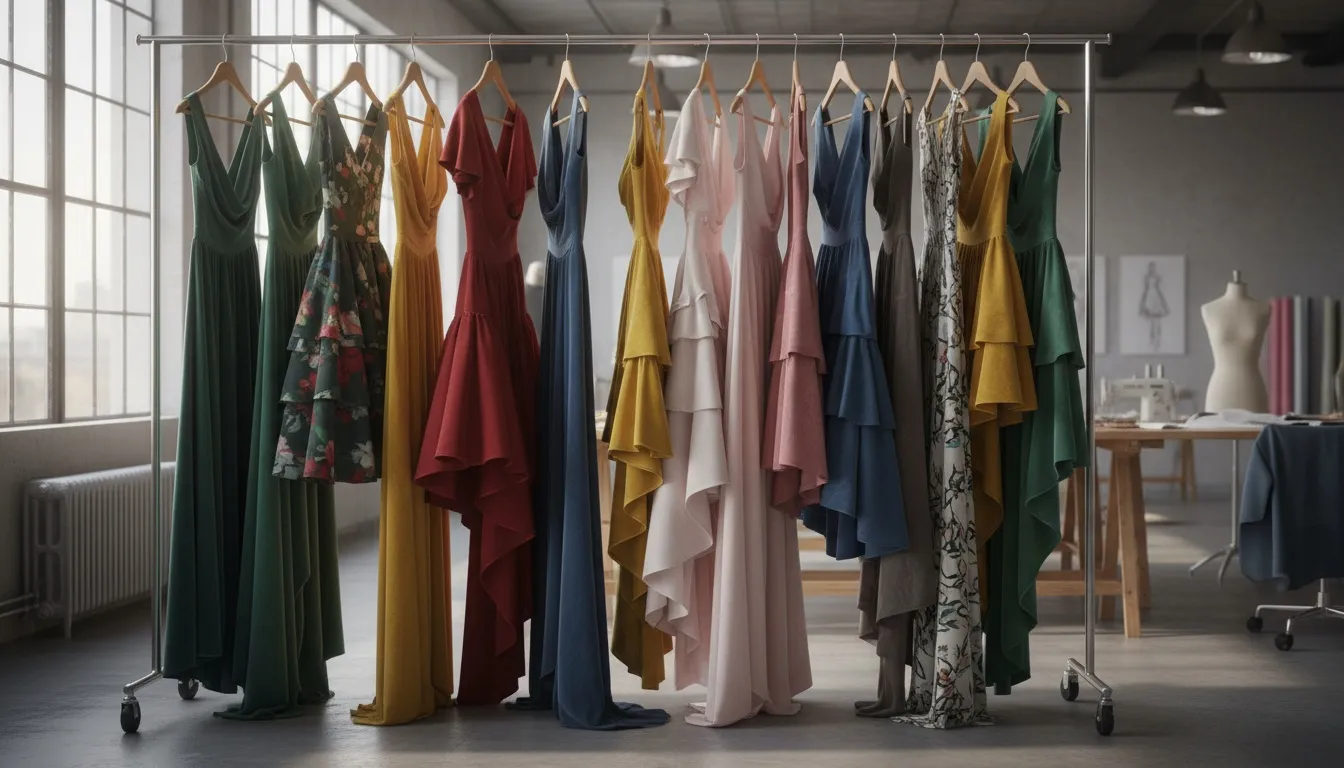
Lead with the silhouette and occasion. Dresses are the most occasion-driven category in fashion — customers search for "wedding guest dress," "office dress," or "casual summer dress." Your description should immediately confirm they have found what they are looking for.
Template structure: [Silhouette] + [Fabric feel] + [Key design detail] + [Occasion fit] + [Styling suggestion] + [Fit note] + [Care]
Example: "This A-line midi dress in flowing crepe fabric features a subtle wrap front and flutter sleeves that move beautifully. Perfect for garden parties, outdoor weddings, or dinner dates where you want to look effortlessly polished. The elasticated back waist fits true to size with comfortable give. Pair with strappy heels and a clutch for evening, or dress down with white sneakers and a denim jacket. Machine washable — hang to dry to preserve the drape."
Tops and Blouses
Focus on versatility. Tops are the most frequently purchased category, and customers want pieces that work across multiple outfits. Emphasize how the top pairs with different bottoms and transitions between settings.
Template structure: [Fabric + feel] + [Fit description] + [Standout detail] + [Versatility / styling options] + [Size note] + [Care]
Example: "Crafted from a breathable cotton-modal blend that stays soft wash after wash, this relaxed-fit button-down features a slightly oversized silhouette with a curved hem. The subtle tonal stripe adds texture without competing with your accessories. Tuck into high-waisted trousers for the office, knot at the waist with jeans for weekend errands, or layer open over a tank for coastal evenings. Runs true to size — size up one for an extra-relaxed fit. Machine wash cold, tumble dry low."
Pants and Trousers
Fit and measurement details matter most here. Pants have the highest return rate in fashion e-commerce, almost entirely because of fit issues. Be specific about rise, leg shape, and stretch.
Template structure: [Fit + rise + leg shape] + [Fabric + stretch info] + [Waist detail] + [Occasion versatility] + [Measurements] + [Care]
Example: "High-waisted wide-leg trousers in a structured twill with just enough stretch (2% elastane) to move with you all day. The flat front and hidden side zip create a clean line from waist to hem, while the full-length wide leg balances proportions beautifully. Equally at home in the boardroom with pointed-toe pumps or at Saturday brunch with loafers and a tucked-in tee. 12-inch rise, 32-inch inseam (adjustable with a clean hem). Dry clean or machine wash gentle cycle."
Outerwear
Lead with function and construction quality. Outerwear is a higher-investment purchase, so customers want to know about warmth, weather resistance, and build quality before they commit.
Template structure: [Purpose + weather suitability] + [Construction + materials] + [Functional details] + [Fit over layers] + [Styling] + [Care]
Example: "Built for crisp autumn days and unpredictable spring weather, this wool-blend overcoat features a double-breasted front with genuine horn buttons and a fully lined interior in smooth cupro. The mid-thigh length and notched lapels give it a timeless silhouette that works over everything from suits to hoodies. Two deep front pockets, one interior zip pocket. Cut with room for a light sweater underneath — take your regular size. Dry clean recommended to maintain the wool's structure."
Accessories
Focus on craftsmanship and the finishing-touch factor. Accessories are impulse-adjacent purchases — your description should make the customer feel that this piece completes their wardrobe.
Template structure: [Material + craft] + [Dimensions + practical details] + [Styling versatility] + [Gift appeal if relevant] + [Care]
Example: "Hand-stitched from vegetable-tanned Italian leather that develops a rich patina with wear, this slim bifold wallet holds 6 cards, folded bills, and a hidden interior pocket for receipts. At just 10mm thin, it slips into front or back pockets without bulk. The warm cognac tone pairs naturally with both casual and dressed-up looks. Ships in a branded gift box — ready to give or keep. Wipe with a dry cloth; condition annually with leather balm."
Combining AI Product Descriptions with AI Product Photography
Product pages with aligned AI-generated photography and descriptions can be produced in under 15 minutes per SKU — traditional methods take days and involve a photographer, stylist, model, copywriter, and SEO specialist.
The most powerful application of AI in fashion e-commerce is not descriptions or photography in isolation — it is both working together. When your product copy and product visuals are generated from the same source data, the result is a product page with perfect alignment between what the customer sees and what they read.
The Integrated Workflow
Here is how the most efficient fashion brands are producing complete product pages with AI:
- Photograph the product once. A single flat lay or mannequin shot on a clean background. This is your source image for everything that follows.
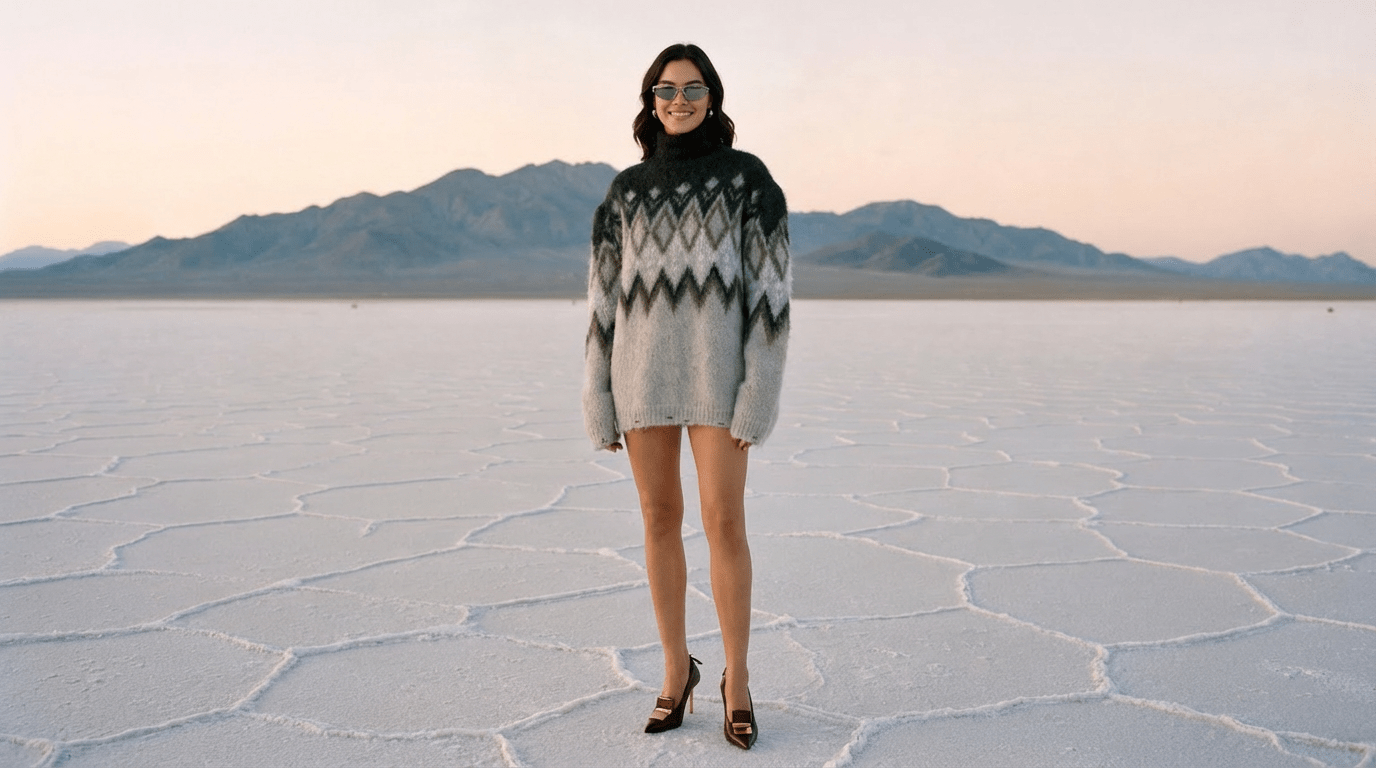
- Generate on-model photography. Upload the product image to Fashio AI's AI Fashion Model Generator to create photorealistic on-model shots — multiple poses, diverse models, various backgrounds — all from that single source image. For complete editorial campaigns, the AI Fashion Studio handles model generation, scene staging, and pose variations together.
- Remove and replace backgrounds. Use Background Remover to create clean cutout versions for marketplace listings, or swap in lifestyle backgrounds for social media and ads.
- Create flat lay catalog shots. Use the Flat Lay to Catalog Creator to transform your original flat lay into polished, standardized catalog images with consistent styling.
- Generate the product description. Using the same product details that informed your photography — fabric, fit, features, target customer — feed these into your clothing description generator to produce copy that matches the visual story.
- Publish the complete product page. Upload the AI-generated images and AI-written description together. Because both were created from the same product data, the page feels cohesive and professional.
This workflow lets a single person produce a complete, professional product page — photography, copy, and SEO metadata — in under 15 minutes per SKU. Traditional methods require a photographer, stylist, model, copywriter, and SEO specialist, and take days per product.
Why Alignment Matters
When your description says "relaxed oversized fit" but the model image shows a slim-fit silhouette, customers lose trust. When your copy mentions "rich burgundy" but the photo looks more like maroon, returns increase. The advantage of an AI-driven workflow is consistency: the same product data drives both the visual and the written output, eliminating the mismatches that erode customer confidence.
SEO Optimization for Fashion Product Pages
A well-written product description is only valuable if customers can find it. Fashion product page SEO has specific requirements that differ from general content SEO.
Unique Descriptions for Every Product
This is non-negotiable. Duplicate or near-duplicate product descriptions across similar items (the same dress in different colors, for example) create duplicate content issues that suppress your pages in search results. An AI product description generator fashion tool solves this at scale — generating meaningfully unique copy for every variant, every color, every size grouping.
Target Long-Tail Keywords
Generic keywords like "black dress" are nearly impossible to rank for. Long-tail keywords like "black midi wrap dress for work" or "cotton linen blend casual pants men" have lower competition and higher purchase intent. AI description generators can naturally weave these longer phrases into product copy without the awkwardness of manual keyword stuffing.
Optimize Beyond the Description
Your product description is one element of the page. For full SEO impact, also optimize:
- Title tag: Include the primary keyword and brand name. Keep under 60 characters.
- Meta description: Summarize the product's key benefit in 150–160 characters. Include a call to action.
- Image alt text: Describe the product in the image with keywords. "Women's navy linen midi dress — front view" beats "IMG_4582.jpg."
- URL slug: Clean, keyword-rich slugs. "/womens-navy-linen-midi-dress" outperforms "/product-id-48291."
- Schema markup: Add Product schema with price, availability, reviews, and brand to enable rich snippets in search results.
Structured Data for Fashion Products
Implement Product schema on every product page. This enables Google to display rich results — price, availability, review stars, and images directly in search results. A rich result occupies more of the page and answers price and availability before the click, which is why it tends to draw more traffic than a plain blue link. Your ai image description tool can generate the structured data fields alongside the product copy, saving additional manual work.
Before publishing, verify: unique description (no duplicates), primary keyword in title tag, meta description under 160 characters with CTA, descriptive image alt text, clean URL slug, and Product schema markup with price and availability.
Getting Started: Your First 50 AI-Generated Descriptions
The best way to adopt AI clothing descriptions is with a focused pilot. Pick 50 products — ideally your best sellers or highest-traffic pages — and run them through this process:
- Audit your current descriptions. Score them on the Fabric + Fit + Occasion + Care framework. Most brands find their existing copy covers only 1–2 of these elements.
- Set up your brand voice profile. Document tone, vocabulary preferences, words to avoid, and 5–10 example descriptions that represent your ideal voice.
- Generate AI descriptions. Input your product details and brand voice into your chosen clothing description generator. Generate descriptions for all 50 products.
- Review and refine. Spend 2–3 minutes per description checking accuracy, voice, and keyword placement. Edit as needed.
- A/B test against originals. Run the AI descriptions against your existing copy on a subset of products. Measure conversion rate, time on page, and return rate over 2–4 weeks.
- Scale what works. Once you have data confirming the AI descriptions perform, roll out across your full catalog.
Most brands see results within the first test cycle: higher conversion rates from more complete product information, improved organic traffic from unique and keyword-optimized copy, and lower return rates from more accurate product expectations.
Ready to Generate Product Descriptions at Scale?
Create compelling, SEO-optimized clothing descriptions for your entire catalog in minutes — not weeks.
Start creating →Frequently Asked Questions
What is a clothing description generator?
A clothing description generator is an AI-powered tool that automatically writes product copy for fashion items. You input details like garment type, fabric, fit, and style, and the AI produces a complete, ready-to-publish product description optimized for both customers and search engines. Advanced generators can also analyze product images to create descriptions directly from visuals.
Can AI write product descriptions that actually convert?
Yes. AI-generated product descriptions can match or exceed human-written copy in conversion performance when properly configured. The key is giving the AI the right inputs: brand voice guidelines, target audience details, key selling points, and SEO keywords. AI excels at consistently applying proven copywriting formulas — like the fabric-fit-occasion-care framework — across hundreds of SKUs without quality degradation.
How do I make AI clothing descriptions sound like my brand?
Feed the AI examples of your existing best-performing descriptions as style references. Define your brand voice attributes — whether that is casual and playful, luxurious and aspirational, or minimal and direct. Include specific vocabulary preferences and words to avoid. Most AI description generators allow you to set a brand voice profile that gets applied consistently across all generated copy.
Are AI-generated product descriptions good for SEO?
AI-generated descriptions are excellent for SEO when you provide target keywords and follow optimization best practices. AI can naturally integrate primary and secondary keywords, write unique descriptions for every product (avoiding duplicate content penalties), and structure copy with scannable formatting that search engines favor. The critical step is reviewing AI output to ensure keyword placement feels natural rather than forced.
How long should a clothing product description be?
The ideal length for a clothing product description is 150–300 words. This gives you enough space to cover the essential details — fabric composition, fit, styling suggestions, and care instructions — while keeping the copy scannable. For high-value or complex items like outerwear or formal wear, 300–400 words can be justified. For basics like plain tees, 100–150 words is sufficient.
Can I use AI to write descriptions from product photos?
Yes. AI image description generators can analyze product photos and generate descriptions based on what they see — identifying garment type, color, pattern, fabric texture, and styling details. This is especially useful for large catalogs where manually describing every item is impractical. Tools like Fashio AI combine visual AI analysis with fashion-specific language models to produce accurate, detailed descriptions from images alone.
How do I combine AI product descriptions with AI product photography?
The most efficient workflow is to photograph your product once (flat lay or mannequin), then use AI for both the model imagery and the product copy. With Fashio AI, you upload a product image to generate on-model photography using the AI Fashion Model Generator, then use the same image and product details to generate matching descriptions. This creates a consistent product page where the visual and written content align perfectly — and you can produce both for hundreds of SKUs in a fraction of the time traditional methods require.