Swimwear Photography Has the Worst Production Math in Fashion — AI Fixes It
$200 vs $5K-$15K per shoot day Beach + pool + studio from one source All sizes, all markets, one workflow
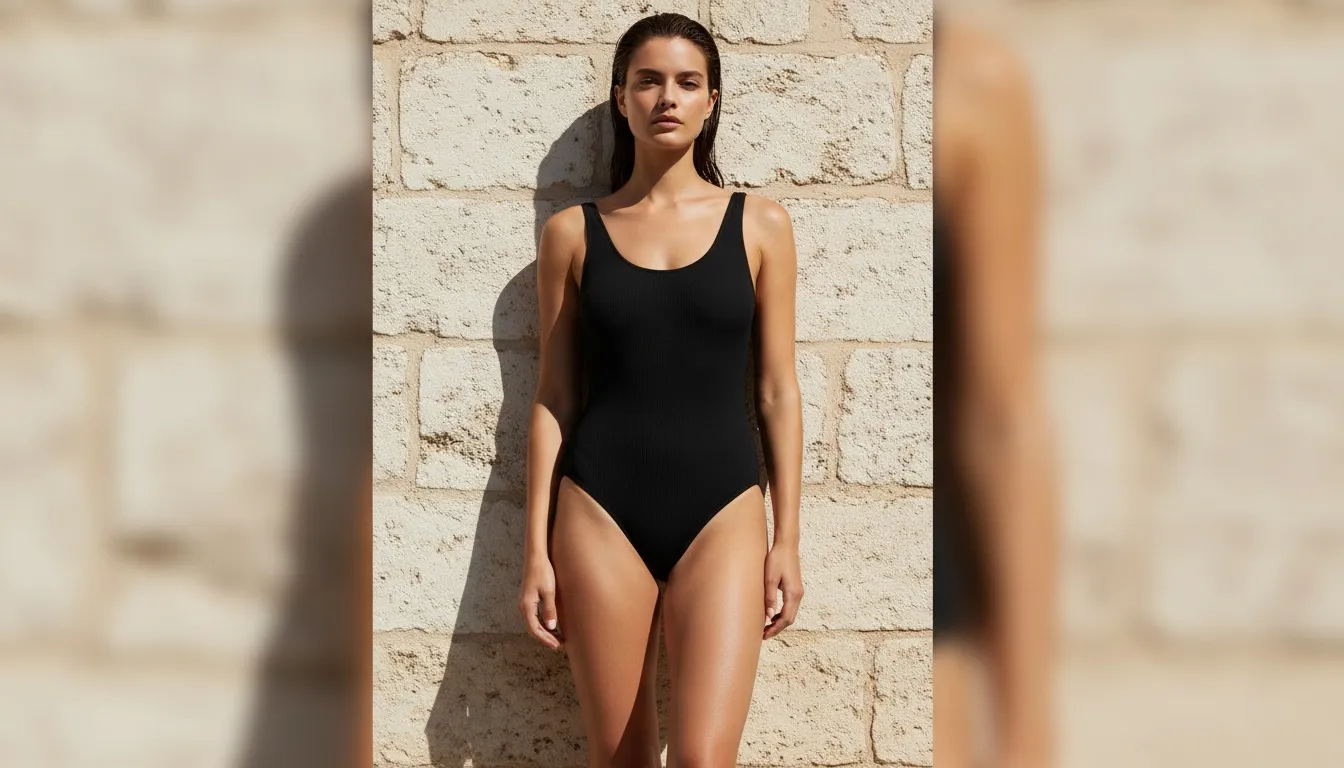
AI swimwear photography compresses tropical location shoots, golden-hour timing, and post-production retouching into a single workflow — preserving fabric accuracy, skin rendering, and body diversity that swimwear specifically demands. Same campaign polish, none of the location risk.
Swimwear has the worst production economics of any fashion category. The product cycle is brutally seasonal — drop in February, peak in May, dead by August. The shoot itself is location-dependent: you need a beach, a pool, or a convincing studio approximation of one. The lighting is uncooperative — golden hour lasts 30 minutes, midday sun blows out skin, overcast days kill the campaign feel. The models are restrictive — swimwear casting is its own market within fashion modeling. And every shot has to nail the fit through the bust, waist, and hip while preserving fabric color across reflective water and sand.
For decades, the only answer was to fly the team to a Caribbean or Mediterranean location, book three days, hope the weather held, and pay $15K-$50K for the resulting campaign. Smaller brands skipped this entirely and worked with stock imagery or studio-only setups that visibly underperformed on conversion.
AI swimwear photography changes every input in that equation. Fashion-trained AI now generates photorealistic swimwear imagery across studio, beach, pool, and tropical resort scenes — with body diversity that traditional casting can't match, modesty controls for conservative markets, and seasonal speed that lets brands refresh imagery weekly instead of annually. This guide covers exactly how swimwear brands are using AI in 2026: scene options, body diversity workflows, modesty controls, lighting handling, and the production math that's restructuring the entire category.
Why Swimwear Photography Is Specifically Difficult
Before getting into the AI workflow, it's worth being honest about what makes swimwear photography uniquely demanding. These aren't generic fashion problems — they're swimwear-specific:
- Location dependence is structural. Unlike a sweater or a denim line, swimwear has to be shown in context. Studio-only swimwear shoots convert measurably worse than beach or pool imagery.
- Seasonal windows are narrow. Northern hemisphere brands need campaign imagery ready by January-February for the spring sell-in. That means shooting in November-December — which means flying to a southern hemisphere location, paying off-season premiums for crew.
- Lighting is brutal. Beach lighting changes minute to minute. Golden hour is 20-40 minutes per day. Midday sun blows out skin and fabric color. Overcast skies kill the campaign mood.
- Casting is the narrowest in fashion. Swimwear modeling has its own market — body criteria, comfort with minimal coverage, photographic skin quality — that drastically restricts the talent pool.
- Body diversity is harder to commit to. Customers come in every size, but swimwear brands have historically cast a narrow range. Bringing in true size variety means multiple models, multiple shoot setups, multiple budgets.
- Modesty requirements vary by market. A bikini campaign that ships in California is illegal advertising in parts of the Middle East or Southeast Asia. Multi-market brands need different imagery for different regions.
- Fabric color shifts under tropical light. A coral one-piece reads as red on a beach at sunset, salmon under midday sun, and almost orange in shaded studio light. Color consistency is a constant fight.
The AI swimwear workflow addresses every one of these constraints structurally, not stylistically.
The Scenes AI Swimwear Photography Now Handles
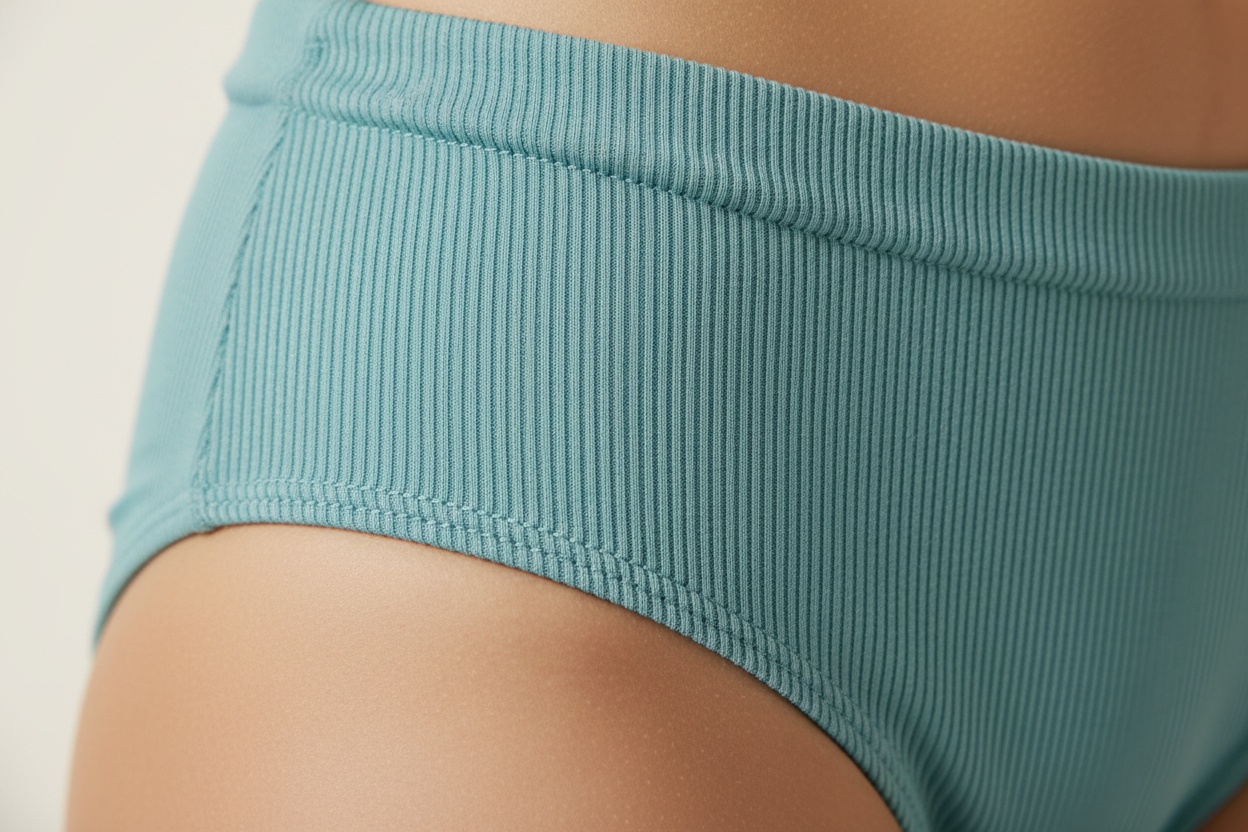
Swimwear lives in environments. The right AI workflow generates each scene from a single source image — no flights, no permits, no weather risk.
| Scene | When to Use | What AI Handles Well |
|---|---|---|
| Studio White / Ecommerce | Primary product imagery, marketplace listings | Clean fit detail, color accuracy, model focus |
| Beach Golden Hour | Campaign hero, social, paid ads | Warm light, soft skin tones, sand and ocean context |
| Beach Midday | Activewear-adjacent swim, surf, sport | Bright, energetic, sport-context campaigns |
| Pool Deck | Resort, luxury, leisure positioning | Tile patterns, water reflection, lounge context |
| Tropical Resort | Vacation, travel, lifestyle campaigns | Palm trees, cabana, tropical color palette |
| Urban Rooftop / Modern | Contemporary luxury, athleisure crossover | Architecture, city light, premium positioning |
| Editorial Backdrop | Magazine-style, art-directed campaigns | Color washes, abstract sets, fashion-forward context |
| Overwater / Bahamas-Style | Premium resort, luxury swim positioning | Crystal water, overwater bungalow, aspirational context |
The pattern: every scene that traditionally required a location shoot is now a backdrop decision in the AI workflow. Brands that previously could afford one location per campaign now run six.
Body Diversity — The Swimwear Win That Matters Most
If menswear's defining AI win is pose variety, swimwear's is body diversity. Traditional swimwear casting has been narrow for decades, and customers have noticed. Swimwear is the category where this matters most: a shopper who cannot find a body like theirs in the imagery has no way to judge how the piece will actually sit.
The AI workflow generates the full range from one source image:
| Body Type | Customer Base | Workflow Notes |
|---|---|---|
| Petite / XS-S | Smaller-frame customers, juniors swim | Use Body Editor for proportional adjustment |
| Standard / Athletic (S-M) | The historical default, still important | AI handles natively; pose variety more important here |
| Curvy (M-L) | Bust-forward fit, hourglass silhouettes | Specify bust and hip proportions in the prompt |
| Plus-Size (L-3XL) | Growing share of swimwear market | Fashion-trained AI renders plus-size accurately; generalist tools often don't |
| Mature / 40+ | Often underserved in swimwear imagery | Use the model generator to specify age range |
| Post-partum / Real-body | Brand voice with body-positive positioning | Available but should match the brand's authentic voice |
Body diversity in swimwear isn't a marketing add-on — it's a conversion driver. The customer who sees her body shape in your imagery buys; the one who doesn't, doesn't.
The structural advantage: a brand doesn't have to choose between body types or budget. The same one-piece can be rendered on six different body types in the same workflow session. The product page shows the customer the body she actually has, and conversion responds accordingly.
Modesty Controls for Global Markets
Swimwear is one of the few fashion categories where the same product image is appropriate in one market and illegal advertising in another. A standard bikini campaign that runs without modification in California, France, Brazil, or Australia cannot run as-is in much of the Middle East, parts of Southeast Asia, or culturally conservative markets in Latin America.
Brands selling globally have historically handled this with separate shoots, separate imagery, and significantly higher production budgets. The AI workflow handles it natively:
- Full-coverage editorial framing — same swimsuit, different framing crops that emphasize the design rather than the body
- Cover-up integration — the same model wearing the swimsuit with a kaftan, kimono, or beach cover-up for conservative-market imagery
- Pose adjustment — wading, sitting, walking poses that maintain modesty conventions without losing the swimwear's design appeal
- Background framing — beach hut, palm tree, pool deck framing that draws focus to environment rather than figure
- Garment styling — same swim line in higher-coverage variants (tankini, swim shirt, swim shorts) generated from the original source
The Middle East, North Africa, and Southeast Asia are substantial swimwear markets with modesty expectations that single-market campaign imagery simply does not meet. Brands that can ship market-appropriate imagery into these regions capture share that brands relying on one global campaign cannot. AI workflows make producing those variants almost free.
How AI Handles Swimwear's Lighting Problem
Swimwear lighting is genuinely one of fashion photography's hardest problems. Beach lighting changes minute to minute. Water reflects light unpredictably. Skin tone shifts under tropical sun. Fabric color reads differently in shade versus direct sun. A campaign day at a beach location often produces 6-8 usable images out of 200+ frames — the rest lost to lighting that didn't quite work.
The AI workflow renders consistent lighting by default. The lighting decisions are made in the prompt and applied uniformly across every output:
| Lighting Style | Use Case | Brand Mood |
|---|---|---|
| Golden Hour Beach | Hero campaign, social | Warm, aspirational, romantic |
| Bright Midday Beach | Sport, surf, activewear-swim | Energetic, performance-forward |
| Soft Overcast | Editorial, contemporary luxury | Sophisticated, fashion-forward |
| Studio Soft | Primary ecommerce | Clean, product-focused |
| Pool Reflection | Resort, luxury swim | Premium, leisurely |
| Tropical Sunset | Campaign hero, paid ads | Aspirational, vacation |
Apply the lighting decision once via AI Image Editing and it carries consistently across every image in the campaign. No 6-8 usable frames per day — every frame in the session is usable.
The Seasonal Speed Advantage
Swimwear's seasonal cycle is one of the worst in fashion. Northern hemisphere demand peaks May-July. Imagery has to ship to retailers by February. That means shooting in November-December — at a southern hemisphere location, in off-season conditions, at premium costs.
The AI workflow eliminates the calendar dependency. A brand can:
- Refresh imagery weekly through peak season as new SKUs land
- Test pose, scene, and body variant performance and iterate within the same week
- Run regional campaign variants in parallel — same product, different scenes for different markets
- Generate next-season imagery during this-season's selling window without flying anywhere
- Respond to color-of-the-summer trends within days, not next year's drop
This is the structural shift. Swimwear has historically been a once-a-year imagery cycle. AI makes it a continuous content stream.
The Swimwear AI Workflow — Step by Step
-
Define Your Brand Model Range
Start with the AI Fashion Model Generator and define your brand's model range — typically 4-6 archetypes spanning size, age, and ethnicity that match your customer base. Save each as a locked model. For swimwear specifically, don't default to one body type; the conversion advantage is in showing the customer her own body.
-
Prepare Swimwear Source Inputs
Capture each swim piece as a clean flat-lay or mannequin shot in even lighting. For multi-piece sets (bikini top + bottom), capture each piece separately and the styled set together. For cover-ups and accessories, capture in the same source session for workflow consistency.
-
Fit Each Piece to Your Locked Models
Run swim pieces through Virtual AI Fashion Try-On or Product to Model against your saved models. Run each piece across your full model range — same swimsuit on petite, standard, curvy, plus-size, and mature models — to build the body-diverse product page.
-
Apply Pose Variation
Use Pose Variation for swimwear-specific stances: standing on sand, wading at the waterline, seated pool edge, walking three-quarter, hand on hip, looking back over shoulder. Aim for 4-6 deliberate poses per look — not 1-2 — for editorial feel.
-
Apply Scene and Lighting
Use AI Image Editing to apply your scene decision (studio, beach golden hour, pool, tropical) and lighting style. Apply it consistently across the look set so the campaign reads as one cohesive shoot, not a mixed bag.
-
Generate Modesty Variants for Global Markets
For brands selling internationally, generate market-appropriate variants in the same workflow. Higher-coverage framing, cover-up integration, or styled poses for conservative markets — all from the same source garment.
-
Quality-Check Fit and Fabric Color
Before committing the output, verify fit through the bust and hip against the source garment, and confirm fabric color matches across lighting variants. Fashion-trained AI handles both by default, but quick visual review catches edge cases.
The single biggest missed opportunity in AI swimwear photography is using one model archetype across the whole catalog. Swimwear conversion is body-type-sensitive — the customer who doesn't see her body shape doesn't buy. Always render across at least 3-4 body types per product, even if the campaign hero is single-archetype.
How Swimwear Brands Are Actually Using AI in 2026
AI swimwear photography is replacing the long tail of imagery brands previously couldn't afford to produce:
| Use Case | Old Approach / Cost | AI Workflow |
|---|---|---|
| Hero Campaign Imagery | $15K-$50K tropical shoot | Generated in days from existing flat-lays |
| Primary Ecommerce / PDP | $5K studio day, 40-80 images | Hundreds of clean PDP images per session |
| Body-Diverse Imagery | Multiple models, multiple days | Every size from one source garment |
| Scene Variants | Skip or use one scene only | 6+ scenes per swim piece in one workflow |
| Conservative-Market Imagery | Separate shoot, separate budget | Modesty variants in the same session |
| Weekly Drop Imagery | Impossible economically | Refresh top sellers weekly through peak season |
| Paid Ad Variants | $500-$2K per creative round | 30+ variants per look for A/B testing |
| Social Reels / TikTok | Separate video shoot day | Animate stills with Photo to Video |
Brand Examples — What Strong Swimwear AI Workflows Look Like
While most swimwear brands don't publicly disclose AI workflows, the category pattern is clear. Direct-to-consumer swim brands at the Triangl / Frankies Bikinis / Hunza G tier use AI for the long tail of ecommerce imagery and seasonal social content while reserving traditional shoots for the once-a-year hero campaign. Resort wear brands use AI for every PDP image and run traditional shoots only for property partnerships and influencer collaborations. Plus-size and inclusive swim brands use AI specifically to solve the casting problem — generating the full size range from one workflow rather than booking multiple models per shoot.
The structural insight matches menswear and other fashion categories: high-volume catalog and ecommerce imagery is now an AI category. Brand-defining hero campaigns are still traditional. Roughly 80/20 split is becoming the norm.
Fashio AI Tools for Swimwear Workflows
- AI Fashion Model Generator — generate and lock a brand-appropriate model range
- Body Editor — fine-tune proportions for full body diversity
- Virtual AI Fashion Try-On — fit swim pieces accurately to each model
- Pose Variation — swimwear-specific pose library
- AI Image Editing — apply scene, lighting, and mood consistently
- Photo to Video — convert stills into Reels and TikTok content
Build Your First Swimwear Campaign Free
Lock in your model range, fit your swim pieces, vary the poses and scenes, ship beach-quality imagery without leaving the studio. All on a Fashio AI membership. No watermarks, full commercial rights.
Start Your Swimwear Workflow →Comparison: Traditional Swimwear Shoot vs. AI Workflow
- 3-4 day tropical location shoot
- $15K-$50K hero campaign cost
- Weather and lighting risk daily
- One body type per shoot in most cases
- One scene per location day
- Reshoots required for colorway variants
- Separate conservative-market shoots
- Once-a-year cycle, locked in November
- Same-day campaign production
- Priced per credit: $29.99/month for 160 credits — about $0.75 per generated image
- Consistent lighting by default
- Full body diversity from one source
- Multiple scenes per workflow session
- Colorway variants re-rendered in minutes
- Modesty variants in the same session
- Continuous refresh through peak season
Pricing Reality Check — Swimwear Campaign vs. AI
| Cost Bucket | Traditional Tropical Shoot | AI Swimwear Workflow |
|---|---|---|
| Location / Resort | $3,000-$8,000 | $0 (digital backdrop) |
| Travel + Lodging (crew) | $5,000-$15,000 | $0 (no travel) |
| Photographer | $2,000-$8,000 | $0 (AI workflow) |
| Model day rate (x size variants) | $2,500-$10,000 | $0 (multi-body from one source) |
| Hair / Makeup / Styling | $1,500-$3,000 | $0 (AI handles) |
| Permits / Insurance | $500-$2,000 | $0 |
| Post-production | $1,500-$4,000 | $0 (clean output by default) |
| Conservative-market reshoot | +$5,000-$15,000 | $0 (variants in same session) |
| Platform subscription | n/a | $0-$199/month |
| Total per campaign | $16,000-$65,000 | $0-$199 |
The structural math: even the entry-level swimwear AI workflow undercuts the cheapest traditional tropical campaign by 99%+. For brands that previously could afford one campaign per year, the same budget now buys continuous imagery across the entire season.
From Stills to Social Video — The Swimwear Multiplier
Swimwear is one of the strongest video performance categories on Instagram and TikTok. The product naturally suits motion — water, walking, beach context — and short-form video drives swimwear conversion harder than almost any other category. Traditional shoots usually required a separate video shoot day. AI workflows produce both stills and motion from the same session:
- 9:16 vertical for Instagram Reels and TikTok hero content
- 1:1 square for in-feed product ads
- 16:9 horizontal for YouTube Shorts and pre-roll
- Subtle motion that suits swimwear's natural rhythm — walking on sand, wading at the waterline, hair-and-fabric breeze movement
Photo to Video animates the stills into format-ready clips. One AI swimwear session produces both the campaign and the social content — no separate video day, no separate budget.
Where AI Swimwear Still Hits Limits
For honesty: there are swimwear scenarios where traditional photography still wins:
- Brand-defining hero campaigns — the once-a-year "this is who we are" image still benefits from a real beach, a real photographer, and a real model.
- Editorial features in fashion press — some magazines still prefer or require traditional photography.
- Resort property partnerships — when the location is the partner, AI doesn't apply.
- Athlete or celebrity collaborations — the partner is the subject; AI doesn't replace them.
- BTS content — the "making of" the shoot can't be faked.
For everything else — and "everything else" is roughly 85% of what most swimwear brands actually publish — AI handles it.
Going Deeper — Related Reading
- AI Sportswear & Activewear Photography Guide — the activewear-specific workflow that overlaps with sport-swim
- AI Fashion Model Generator Guide — picking the right tool for body-diverse model generation
Key Takeaways
- AI swimwear photography produces beach, pool, studio, and tropical imagery from a single source garment
- Body diversity is the single highest-ROI use case — the customer who sees her body shape buys
- Modesty controls let one workflow ship global market variants in the same session
- Lighting consistency is solved by default — no more 6-8 usable frames per beach day
- Seasonal speed shifts from once-a-year to continuous content through peak season
- Costs move from a $15K-$50K hero-campaign budget to a per-image price — $29.99/month for 160 credits — about $0.75 per generated image at 4 credits per generation
- Most brands run hybrid: 80-85% AI for catalog and continuous content, 15-20% traditional for hero campaigns
- AI swim stills convert directly into Reels and TikTok — same workflow, double the output
Try the Full Swimwear Workflow on Fashio AI
16 fashion AI tools — model generator, body editor, try-on, pose variation, scene control, video — on one membership. Build your first beach campaign without leaving the studio.
Start creating →FAQ: AI Swimwear Photography
Can AI produce realistic swimwear and bikini product photos?
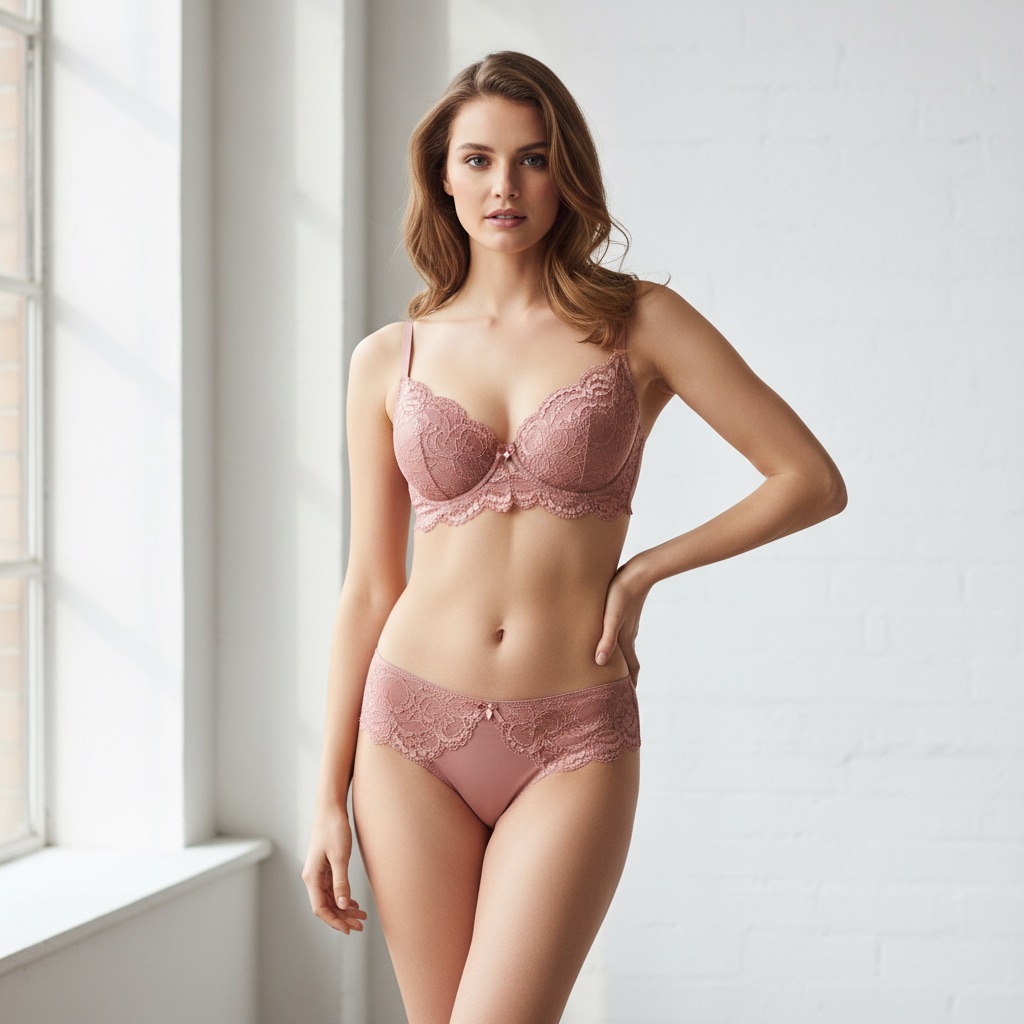
Yes. Fashion-trained AI like Fashio AI generates photorealistic swimwear imagery — bikinis, one-pieces, cover-ups — with accurate fabric structure, fit through the bust and hip, and natural skin rendering. Output matches studio quality for ecommerce, marketplace, and ad use.
What scene options does AI swimwear photography support?
AI swimwear workflows support studio white, beach golden hour, pool deck, tropical resort, urban rooftop, and editorial backdrop scenes. Brands can generate one swimsuit across multiple scenes from a single source image — same model, same fit, different campaign context.
Can AI generate diverse body types for swimwear photography?
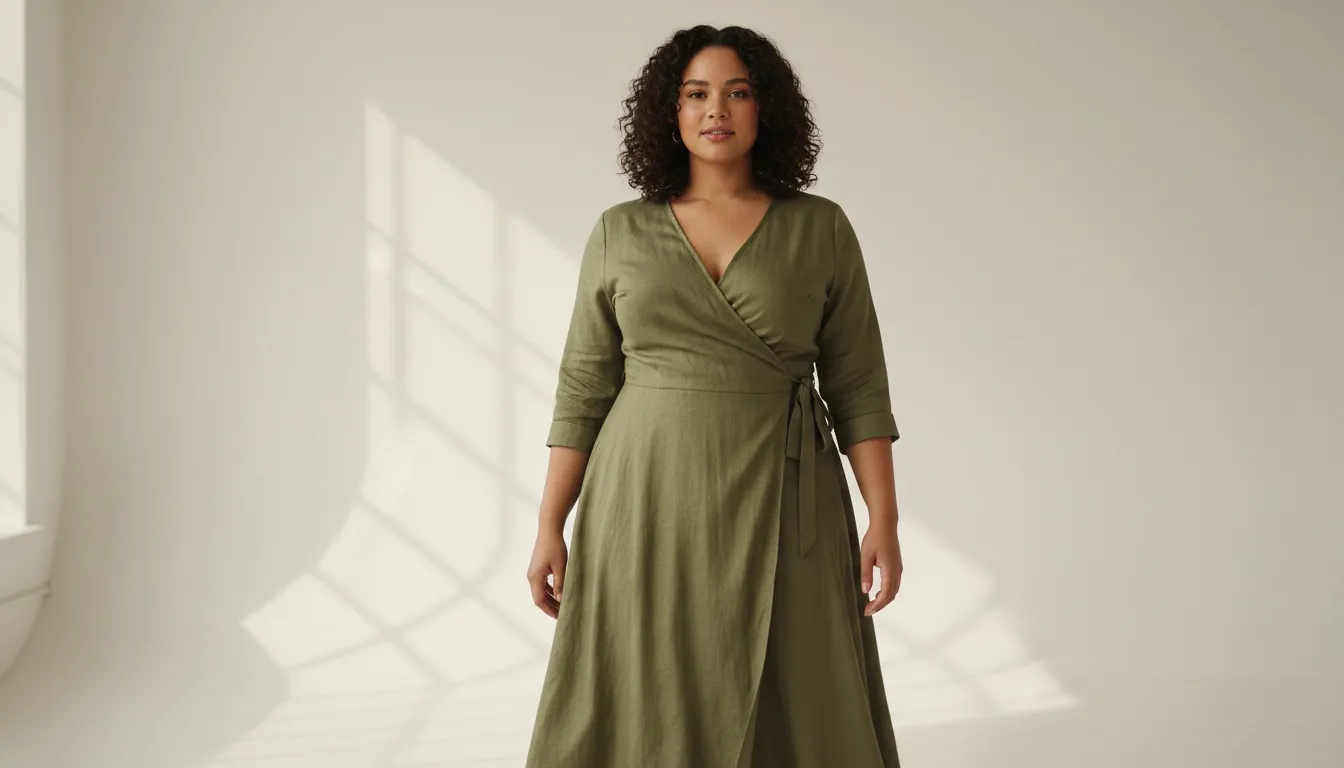
Yes. The Fashio AI model generator supports the full range of body types — petite, athletic, curvy, plus-size, and every size in between. Use the Body Editor to fine-tune proportions so the imagery reflects the actual customer base, which directly improves swimwear conversion rates.
Does AI swimwear photography support modesty controls for conservative markets?
Yes. AI workflows can render the same swimsuit in market-appropriate variants — full-coverage editorial framing for conservative markets, beach-ready for global ecommerce — by adjusting pose, framing, and styling without reshooting. This is critical for brands selling across multiple regions with different cultural norms.
How does AI handle lighting challenges in swimwear photography?
Swimwear lighting is uniquely difficult — golden-hour beach, wet skin, water reflection, harsh midday sun. Fashion-trained AI renders these lighting scenarios consistently, with even skin tones and accurate fabric color, which is much harder to achieve across a real beach shoot day.
How much does AI swimwear photography cost vs a traditional shoot?
A traditional swimwear shoot day costs $5,000-$15,000 (location, beach permits, photographer, model, makeup, post-production) and produces 40-80 final images. An AI swimwear workflow on Fashio AI is priced per credit instead — $29.99/month for 160 credits — about $0.75 per generated image at 4 credits per generation — and produces campaign-ready images across scenes and model variants.
Can AI swimwear stills be turned into Reels and TikTok video?
Yes. The Photo to Video tool animates swimwear stills into short-form video — natural beach movement, water motion, walking shots — optimized for Instagram Reels, TikTok, and YouTube Shorts. One AI swimwear session produces both the campaign stills and the social video content.