
Etsy AI Policy 2026-2027 in One Minute
1 unedited photo per listing AI edits allowed on the other photos Proactive enforcement: early 2027
On October 22, 2026 Etsy updated its AI rules. Most listings now need at least one unedited photo of the actual item against a real background. Every other photo may use AI for lighting, colour, cropping or a new background, but only if the item still looks like what the buyer receives. Bot-generated listings and AI-generated patterns, recipes and instructions are banned. AI art stays allowed with a clear creative role and disclosure. Etsy plans proactive enforcement in early 2027, but refund cases already apply today.
This page is a reference, not commentary. Every rule below is taken from Etsy's own pages: the Seller Handbook announcement Important updates to AI use on Etsy (October 22, 2026), the Listing Image Requirements policy in Etsy's House Rules (last updated November 5, 2026) and the Creativity Standards. Where something is only reported by third parties, or where Etsy has not said anything, we say so.
Last checked: 2026-11-15. Etsy calls these changes "our starting point, not the finish line", so check the source pages before you rebuild a catalogue around them.
What Changed in Etsy's AI Policy on October 22, 2026
Etsy framed the update around buyer trust. In its announcement it says many active buyers cannot tell which items involve AI-generated content, and that this has become a top-three barrier to shopping more often on Etsy. The update has three parts: clearer policy restrictions, stronger detection and enforcement, and new features in the listing flow.
| Area | What Etsy now says | Source |
|---|---|---|
| Listing photos | At least one unedited photo of the actual item against a real background, for most products | Seller Handbook, Listing Image Requirements |
| Other photos | AI and other editing tools allowed for lighting, colour, cropping, resizing and backgrounds, if the item is still accurately represented | Listing Image Requirements |
| Functional guides | AI-generated patterns, recipes and instructions are no longer allowed; listings must show a real result made from the instructions | Seller Handbook |
| Bot listings | Listings with no human involvement are not allowed, will be removed, and may lead to shop removal | Seller Handbook |
| AI art | Still allowed when the seller plays a clear creative role and discloses AI use; cannot be sold as handmade or entirely the seller's own creation | Seller Handbook FAQ, Creativity Standards |
| Refunds | If a buyer opens a case for an item materially different from the listing, and the listing does not meet the image rules, the seller may be responsible for the refund | Seller Handbook, Listing Image Requirements |
The listing image policy was revised again after the announcement. Value Added Resource, which tracked both versions, reports that a November revision began allowing cropping, resizing, watermarks and format changes on the unedited photo, as long as no AI tools are used. The current Etsy policy page carries a "last updated" date of November 5, 2026 and contains that wording.
Etsy's Unedited Photo Rule: What Counts
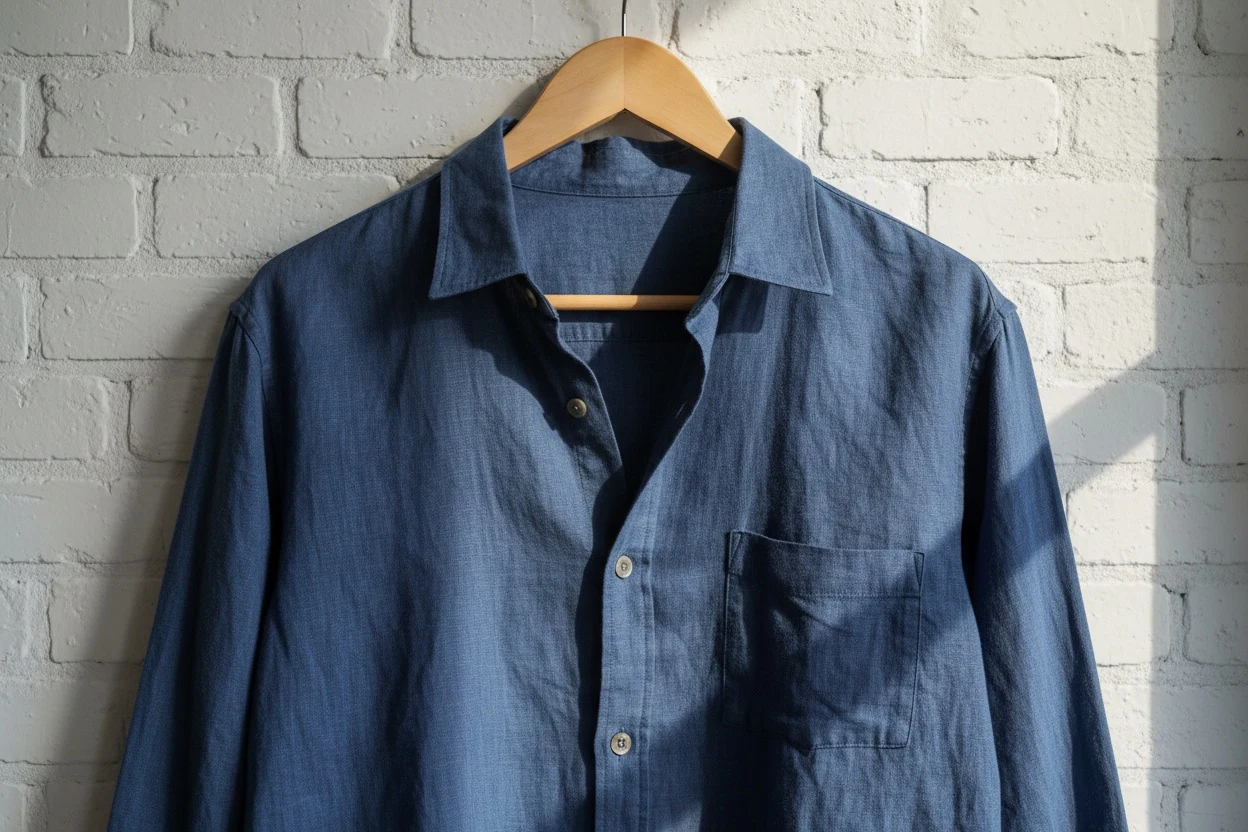
This is the rule most sellers will have to act on. Etsy's definition, from its FAQ: an unedited photo shows the actual item against a real background without changes to its appearance.
- Allowed on the unedited photo: cropping, resizing, adding a watermark, changing the file format. Etsy adds a warning: do these without AI-powered tools, or its systems may flag the photo as AI-edited.
- Not allowed on the unedited photo: lighting adjustments. Etsy explains that some editing tools use AI without making it obvious, and one completely unedited photo helps it spot misleading images. You can still adjust lighting on your other photos.
- One per listing: you need one unedited photo per listing, even if the listing has several variations.
- Position: it does not have to be the first image. Etsy's best-practice note is that the first image should still be the clearest, most realistic view of the item.
- Videos do not replace it. Etsy says videos can complement photos but don't replace the required unedited photo.
Etsy lists exceptions by product type. Print-on-demand sellers may use an authorised stock mockup of the base product. Customized and made-to-order items can use photos of real finished pieces made before. Digital downloads need a visual preview, and items with no visual element may use representative imagery, including AI images, if it doesn't mislead. Grid-based patterns such as cross-stitch may use a chart excerpt or stitch simulation.
Etsy AI Photo Editing: Allowed vs Prohibited
Outside the one unedited photo, Etsy's Listing Image Requirements set a single test: the final image must remain an accurate representation of the physical product. Etsy's own table, paraphrased:
| Allowed with AI or other tools | Prohibited |
|---|---|
| Adjusting lighting, exposure or colour balance to match real life | Changing the product's actual colour, texture or condition |
| Cropping, resizing or straightening the image | Removing or hiding defects, cracks or damage |
| Cleaning up or replacing the background, if the product is accurately represented | Using AI to change the core design or features of the item |
Etsy also prohibits images that "create false expectations" about what the buyer receives. Its published examples make the line concrete: an AI-edited image next to a real unedited photo is allowed; an AI-generated approximation that gets colour, texture or quality wrong is not.
Etsy AI Disclosure: When You Must Say AI Was Used
Two different things are easy to mix up here.
- Items created with AI (required). Etsy's Creativity Standards say sellers must disclose within the listing description if an item is created with the use of AI. That covers, for example, AI-generated art sold as a print. The October announcement repeats it: sellers must still disclose AI-created items and cannot present them as handmade or entirely their own creation.
- Listing photos edited with AI (recommended). For photos, disclosure is a best practice rather than a rule. Etsy suggests that if you use AI to edit any listing photos, you note this in the listing description, to give buyers context.
The Creativity Standards also say AI prompt bundles do not qualify as "designed by a seller".
Etsy AI Rules for Fashion Sellers Using AI Models
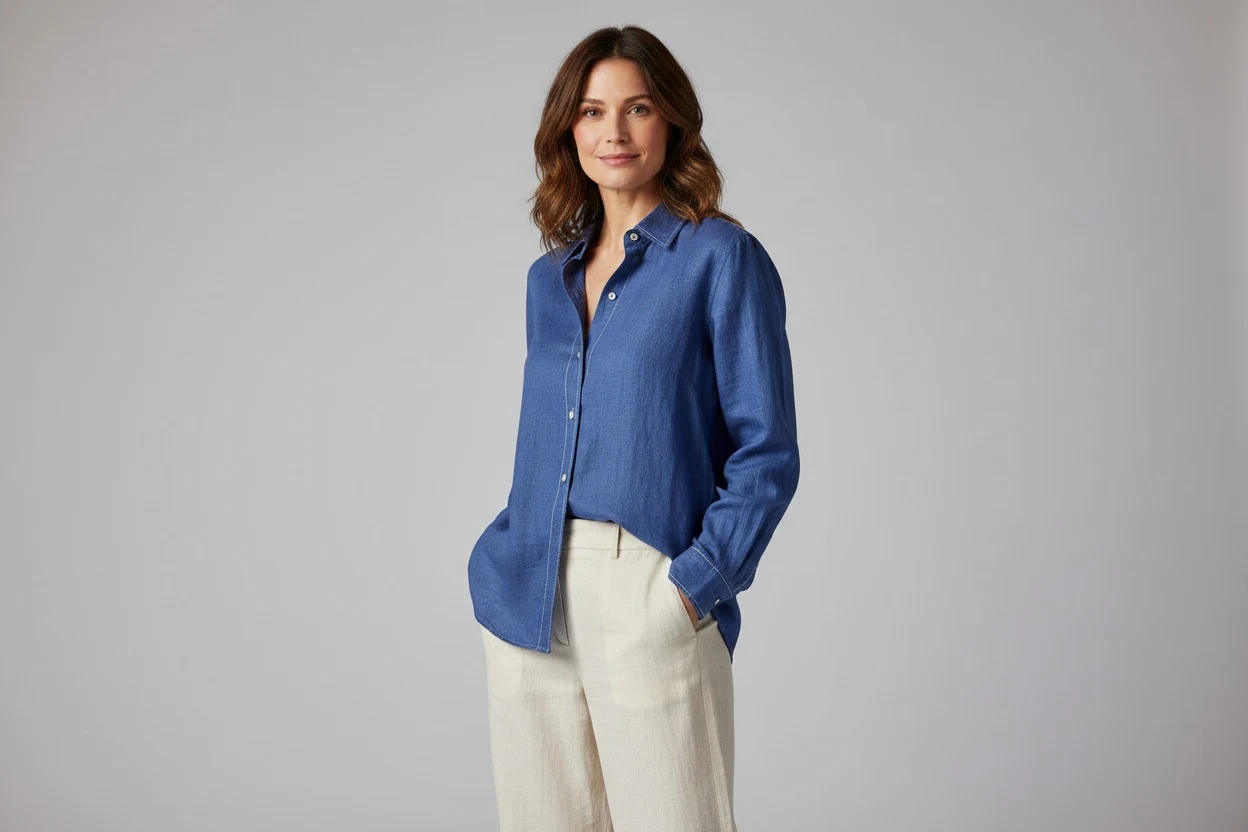
Etsy's policy does not mention AI fashion models, virtual try-on or on-model generation by name. So what follows is our reading of how the general rules apply to apparel and accessories, not Etsy wording.
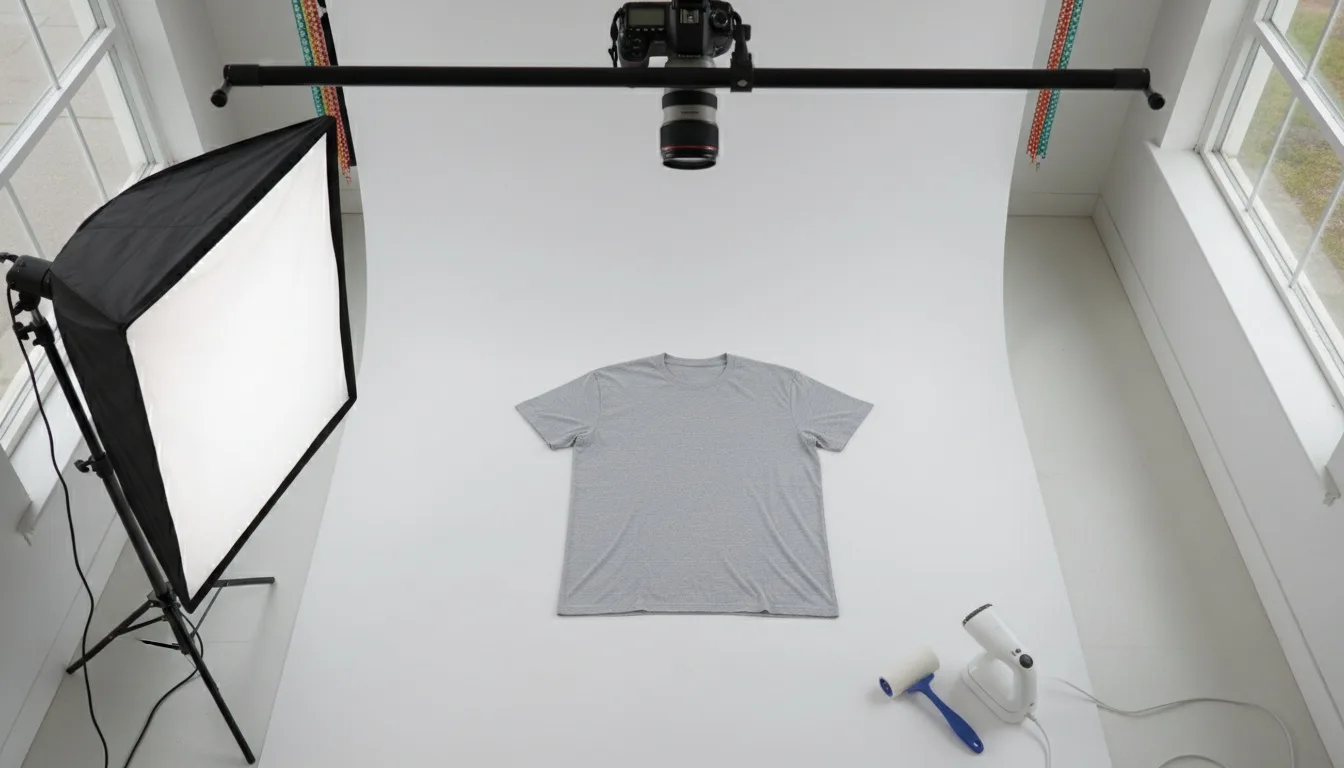
- The real photo comes first in your workflow. Shoot the actual garment against a real background and keep that file untouched. It is both your required unedited photo and the best input for any on-model image.
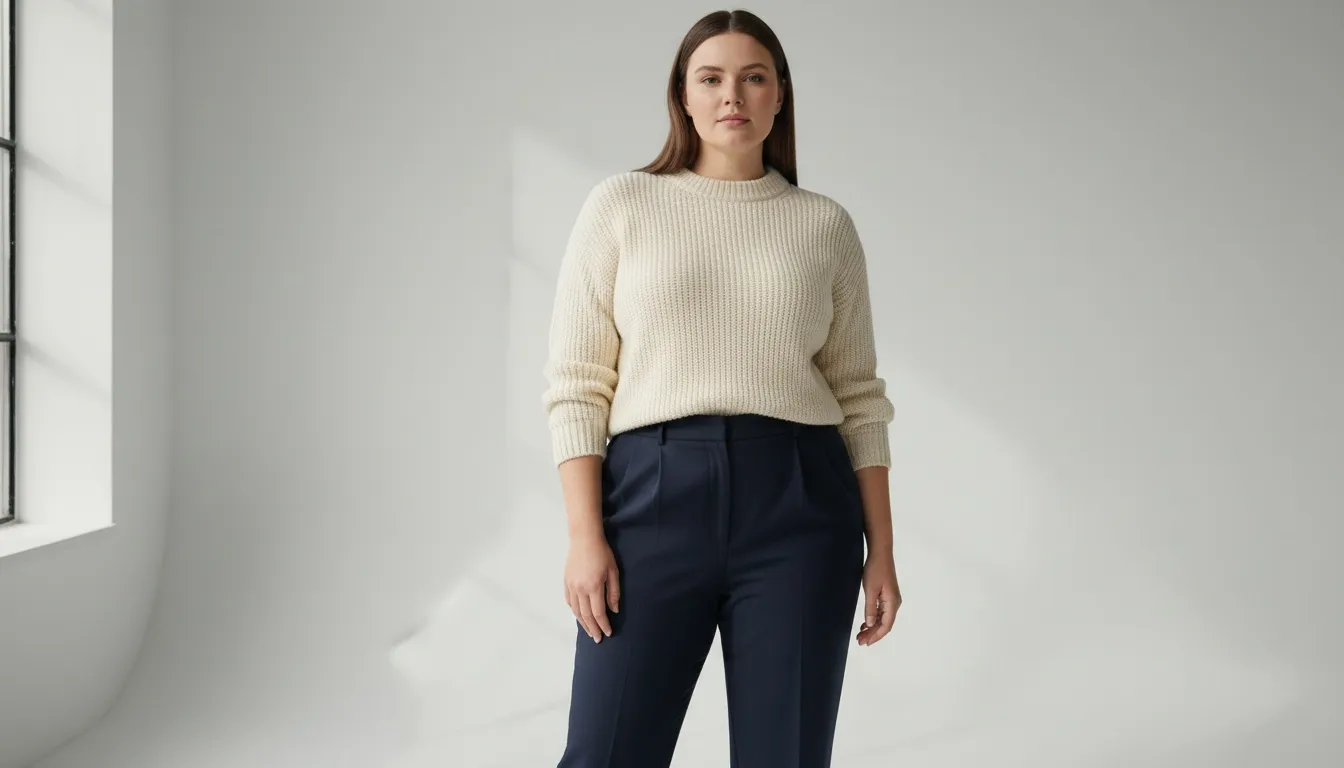
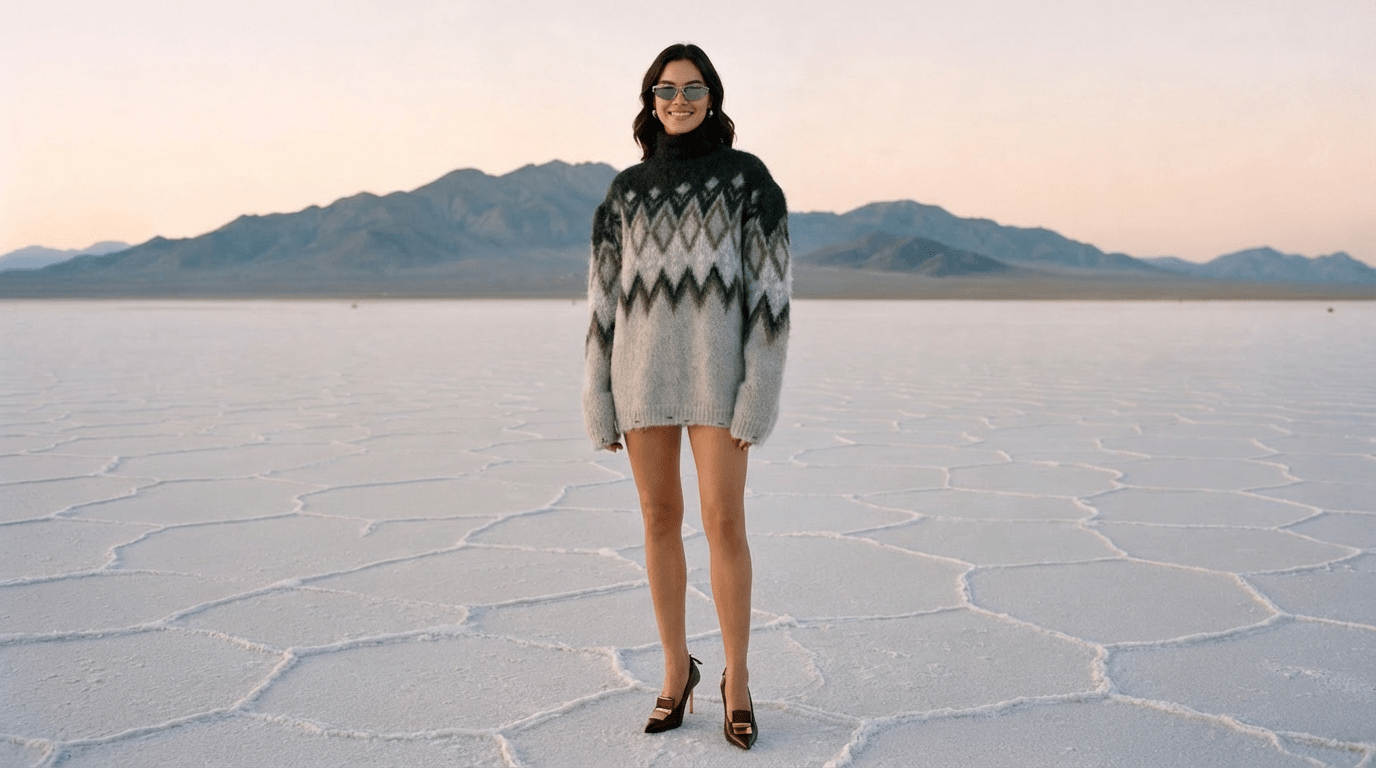
- On-model images go in the other slots. An AI image of the garment on a model is an edited or generated image, so it can be one of your additional photos, never your only proof of what the item looks like.
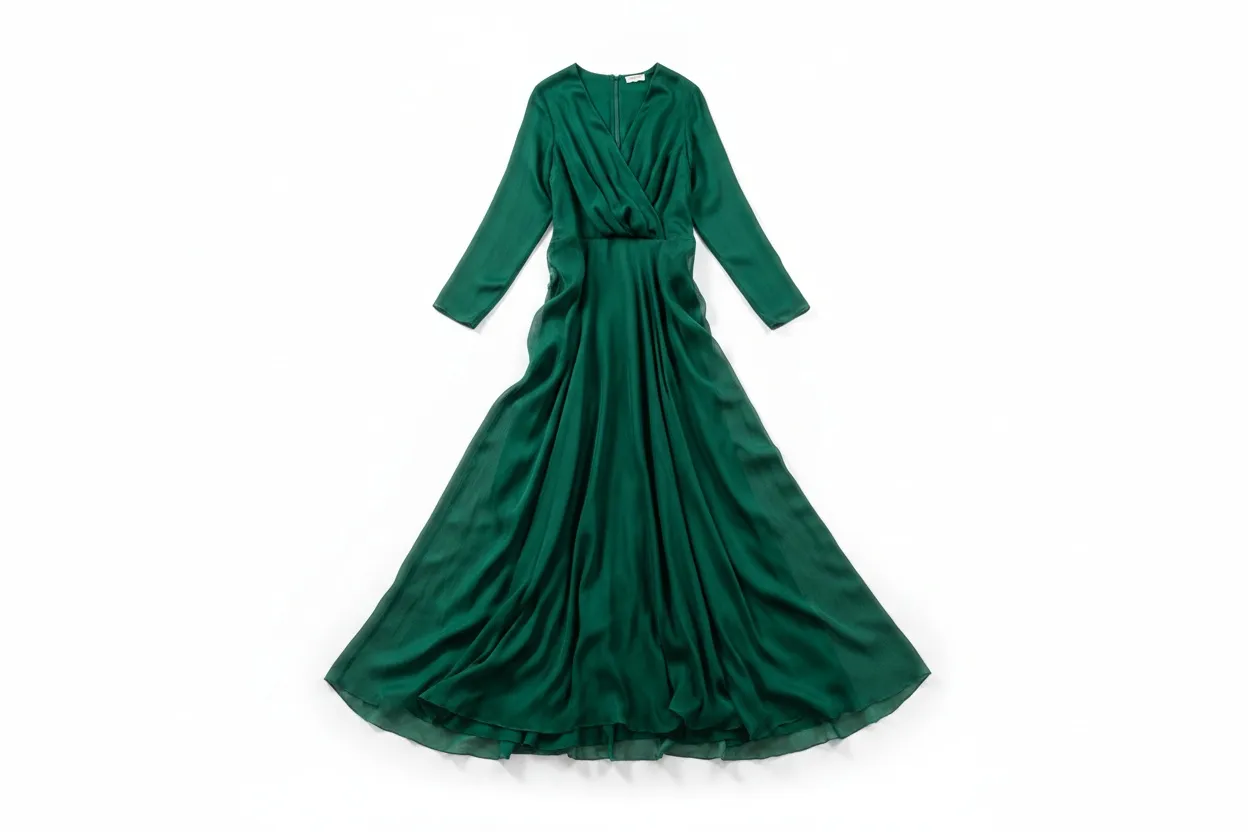
- Check the garment, not the model. Colour, print, fabric texture, stitching, buttons, pockets and length must match the real item. The figure above shows how easily a generated image can add contrast stitching or drop a pocket. That is the "core design or features" line in Etsy's table.
- Don't let the model change the fit story. If a garment is shown on a model, the size and drape should be plausible for that item. A "materially different" case is about what arrives, and fit is part of that.
- Consider a note in the description. Etsy's best practice is to say when listing images were edited with AI. For on-model images that is one short line.
If you produce on-model images from your real product photo, the guide to keeping AI fashion models realistic and consistent covers the accuracy checks in more detail, and flat lay to on-model covers the workflow from a garment photo.
Etsy AI Enforcement Timeline: Detection, Reports, Refunds
| Date | What happens |
|---|---|
| October 22, 2026 | Etsy publishes the AI update and the new Listing Image Requirements. Bot listings and AI-generated functional guides are no longer allowed. |
| November 5, 2026 | "Last updated" date on the current Listing Image Requirements page (crop, resize, watermark and format changes allowed on the unedited photo, without AI tools). |
| Now | Refund risk: if a buyer opens a case for a materially different item and the listing doesn't meet the image rules, the seller may be responsible for the refund. Misleading listings may be removed; repeated violations can lead to shop removal. |
| Now | The listing form shows guidance when Etsy detects AI-generated images in new uploads. Etsy says it will extend this to existing images over time. |
| Now | Buyers get a new "misleading AI imagery" reason when reporting a listing. Etsy says these reports won't result in immediate enforcement at first. |
| Early 2027 | Etsy plans to begin proactively enforcing the image requirements, with advance notice. |
If a listing is removed, Etsy says you can appeal through the Policy violations page in Shop Manager. Etsy has not published how its detection separates normal phone-camera processing from AI editing. Value Added Resource raised the same open question.
Beyond the Etsy AI Policy: California's Synthetic Performer Law
Etsy's FAQ points US sellers to a regulation that matters to anyone using AI models. Under California SB 1050, Etsy writes, listing images or videos may be considered advertisements and may require a clear disclosure if they prominently feature an AI-generated synthetic performer, meaning a generated figure that realistically appears to be a human performer but is not an identifiable real person. Etsy gives the effective date as January 1, 2027.
This is Etsy's summary of the law, not ours, and Etsy itself suggests consulting legal counsel about which laws apply to your listings. If your listing photos use AI models and may reach buyers in California, it is worth checking before that date.
This page summarises Etsy's published policies as of November 15, 2026. It is not legal advice. Etsy's own pages are the authority and they change.
Etsy AI Policy Checklist for Apparel Listings
- Every listing has one photo of the real item, on a real background, with no lighting or AI edits.
- That photo's crop, resize or watermark was done in a non-AI tool.
- Every edited or on-model image matches the real item's colour, texture, details and condition.
- No defects or damage have been hidden in any image.
- The first image is the clearest, most realistic view of the item.
- If any image was edited with AI, the description says so.
- If the item itself was created with AI, the description discloses it.
- If images feature an AI model and may reach California buyers, check the synthetic performer disclosure before January 1, 2027.
For pixel sizes and aspect ratios per marketplace, see the product image size guide for Amazon, eBay, Etsy and Shopify. For shooting the unedited photo itself, how to photograph clothes to sell covers light, angles and backgrounds.
Keep your real photo. Add on-model images that match it.
Fashio AI turns a photo of your actual garment into on-model images with a consistent model, background and lighting, and can replace the background or reframe for each channel. Your original photo stays your unedited one.
Start creating →Etsy AI Policy Sources (Last Checked 2026-11-15)
- Etsy Seller Handbook: Important updates to AI use on Etsy (October 22, 2026): the full announcement and FAQ, including the early-2027 enforcement plan and the California SB 1050 note.
- Etsy House Rules: Listing Image Requirements (last updated November 5, 2026): the unedited photo rule, allowed and prohibited edits, product-type exceptions.
- Etsy Creativity Standards: the AI disclosure requirement for items created with AI.
- Digital Commerce 360, "Etsy updates AI policy, noting concerns about buyer trust" (October 26, 2026): news coverage of the update.
- Value Added Resource, "Etsy Bans AI-Generated Patterns, Tightens Listing Photo Rules" (October 22, updated November 7, 2026): tracks the November revision of the photo rule.
Etsy AI Policy: Frequently Asked Questions
Does Etsy allow AI-generated product photos?
Yes, with limits. Since October 22, 2026, most listings must include at least one unedited photo of the actual item against a real background. Your other photos may use AI tools for lighting, colour, cropping or background changes, as long as the item still looks exactly like what the buyer will receive. An AI-generated approximation that changes the item's colour, texture or features is prohibited.
What counts as an unedited photo on Etsy?
A photo of the actual item against a real background with no changes to its appearance. Etsy allows cropping, resizing, adding a watermark or changing the file format, but only without AI-powered tools, otherwise its systems may flag the photo as AI-edited. Lighting adjustments are not allowed on this photo. One unedited photo per listing is enough and it does not have to be the first image.
Do I have to disclose AI use on Etsy?
If an item is created with the use of AI, Etsy's Creativity Standards require you to disclose that in the listing description. For AI-edited listing photos, Etsy recommends, as a best practice, noting in the description that images were edited.
When does Etsy start enforcing the new AI photo rules?
Etsy says it plans to begin proactively enforcing the updated image requirements in early 2027 and will give advance notice. Until then the refund risk already applies: if a buyer opens a case because the item is materially different from the listing and the listing does not meet the image requirements, you may be responsible for the refund.
Can I use AI fashion models in Etsy listing photos?
Etsy's policy does not name AI fashion models. The rules that apply are the general ones: keep at least one unedited photo of the real garment, and make sure any AI on-model image shows the garment's real colour, texture, details and condition. Etsy also points sellers to a California law taking effect January 1, 2027 that may require a disclosure when listing images prominently feature an AI-generated synthetic performer.
What AI listings are banned on Etsy?
Bot-generated listings with no human involvement, which Etsy removes and which may lead to shop removal, and AI-generated functional guides such as patterns, recipes and instructions. AI-generated art is still allowed when the seller plays a clear creative role and discloses AI use.